
Bridge Closures and Unplanned Detours in Bridgeport
A recent column for Only in Bridgeport details the logistical hurdles and unexpected community resources triggered by ongoing infrastructure work on the Stratford Avenue Bridge. The author describes a Saturday afternoon where a total closure of the bridge to both vehicular and pedestrian traffic forced a significant rerouting of travel across the Pequonnock River.
The closure is part of a larger infrastructure project managed by the Connecticut Department of Transportation, involving roughly $40 million in upgrades to the Stratford Avenue Bridge portion of Route 130. While the project aims to modernize this critical artery, the immediate impact involves substantial disruptions for residents and commuters attempting to access the downtown area from the East Side.
The author notes that the bridge’s closure necessitated a long walk to the East Washington Avenue Bridge or a lengthy drive to fetch a vehicle. During this period of navigation, a specific municipal service provided an unexpected solution for those stranded by the construction.
Kiddie Kabz Provides Unplanned Transit Support
While standing at the corner of Stratford Avenue and Kossuth Street, the author encountered a vehicle from Kiddie Kabz. While the service typically provides school transportation for young people, the driver offered a free service provided by the city to residents when the bridge is closed. This unexpected shuttle allowed passengers to bypass the closure, though the detour itself presented its own challenges.
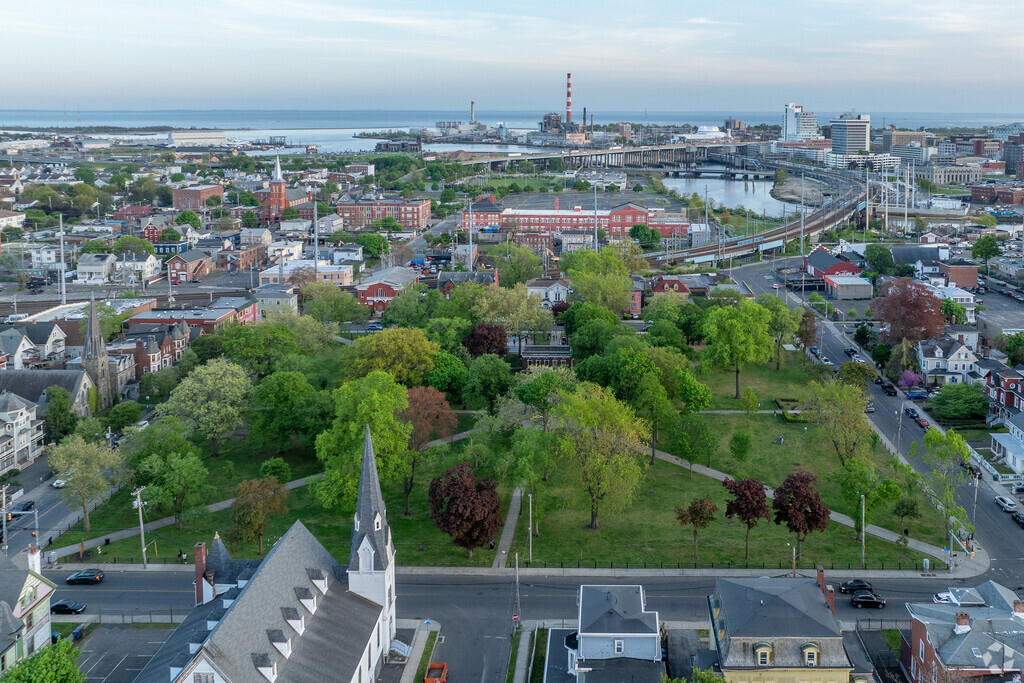
The detour required a serpentine route through the East Side, which the author compared to the heavy traffic congestion of Manhattan. A trip that would have been a half-mile walk had the bridge remained open to pedestrians turned into a 25-minute drive covering more than a mile via the East Washington Avenue Bridge. The author observed that local pedestrians, who frequently use the bridge as a primary artery to the downtown train station, appeared well-acquainted with this contingency service.
The impact of these closures extends beyond mere inconvenience, affecting the “access chi” of local residents and the ease of movement between residential pockets and downtown commerce. The author highlights the frustration of navigating a city where major structures, such as the Congress Street Bridge, have remained vacant or underutilized for decades, complicating the urban landscape.
The Human Element of Urban Navigation
The experience of navigating Bridgeport’s shifting transit patterns also touches on the social fabric of the city. During a walk back through the industrial and commercial corridors of Knowlton, William, and Pulaski Streets, the author recounts an encounter with a security person navigating traffic. The interaction underscored the diverse and sometimes jarring experience of moving through different neighborhoods in the city.
The author suggests that for those feeling out of place in the city’s gritty or diverse environments, a piece of local identity can serve as a social buffer. The piece concludes by noting that the city’s complexity and diversity are constant, even when the infrastructure fails to provide seamless movement.
As the $40 million upgrades continue, the unpredictability of bridge access remains a primary concern for those relying on the Stratford Avenue corridor for daily transit.

Kansas City Current Defeat Angel City FC to Advance to NWSL Semifinals
Michelle Cooper penalty secures Kansas City Current victory in postseason opener The Kansas City Current advanced to the...

No. 21 Iowa defeats Northwestern 24-10 in conference clash
Iowa Hawkeyes Overpower Northwestern in Conference Clash The No. 21 Iowa Hawkeyes maintained their momentum in the conference...

Advocates Warn of Rising Veteran Homelessness in Springfield
Advocates in Springfield used the local Veterans Day parade to shine a light on the persistent and evolving...

Tropical Storm Pena Brings Scattered Showers and High Surf to Hawaii
Tropical Storm Pena stays south of Hawaii as moisture brings showers Tropical Storm Pena has developed south of...