The fear of outliving retirement savings has sharpened as life expectancies stretch and inflation erodes purchasing power.
- Warren Buffett’s 90/10 S&P 500 and short-term Treasury allocation remains a baseline strategy, but retirees in 2027 need a larger cash buffer to survive sequence-of-returns risk.
- A 25% market drop in year one combined with a $40,000 withdrawal forces a 41% rebound just to break even.
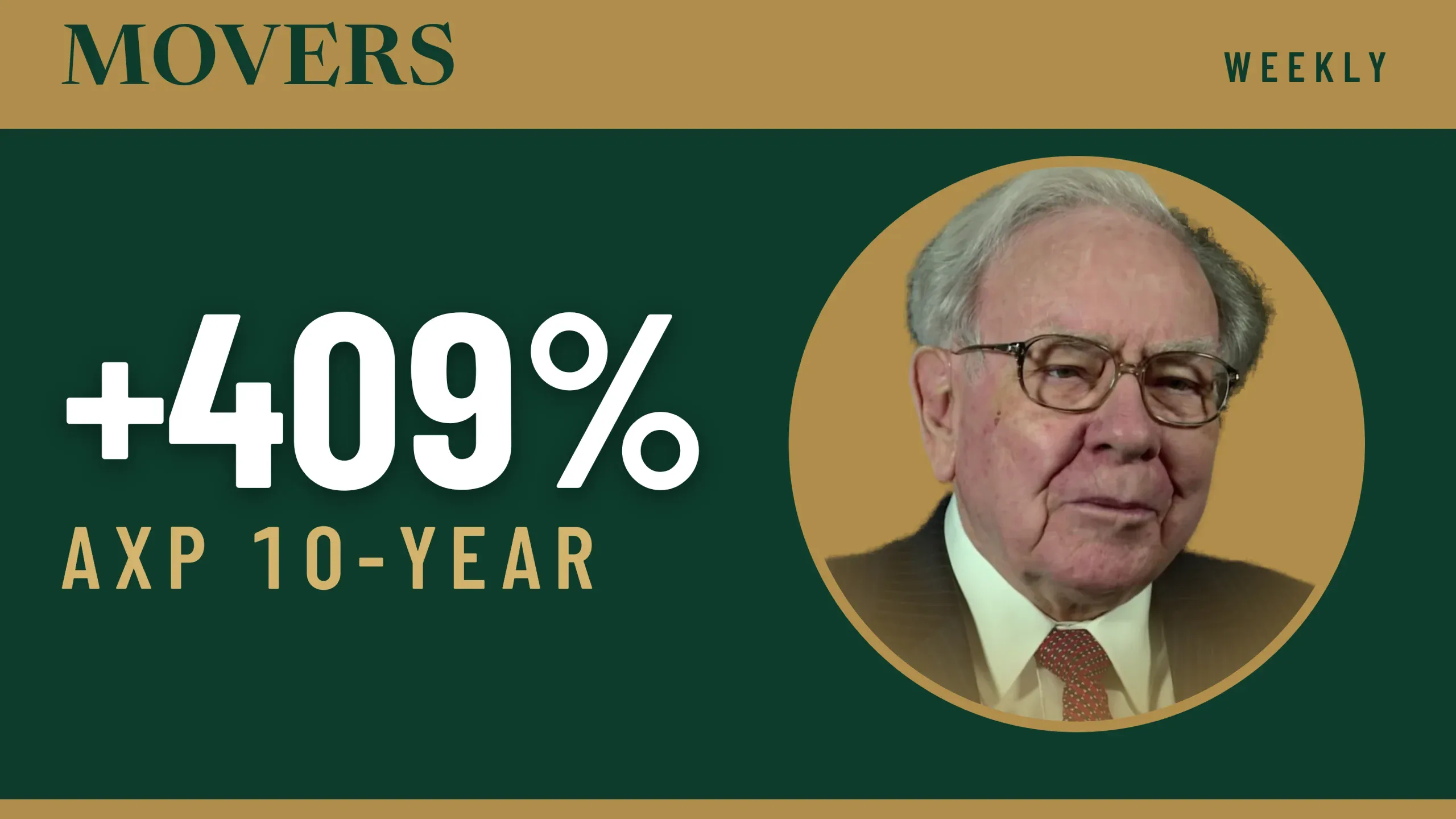
- Dividend growers like American Express, which raised its quarterly payout from $0.29 to $0.95, offer rising income without selling principal.
Buffett’s 2013 Letter Sets the Baseline
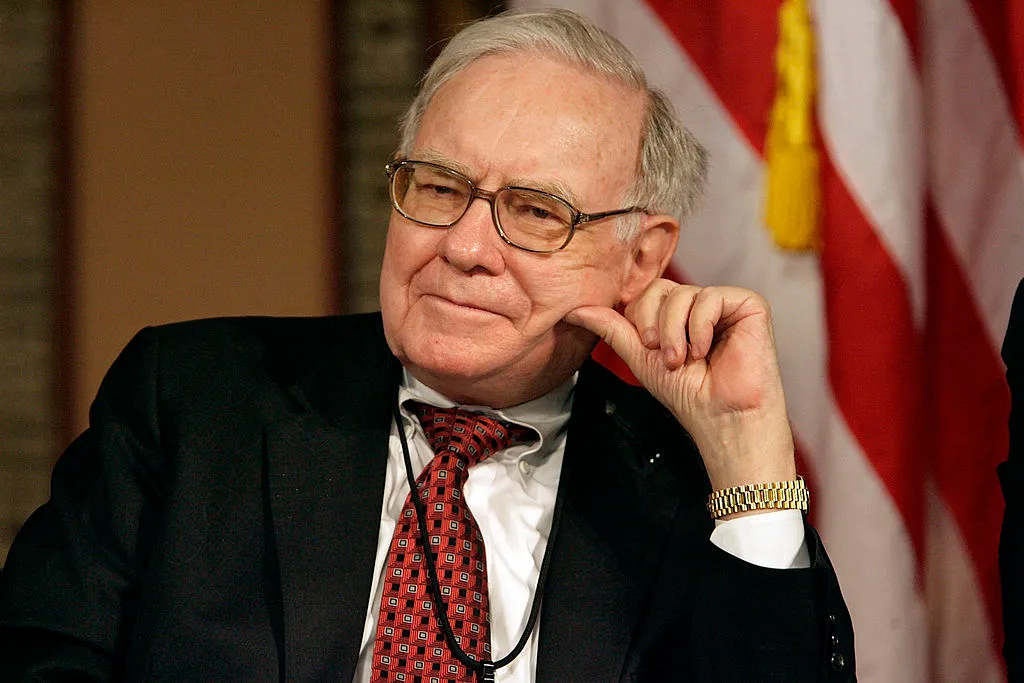
On a recent episode of Barron’s Streetwise podcast, the host cited Buffett’s 2013 letter to shareholders: instructions for his wife’s trustee called for 90% in a low-cost S&P 500 fund and 10% in short-term U.S. government bonds. That allocation leaves a gap for anyone retiring in 2027 because it assumes the investor never has to sell during a downturn.
Sequence-of-Returns Risk Rewrites the Math
Retirees face extra danger because they often have to sell shares to pay bills. That danger is called sequence-of-returns risk. Once withdrawals begin, the order of returns matters. Take a hypothetical $1 million portfolio. In year one the market falls 25% and you withdraw $40,000 to live on. You’re left with $710,000. Getting back to $1 million now takes a 41% gain. An investor who withdrew nothing would need only 33%.
Cash Buffer Size Determines Survival
Everything hinges on one question: will you be forced to sell stocks during a drop? Investors keen to take risks may opt for enough cash to cover one year of expenses, money in income-producing assets they won’t need in the next three years, and the rest toward growth stocks.
Dividend Growth Beats Yield Chasing
Pick income stocks by earnings strength and payout growth first. Look at yield last. Quality stocks still fall. Both stocks pay modest yields. Coca-Cola yields about 2.1%, and American Express yields roughly 1.2%.
Fee Transparency in Dollars, Not Basis Points
Price your fees in dollars. Multiply each fund’s expense ratio and any advisory fee by your balance. Then compare the total to what an index fund would cost. Screen dividend stocks by growth. Check 10 years of payout history and earnings trends before you look at today’s yield.
Contact [email protected] for any questions or corrections.
Founded in 1850 in Buffalo, New York, as a freight forwarding venture by Henry Wells, William G. Fargo, and John Warren Butterfield, American Express introduced its first paper charge card in 1958 after decades of financial and travel services. The company converted to a bank holding company during the 2008 financial crisis and now operates as the fourth-largest card network globally by purchase volume.
Disclaimer: The information provided in this article is for educational and market analysis purposes only and does not constitute financial, investment, or legal advice. Always consult with a certified financial professional before making investment decisions.
Keep reading

Delaware OKs Delcastle Certificate, Funds Charlton; Brandywine Needs Referendum
Delaware's vocational-technical district is staring down a $315 million bill to replace a high school that opened when...

Connecticut AI Law Removes Automated Tool Defense in Employment Bias
Connecticut employers woke up on October 1 to a new legal reality: the algorithm is no longer an...
One Tax Year Later: What Maryland Business Owners Learned About Capital Gains Surcharge
Maryland’s new capital gains surcharge has already added $40,000 to the state tax bill on a $2 million...

Bismarck Collector Returns Long-Lost Blueprints to Paul Broste Rock Museum in Parshall
"These are the bones of the building," said Wayne Wolff, the Bismarck collector who spent years tracking down...