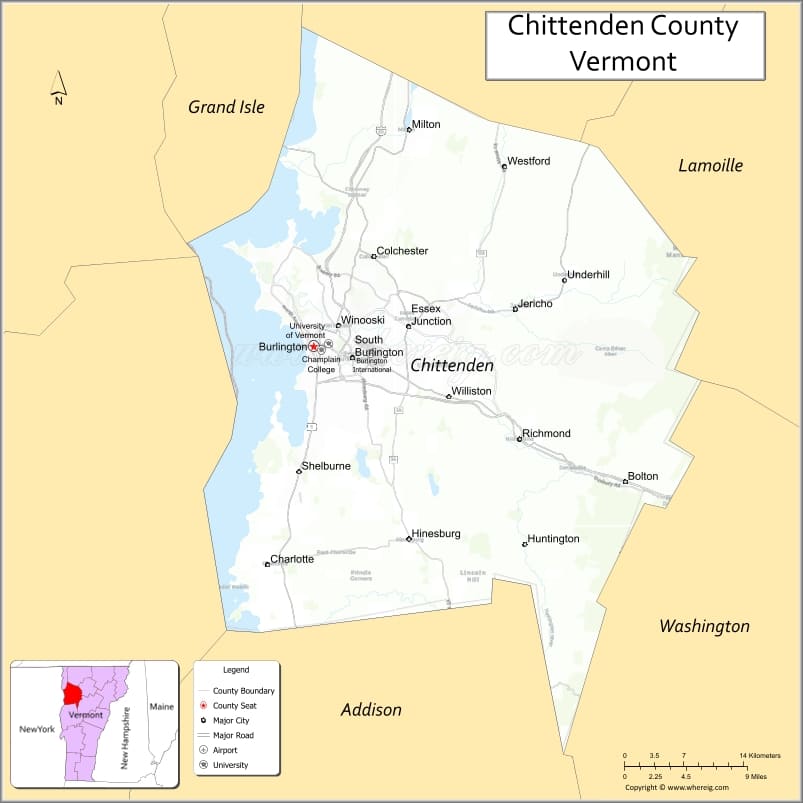
Lila Darjee Khadka died on October 11, beaten to death with a flashlight by the husband who had strangled, stabbed at, and punched her for years, and Erin Bartle knew it was coming.
Bartle, a former Burlington police investigator who now works out of the Chittenden County State’s Attorney’s Office, got the text from a former colleague on October 10 while she was hiking.
Bal Khadka had been arrested. Bartle’s first thought was grim certainty. She had met Lila years earlier while investigating domestic violence cases, and she had counted Lila among a handful of women she feared would be killed by their partners.
The case lays bare the brutal arithmetic of domestic violence prosecution: a history of escalating abuse, criminal charges that repeatedly fizzled, and a fatal conclusion that the system struggled to interrupt. Bal Khadka had been arrested repeatedly.
Lila accused him of punching and strangling her and trying to stab her with a knife. But she felt she could not testify against him. Without her, prosecutors said, they lacked the evidence to pursue the most serious charges, and the 2023 assault case was dropped.
“It’s a completely different relationship than if somebody gets mugged out on the street,”
That dynamic — victims as reluctant key witnesses — is why Chittenden County State’s Attorney Sarah George recruited Bartle in June 2025. George, who spent her first four years as a prosecutor on domestic violence cases and survived an abusive relationship in high school, asked the Department of State’s Attorneys and Sheriffs to redirect federal Violence Against Women Act funds from a prosecutor’s salary to an investigator.
Bartle, planning to step down from the Burlington Police Department to spend more time with her children, took the part-time post.
She works two days a week out of the Burlington criminal courthouse. Each shift starts with a review of recent police affidavits in domestic violence cases, hunting for missing elements — whether a weapon was used, the severity of injuries, details that turn a misdemeanor into a felony.
Judges can hold someone without bail only on felony-level charges; a misdemeanor arrest often means the defendant walks free within hours and can confront the victim again.
George offered a stark example: an officer wrote simply that a victim had been "choked." Prosecutors listened to the woman's full statement and heard her describe losing control of her bladder during the attack — a clear sign of strangulation that was missing from the affidavit. George upgraded the charge to a felony.
Officers often have only 20 to 30 minutes at the scene of a domestic incident before the next call pulls them away, Bartle said. They clock out in the morning; prosecutors read the affidavits hours later. Bartle bridges the gap.
She listens to recorded police statements for details omitted from the affidavit, reviews jail calls for witness tampering, consults forensic nurses at the University of Vermont Medical Center, and reaches out to victims directly — sometimes spending more than four hours in a conference room with a single survivor.
“I tell them straight up, ‘I am afraid for your safety. This is what I know is likely to happen, and I just need to keep you alive.’”
That rapport builds evidence. In one case this year, an affidavit supported only an unlawful mischief charge — a misdemeanor property crime. Bartle learned the victim had been hospitalized with serious injuries. She pushed police to investigate further; the new evidence supported an aggravated domestic assault felony, and the victim’s statement established a pattern of violence that convinced a judge to hold the defendant without bail.
Advocates say this evidence-based approach — relying on 911 recordings, medical records, and witness accounts — removes the sole burden of participation from the victim. “It takes the sole pressure off of the victim to participate or not,” said Sarah Robinson, co-executive director of the Vermont Network, which supports organizations working with survivors.
But the obstacles are structural. Most incidents occur overnight, when departments are busiest. Strangulation, one of the most lethal forms of abuse, often leaves no visible marks. Victims rely on abusers for housing and income, fear losing custody of children, and face a county with only one domestic violence shelter and few open beds. Many still care deeply about the person hurting them.
Bartle sat in court last month and watched Bal Khadka plead not guilty to murder. Looking back, she believes she and others did everything they could for Lila Khadka.
“But it wasn’t enough,” Bartle said.
If you need help, call the Statewide Domestic Violence Hotline at 1-800-228-7395 or visit humanservices.vermont.gov/help-and-resources/domestic-violence.
Worth a look

Louisiana Rural Education Association Convenes Summit Demanding Intentional Rural Investment
The Louisiana Rural Education Association convened its annual summit on Nov. 13 at LSU’s Huey P. Long Field...

No. 8 Doddridge County Travels to No. 1 Frankfort for Quarterfinal Rematch of Semifinal
Doddridge County's Bulldogs are back where they expect to be in November, but the road ahead runs through...

San Antonio Zoo Welcomes African Lion Tatu to Big Cat Valley Under Species Survival Plan
San Antonio Zoo welcomed a new male African lion named Tatu to Big Cat Valley on Wednesday, Nov....

Iowa Vape Directory Limits Legal Products to 361, Retailers Project Major Losses
Iowa's new vapor products directory took effect Monday, Nov. 16, cutting the number of e-cigarettes retailers can legally...