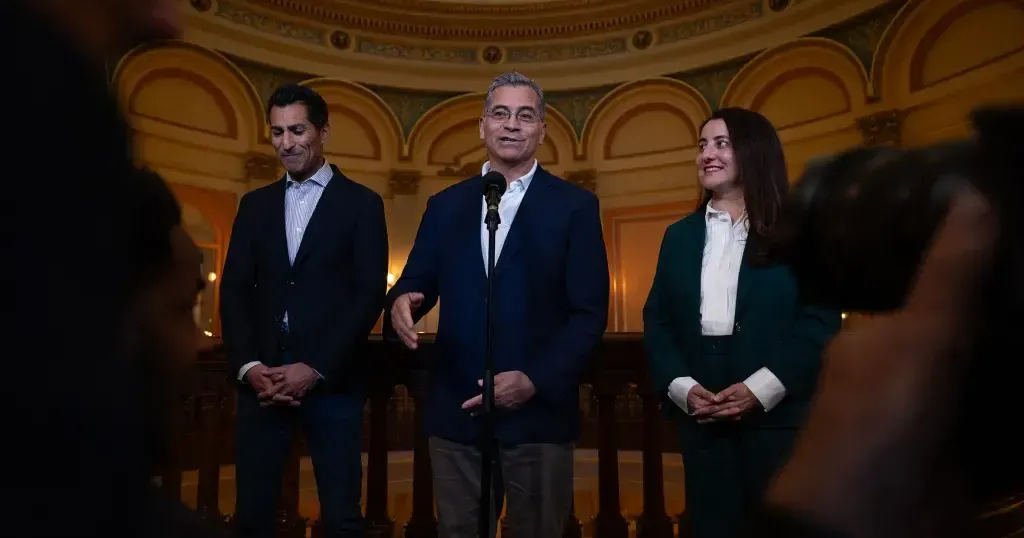
California’s Legislature will reach gender parity for the first time in January, seating 60 women alongside 60 men, CalMatters reported.
The milestone caps a November election that sent the most diverse class of lawmakers in state history to Sacramento. At least 70 of the 120 members — 58 percent — will be people of color, up from the record 67 set in 2025, according to the California State Library.
Latinos will hold 42 seats, Black lawmakers 14, and LGBTQ representatives 15, each an increase over the current session. Yet the Legislature still lags the state’s population, where 68 percent of residents are nonwhite.
“Certain issues are going to dominate the agenda in ways that 10 years ago, or even 20 years ago, especially, that wouldn’t be the case.”
Christian Grose, USC political scientist, told CalMatters
The demographic shift coincides with a historic Democratic supermajority expected to reach 100 seats. Six of the 14 candidates recruited by Close the Gap California flipped Republican-held districts, unseating GOP Assemblymembers Jeff Gonzalez and Leticia Castillo among others. Executive Director Susannah Delano said the results surprised even her organization, which has spent more than a decade building a pipeline of progressive women candidates.
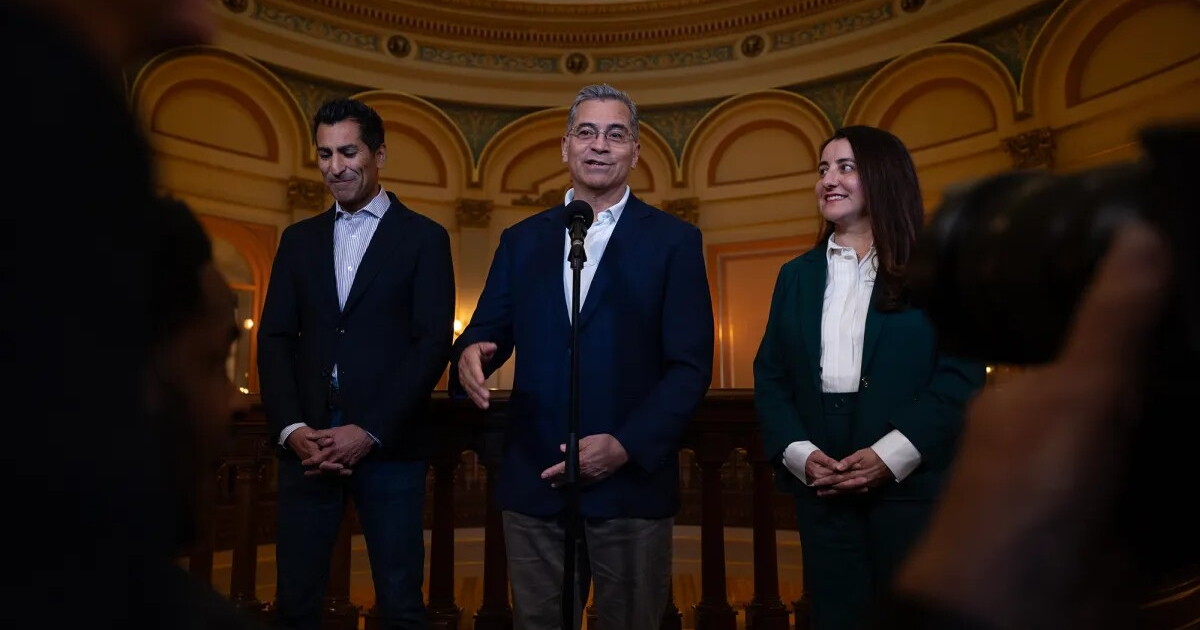
“It really is the culmination of more than a decade of hard work and investment.”
Susannah Delano, Close the Gap California, told CalMatters
The Latino Caucus enters the session with unprecedented structural leverage. The state’s top three leaders — Gov.-elect Xavier Becerra, Assembly Speaker Robert Rivas, and Senate President Monique Limón — are all Latino. That alignment, Grose said, means the caucus can “flex more power” on shared priorities. Assemblymember Corey Jackson, incoming chair of the Legislative Black Caucus, signaled his delegation will press again for criminal justice reforms and cash reparations.
“It gives us more opportunities to build the alliances and coalitions that we need, and to send a message that the Black Caucus will never stop trying to deliver on reparations.”
Corey Jackson, Assemblymember, told CalMatters
Equality California highlighted victories in regions where LGBTQ candidates have historically struggled. Annalisa Perea won in the Central Valley and Clarissa Cervantes in the Inland Empire, races the organization backed with at least $25,000 in independent expenditures for Cervantes. Spokesperson Jorge Reyes Salinas said the results challenge the assumption that sexual orientation remains a barrier in those communities.
The question now is whether descriptive representation translates into policy outcomes. With a supermajority that can override vetoes and pass tax increases without a single Republican vote, the new Legislature has the numbers. Whether the caucuses can hold together on reparations, affordability, and climate policy will define the session.
Keep reading

GW Names First OneGW Spark Grant Teams for Interdisciplinary Planning
No new buildings. No new hires. The awards span quantum curriculum, AI labor economics, textile studies, and a...

William Bryan Morgan Sentenced to 30 Years for Killing Stepson Caleb Donnelly
A Greenwood County jury sentenced William Bryan Morgan to 30 years in prison Wednesday for the June 2021...

Paige Woods Receives Probation for Helping Husband Flee Fatal Crash Scene
Paige Woods received 363 days of probation Friday for helping her husband flee the scene of a crash...
Boise State 2027 Commit Ryce Palepoi to Visit Texas This Weekend
Boise State's 2027 linebacker commit Ryce Palepoi will take an official visit to Texas this weekend, a move...