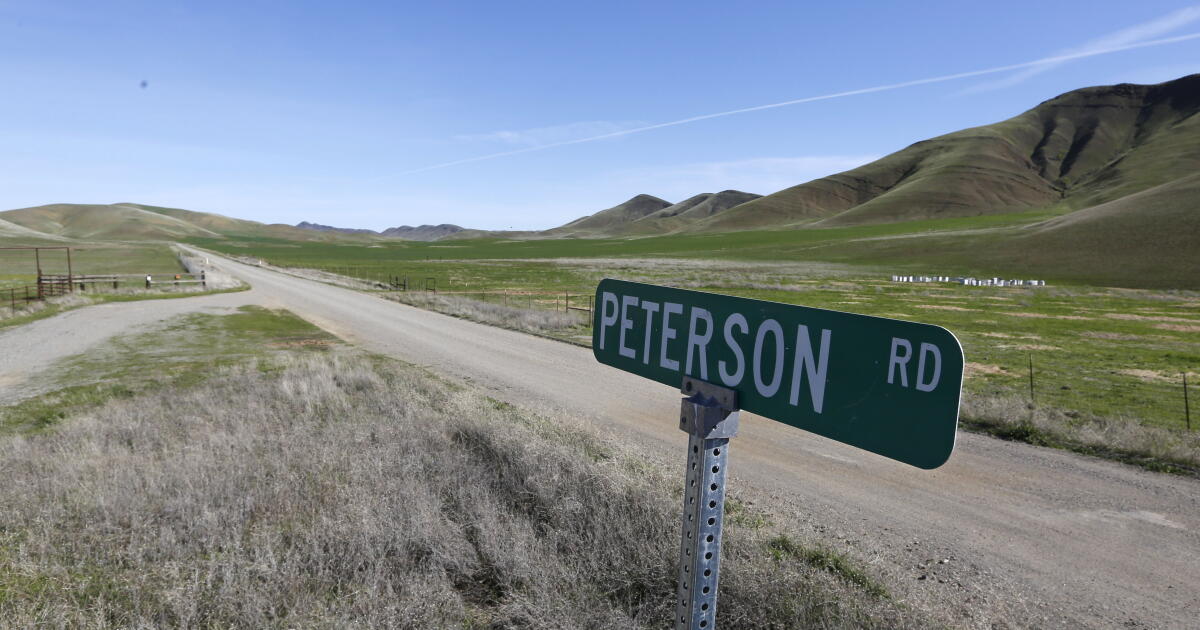
A $7 Billion Bet on California’s Water Future
California water regulators have given the green light for Sites Reservoir, enabling the construction of the state’s first significant new reservoir in many years. The State Water Resources Control Board voted unanimously late Wednesday to grant the water right permit for the reservoir, a $7 billion initiative intended to hold water in a state dealing with the climate change’s severe weather patterns. The decision, while praised by state leaders, arrives after a prolonged, highly divisive dispute concerning its environmental and cultural repercussions.
State officials and managers of water agencies stated that the reservoir will be a fundamental component of California’s strategy to adapt to climate change. The board’s chair, E. Joaquin Esquivel, characterized the decision as a direct answer to our new reality. “We’re living with more extreme droughts and floods, and a growing need to store water during wet periods,” he said. “Sites is built for exactly that.”
A Valley Submerged, a River Diverted
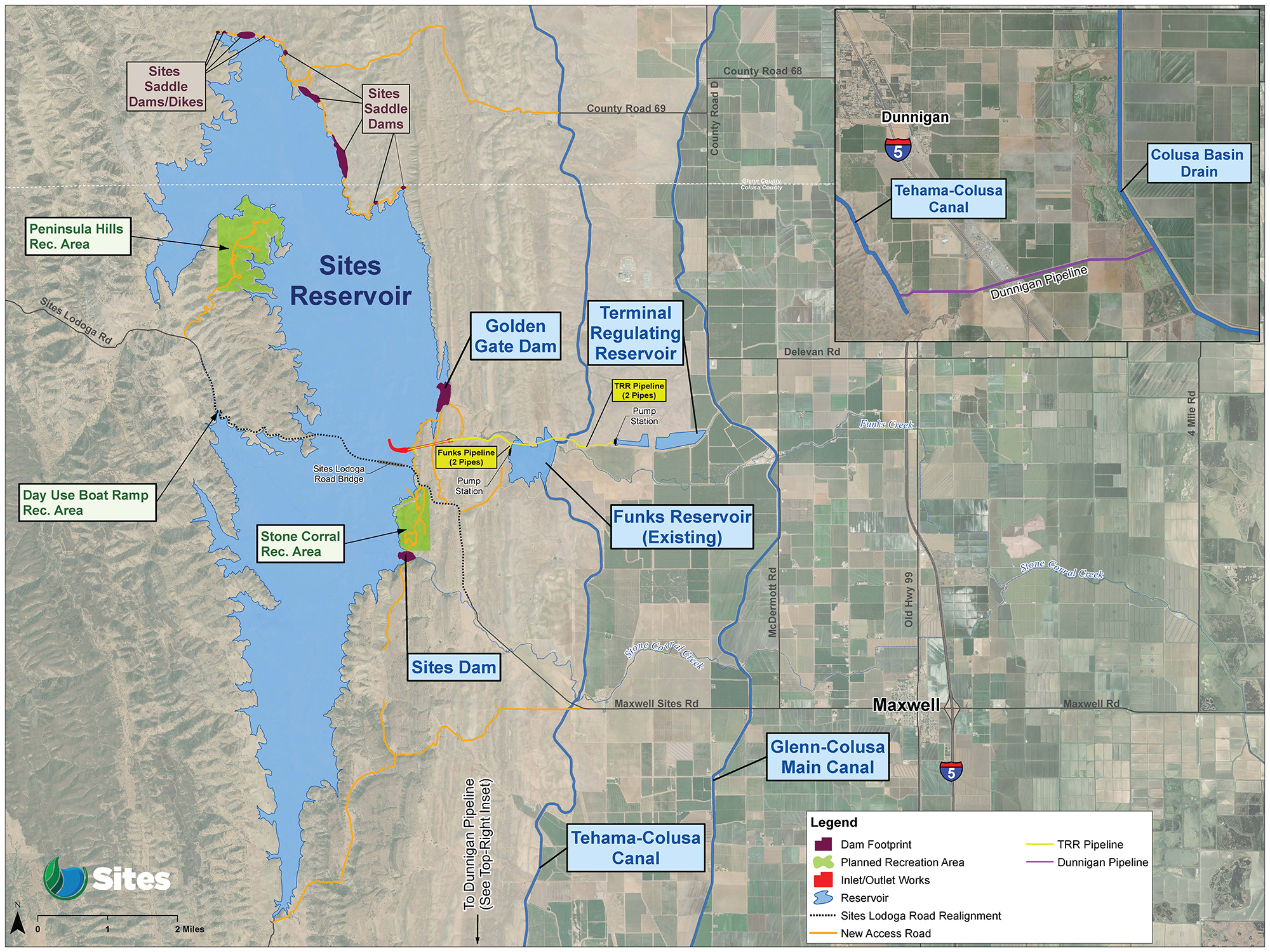
The scale of the project is immense. Plans call for two large dams, each about 300 feet high, along with nine smaller ones. They will inundate roughly 15,000 acres in a valley northwest of Sacramento, creating a reservoir that will hold up to 1.5 million acre-feet of water—making it the largest reservoir built in California since the completion of New Melones Dam in 1979. The water will be pumped from the Sacramento River during periods of high flow and held for use during dry spells.
Gov. Gavin Newsom hailed the vote as evidence that California can once again undertake major infrastructure projects. “California can get big infrastructure projects moving again,” he said, calling it a smart investment. “Now it’s time to get shovels in the ground.” Construction is scheduled to begin next year and conclude in 2034.
Yet, for a coalition of environmentalists, fishing advocates, and Native American tribes, the project is a profound betrayal. They argue that siphoning so much water from the Sacramento River will devastate its already fragile ecosystem, harming salmon and other native fish and worsening the health of the San Francisco Bay-Delta.
“The Sites Reservoir project makes no sense. It costs billions, delivers a trickle of new water, and threatens the health of the Sacramento River and San Francisco Bay-Delta,” said Keiko Mertz, policy director of the environmental group Friends of the River.
Sites Reservoir is more than a local project. With 30 participating agencies across California, it reflects a shared, statewide effort to strengthen water reliability for communities, farms, and the environment. Learn more at https://t.co/QZWEabSYwL #BuildSitesNow pic.twitter.com/HAPeNFiVE6
— https://x.com/SitesProject/status/2088053072341745730
Footprints Covered, Ancestral Grounds Lost
The opposition extends beyond environmental concerns to the very land the reservoir will cover. For Native American communities, the valley is not just empty terrain; it is land woven with history and sacred significance. Amanda Mitchum, a leader of the Cachil Dehe Band of Wintun Indians, described the personal and cultural devastation the project would bring.
“If this reservoir goes through, you will literally be covering up the footprints and trails that my father walked with his mother, he walked with me, and I walk with my children,” she told the board. “And that’ll all be gone.” Theresa Moore, of the Chhé’ee Fókaa Band of Northeastern Pomo, was more direct, calling the project “destructive, extractive” and accusing the board of acting as “rubber-stamps of Big Ag, water profiteers, and the politicians in their pockets.”
“Given the impacts of climate change, extreme drought, and intense flood years, this generational project is necessary,” said Ryan Shaw, a manager of Western Municipal Water District.
A 20th Century Solution for a 21st Century Problem?
The debate over Sites is also a debate over philosophy. Critics argue that the state is doubling down on an outdated, brute-force approach to water management. They advocate for a smarter, more sustainable portfolio of solutions: aggressive conservation, a shift to less water-intensive crops, and nature-based methods to capture stormwater and recharge groundwater.
Beth McCullough, a Sacramento County kayaker, said the idea of pumping water out of the river and sending it to an arid valley “sounds like a proposal to create an enormous stagnant pond,” where toxic algae would grow, then later be released into the stressed ecosystem of the Delta.
Environmental scientist Christina Swanson went further, calling the project “amazingly ill-conceived,” and questioning whether there is even enough water to fill it.
One of California's broadest and most diverse water coalitions is behind the Sites Reservoir Project — 29 participants strong with 16 more on the waitlist. That growing support is what's driving this Project forward. Learn more at https://t.co/oTwVbhTbO8. pic.twitter.com/6gTQCaY7DW
— https://x.com/SitesProject/status/2066883839914315945
The state and federal governments have pledged to pay for about one-third of the construction costs, with more than $1.3 billion allocated from California’s Proposition 1 bond measure, which voters approved in 2014. A judge-like officer appointed by the water board oversaw a series of hearings to weigh the permit application, and when she released a draft decision earlier this year, project proponents—including Gov. Newsom—objected. The board later adopted changes that satisfied the developers, a move critics claimed weakened environmental safeguards.
The Sites Project Authority, the agency overseeing the construction, will turn next to securing funding commitments from water agencies. Its executive director, Jerry Brown, expects that will take about four months, and then the agency will be ready to start taking out loans and making final preparations to start construction.
Sites Reservoir is being developed to help strengthen California's water system by providing additional storage that can benefit communities, agriculture, and the environment during dry years. Learn more at https://t.co/oTwVbhTbO8 pic.twitter.com/c0a7k8EQ52
More on Sites Reservoir
California continues to experience dramatic swings between wet and dry conditions, proving the need for more water storage. Sites Reservoir will capture and store water to support communities, farms, and the environment when needed most. Learn more at https://t.co/oTwVbhTbO8. pic.twitter.com/bsbY0QCt3T
During drought, having water in storage is one of the most valuable tools for keeping California resilient. Sites Reservoir is designed to capture store water in wet periods, so it's available during dry years when we need it most. Learn more at https://t.co/oTwVbhTbO8. pic.twitter.com/ZW0vmsXO4w
#DidYouKnow: Rainy days can help California prepare for the dry ones? Sites Reservoir is designed to capture water when it is available and store it for when it is needed most. 🌧️☀️Learn more at https://t.co/QZWEabSYwL. pic.twitter.com/JU1Ft4X5OV
Related reading

How Deni Avdija Is Making Portland’s Biggest Offseason Fear Look Foolish
Avdija Silences Doubts as Blazers Find a New Rhythm "I want you to be the horse." That's how...

Universal Orlando Teaks New Indoor Coaster for Dark Universe
Universal Orlando Resort is teasing an all-new indoor coaster coming to the Dark Universe land at Universal Epic...

Dorothy Moon: Idaho voters rejected Prop 1 56-44
Idaho GOP Chair Celebrates Election Wins, Defiant in Face of National Losses In a column published by the...
How to Pay Your Utica National Insurance Bill and Manage Payments
Utica National Updates Payment Options, but Fees Spark Questions for Policyholders Utica National Insurance Group has detailed its...