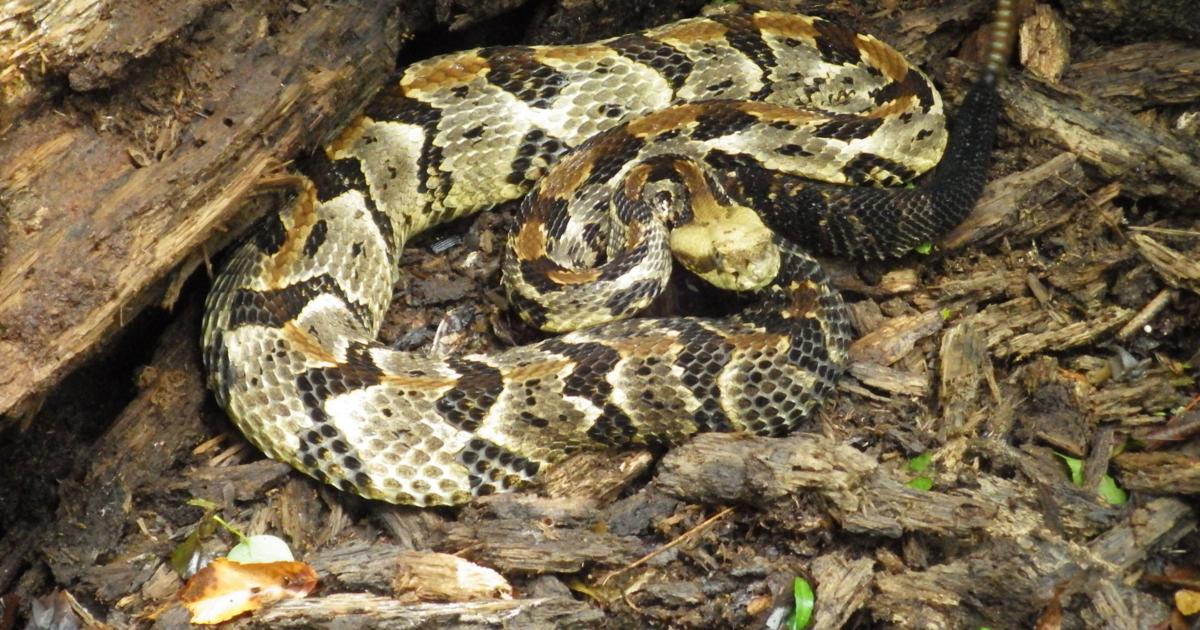
Hiding in plain sight across wild and urbanized corners of New Orleans, a distinct population of venomous canebrake rattlesnakes maintains a quiet presence despite decades of regional development, according to reporting by article.wn.com.
- Bob Thomas removed four canebrake rattlesnakes from the Audubon Louisiana Nature Center in New Orleans East.
- Tim Borgardt spent five days in the hospital after a canebrake bite during his studies in the city.
- A nearly six-foot rattlesnake was removed from underneath a porch in New Orleans East in 2017.
While northern counterparts of the timber rattlesnake receive more frequent scientific study, local researchers note that the New Orleans population displays unusual habits. According to ecologist Tim Borgardt, Bayou Sauvage Urban National Wildlife Refuge is the only known location where these snakes hunt directly in the water, a stark contrast to their typical upland behavior.
The snakes also climb trees far above the ground to hunt prey. “Unless you’re in Bayou Sauvage, they’re not hunting in the trees or hunting in the water,” Borgardt said, as reported by article.wn.com. “I don’t think it happens often.”

Canebrakes prefer bottomland hardwood forests that lie in river floodplains, which have been fragmented or destroyed across parts of the American South. In New Orleans East, Algiers near English Turn, and the Irish Bayou area, the remaining tracts provide critical habitat.
The snakes play an important role by consuming rats, rabbits, and other small mammals that reproduce quickly, noted Bob Thomas, a professor of environmental communication at Loyola University. Although capable of growing over five feet long, the reptiles are secretive, well-camouflaged, and generally non-aggressive toward humans.
“The tradeoff is not acceptable to most people,” Thomas said. “I understand why. You have to be careful. I always say, ‘You don’t have to love canebrake rattlesnakes, but you have to respect them and respect their role in the environment.’”
Scientists remain uncertain about the long-term outlook for the local population, given the limited research compared to northern timber rattlesnakes. Borgardt emphasized the unique attributes of the disjunct local groups while expressing hope that their environment remains intact decades from now.
Bayou Sauvage Urban National Wildlife Refuge encompasses 23,000 acres of fresh and brackish marshes, bottomland hardwood forests, lagoons, canals, borrow pits, chenieres and natural bayous within the city limits of New Orleans, forming the largest urban wildlife refuge in the United States.
This mosaic of wetland and forested habitats supports the disjunct canebrake rattlesnake population that ecologist Tim Borgardt identifies as the only known group hunting directly in water and climbing trees far above ground to pursue prey, a sharp departure from typical upland behavior.
“I think the populations in New Orleans East and Algiers area are super special,” Borgardt said. “They are part of a small disjunct population and have some really unique attributes. Hopefully that habitat is still there in 50 years.”
Keep reading

Ryan Day Confirms Ohio State Focused on Jeremiah Smith’s Heisman in 45-0 Win
Ohio State head coach Ryan Day confirmed on Saturday that the Buckeyes intentionally funneled their offensive game plan...

Proving Tennessee Slip-and-Fall Claims During Holiday Shopping
Proving a slip-and-fall claim in Tennessee during the busy holiday season requires establishing that a property owner created...

One Suspect Arrested, Charged in Dickson Street Shooting That Injured Six
Six people were injured when a shooting occurred near Dickson Street early last month, according to police records....

Pregnant Inmate Rebecca Taylor Escapes Custody in New Mexico; Manhunt Enters Fourth Day
An orange prison jumpsuit lay discarded in an Albuquerque neighborhood on Wednesday, marking the start of a multi-agency...