
Proving a slip-and-fall claim in Tennessee during the busy holiday season requires establishing that a property owner created a dangerous condition or had actual or constructive notice of it before an injury occurred. Falling alone does not automatically make a store, restaurant, or shopping center liable.
What Elements Must You Prove?
A slip-and-fall case operates as a premises liability claim, requiring proof of standard negligence elements alongside specific notice requirements. Matt Hardin Law reported that business proprietors are not insurers of patron safety, but they must use due care under all circumstances.
Plaintiffs must show that the owner owed a duty of care, breached it, and that the dangerous condition directly caused their injuries. Beyond those basics, injured shoppers must demonstrate that the owner created the hazard or had notice of it prior to the fall, according to Matt Hardin Law.

How Does Notice Work?
If an employee spills a liquid or creates a slick surface, the creation of the hazard satisfies the notice requirement automatically. When another shopper causes the dangerous condition, injured individuals must establish actual or constructive notice.
Actual notice means an owner or staff member knew the hazard existed through reports or prior complaints. Constructive notice means the condition remained long enough that reasonable care should have uncovered it, or that a recurring pattern made the danger foreseeable.
How Does Fault Affect Claims?
Tennessee follows a modified comparative-fault rule where injured parties may recover damages if their share of fault sits below 50 percent. Reaching or exceeding that 50 percent threshold bars any financial recovery entirely. Visible spills and open dangers do not automatically defeat a claim, though courts factor them into comparative fault alongside warning signs, viewing angles, and staff inspection logs.
When Must You File?
State law sets a strict one-year statute of limitations for personal injury lawsuits following the date an accident occurs. Surveillance footage and cleaning logs often overwrite quickly in busy retail environments, leaving narrow windows to secure vital evidence. Matt Hardin Law advised that injured individuals should document scene conditions, photograph the area, and seek legal guidance well before the one-year deadline expires.
Worth a look

Georgia GOP Chair Blames Rick Jackson Campaign for Midterm Loss
Georgia Republican Party Chair Josh McKoon is attributing his party’s midterm losses to the campaign strategy of gubernatorial...

No. 3 Texas Beats Texas a&M 16-6, Finishes 10-2 as Sarkisian Calls Win ‘Microcosm’
No. 3 Texas secured a 16-6 victory over Texas A&M in College Station on Friday, finishing a 10-2...
Kentucky Equine Adoption Center Named 2026 Outstanding Equine Sanctuary
The Kentucky Equine Adoption Center (KYEAC) has been named the 2026 Outstanding Equine Sanctuary by the Global Federation...
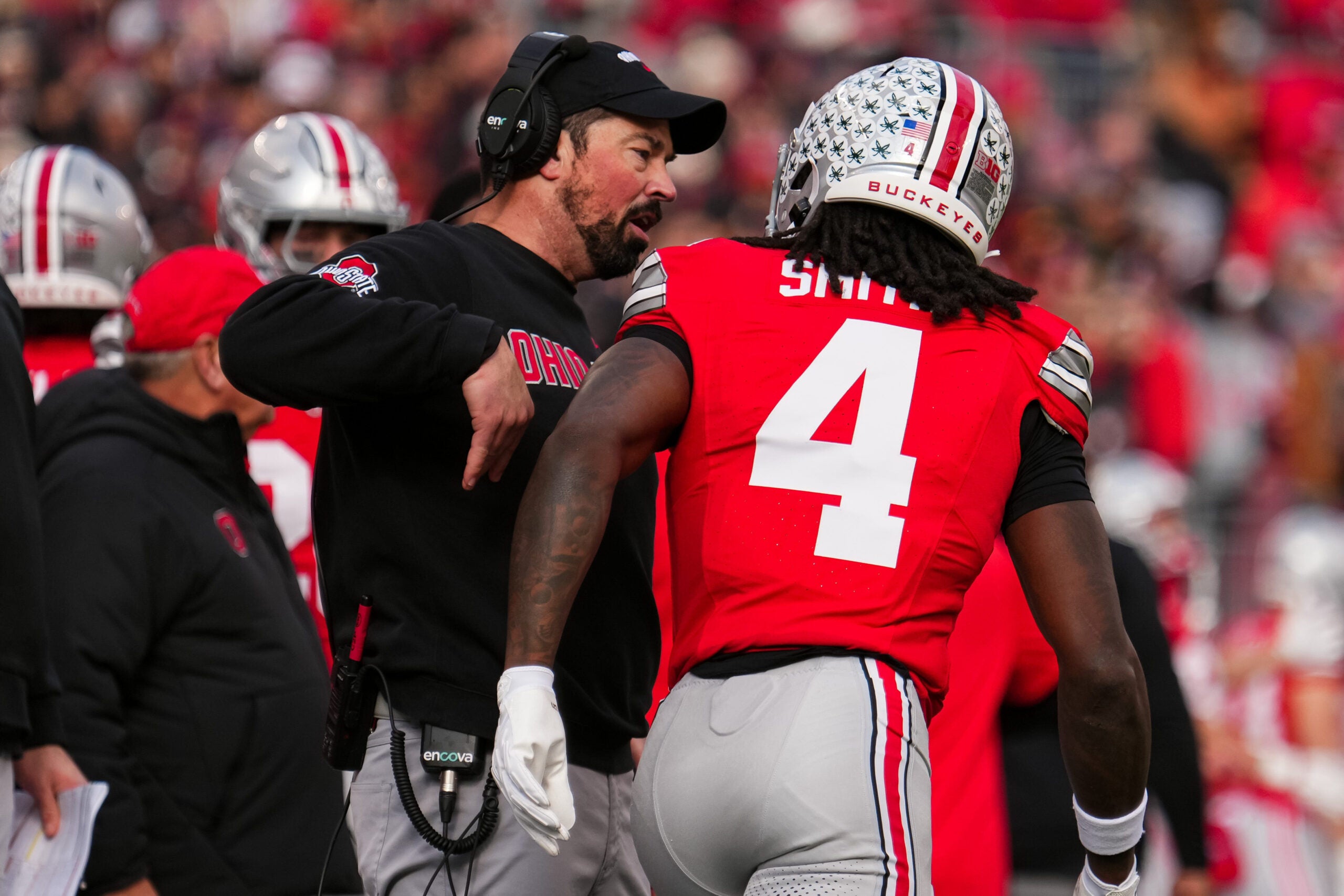
Ryan Day Confirms Ohio State Focused on Jeremiah Smith’s Heisman in 45-0 Win
Ohio State head coach Ryan Day confirmed on Saturday that the Buckeyes intentionally funneled their offensive game plan...