A Milestone at Laurel: The Resilience of Class 67
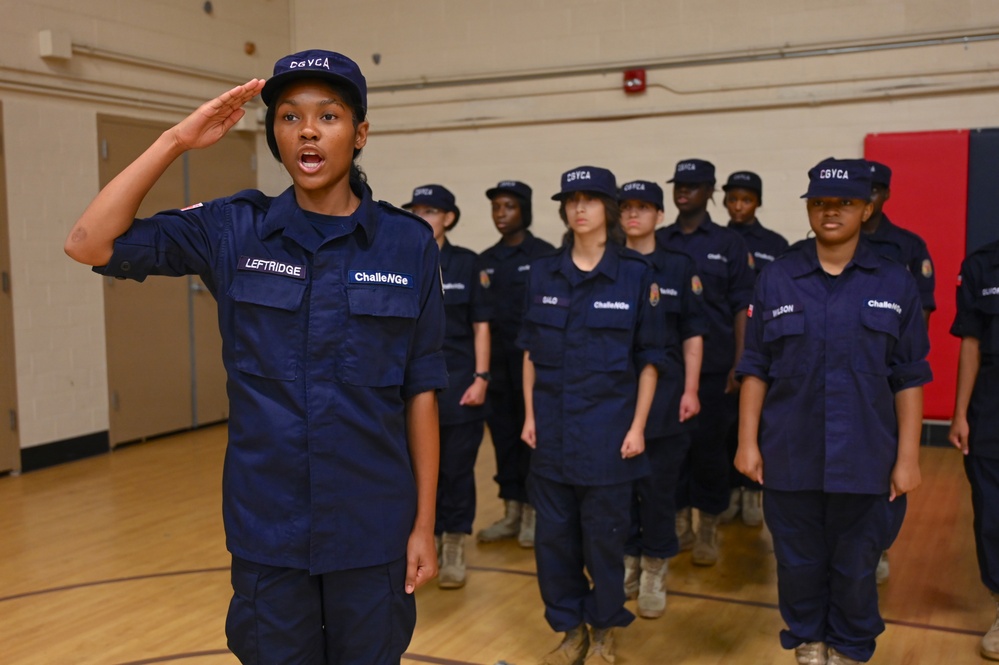
On the morning of October 3, the grounds of the Capital Guardian Youth ChalleNGe Academy in Laurel, Maryland, were saturated by steady rain. Despite the gray skies and the chill, families gathered in force to witness the progress of Class 67. The event served as a crucial halfway marker for the cadets, who have spent nearly 11 weeks immersed in the academy’s rigorous 22-week residential program. The day was defined by drill formations, shared meals, and the rare opportunity for students and families to reconnect after nearly 11 weeks of separation.
For the cadets, this milestone is about more than just surviving the program’s intensity; it is a public demonstration of a fundamental personal pivot. Melbert Carlos, the interim director of the academy, highlighted the importance of this Family Day, noting that it provides the students a necessary space to showcase the discipline and confidence they have cultivated since beginning their tenure at the campus.
The Human Stakes of the ChalleNGe
The Capital Guardian Youth ChalleNGe Academy, operated by the District of Columbia National Guard in partnership with the District of Columbia Office of the State Superintendent of Education, targets at-risk high school students. The program is designed to provide a foundational reset through a combination of academics, life-coping skills, job training, and community service. For many, the transition into this environment is initially jarring. Seventeen-year-old cadet Tara Glenn admitted she was reluctant to join, particularly regarding the structured requirements like marching. However, by the time Family Day arrived, her perspective had shifted entirely. She reported a newfound motivation and a positive mindset that she carries into her daily life.

The program’s impact is perhaps best reflected in the stories of personal evolution shared by the cadets. Darling Bail, a 16-year-old participant, arrived at the academy feeling nervous and uncertain about her future. After 11 weeks of structure, she noted a sense of belonging and a clearer path forward, including aspirations to join the military. Her mother, Maria Santos, echoed this sentiment, acknowledging the difficulty of the separation while emphasizing the value of the opportunity her daughter has been given to build a foundation for her future.
Balancing Progress with Institutional Challenges
Twin brothers Andy and Yanni Siamudele, both members of Class 67, pointed to the peer support system as a key factor in their success. Yanni is currently pursuing HVAC training, viewing the academy as a pragmatic stepping stone toward a stable career. He encouraged other young people to view the program not just as an obligation, but as an opportunity to “challenge yourself.”
The Practical Reality of the Program
The program is fundamentally an investment in redirecting the trajectories of students who have struggled within the traditional school system. By prioritizing life skills and leadership alongside standard academic curriculum, the academy aims to bridge the gap between high-risk status and long-term employability. The success of this model is measured in the incremental gains—a sense of accountability, the ability to wake up with a positive outlook, and the acquisition of technical skills like those pursued by Yanni Siamudele.
However, the existence of such a program questions the state of education in the District. While Family Day provided a moment of celebration, the program’s 22-week residential phase is part of a process of helping cadets build a foundation for life beyond the program.
The cadets of Class 67 have reached the halfway point, but the true test of the academy’s impact will be seen in the months following their graduation, when they must apply their new discipline to the realities of life outside the gates in Laurel.

Shai Gilgeous-Alexander Powers Thunder to sweep Cavaliers
Shai Gilgeous-Alexander Powers Thunder to Sweep Over Cavaliers The Oklahoma City Thunder cemented their dominance over the Cleveland...

Kolby Allard Elected Free Agency After Phillies Tenure
Kolby Allard Departs Philadelphia Phillies as Offseason Roster Shuffle Begins The Philadelphia Phillies’ organization saw a shift in...

For college basketball fans looking to catch the Portland State versus Seattle University matchup
The Cost of Accessing Portland State vs. Seattle U on Disney+ For college basketball fans looking to catch...

Brooklyn Pudwill records over 200 kills in WDA volleyball season
Brooklyn Pudwill and the Legacy Volleyball Postseason Push With the postseason looming, Legacy High School volleyball standout Brooklyn...