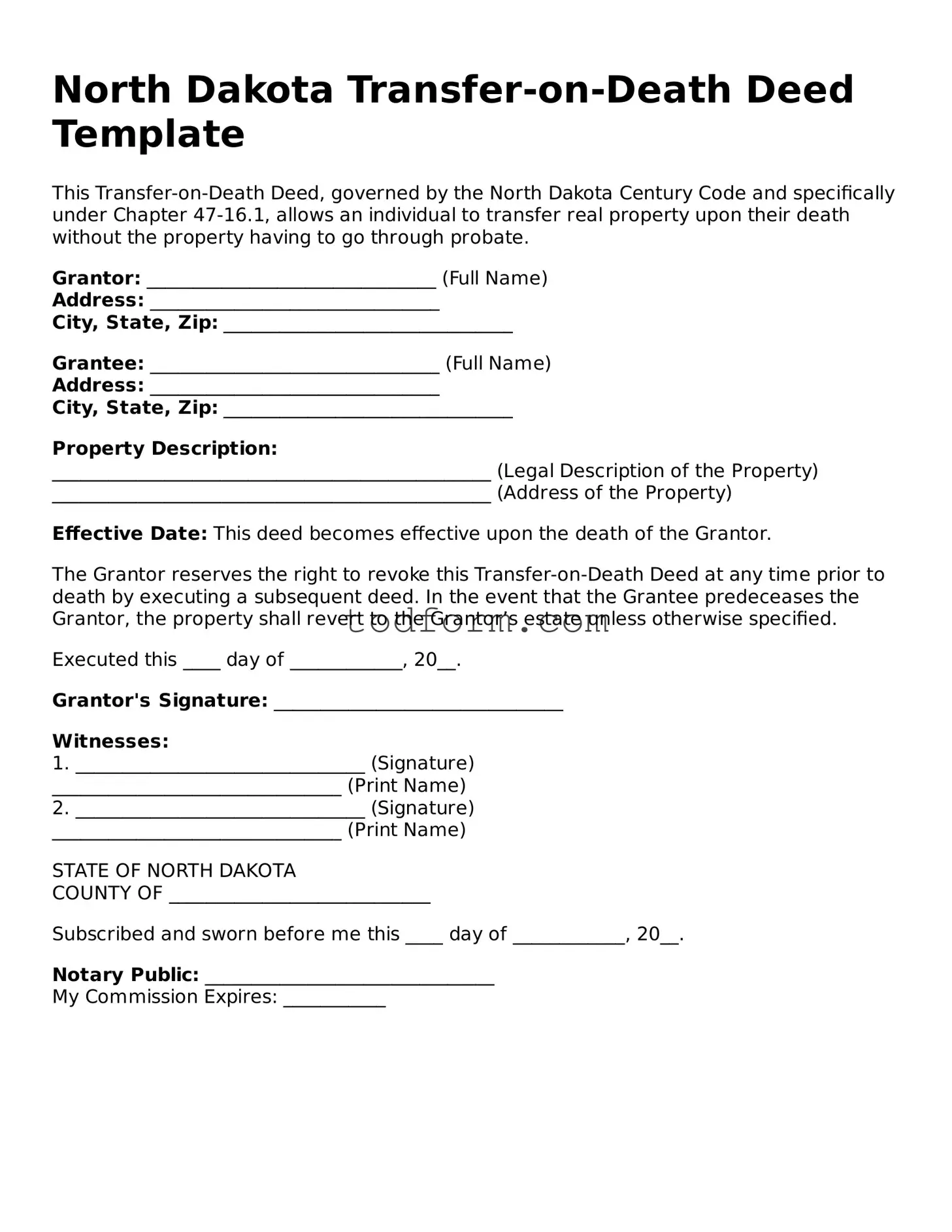
Cass County property owners can now utilize a specific Transfer on Death Deed designed for sole owners to name both a primary and an alternate beneficiary for North Dakota real estate.
This legal instrument, structured under Chapter 30.1-32.1 of the North Dakota Century Code, allows a single title holder to dictate exactly how their land passes to heirs without the immediate necessity of probate. By designating a fallback recipient, owners can ensure their property doesn’t fall into legal limbo if their first choice is unable to inherit.
The mechanism is built on a strict hierarchy of survivorship. According to documentation from deeds.com, the deed functions through a primary designation in Section 4 and an alternate designation in Section 5, which only triggers if the primary beneficiary fails to survive the transferor.
The mechanics of survivorship
The law provides a very specific clock for determining who is actually “alive” for the purposes of inheriting property. Under North Dakota Century Code Section 30.1-09.1-02, a person must be shown by clear and convincing evidence to have survived the owner by at least 120 hours. If they do not meet this threshold, they are legally deemed to have predeceased the owner.
This 120-hour rule prevents complications in cases where a beneficiary dies in close proximity to the property owner. When these survival conditions aren’t met, the deed’s built-in “standby taker” system takes over.
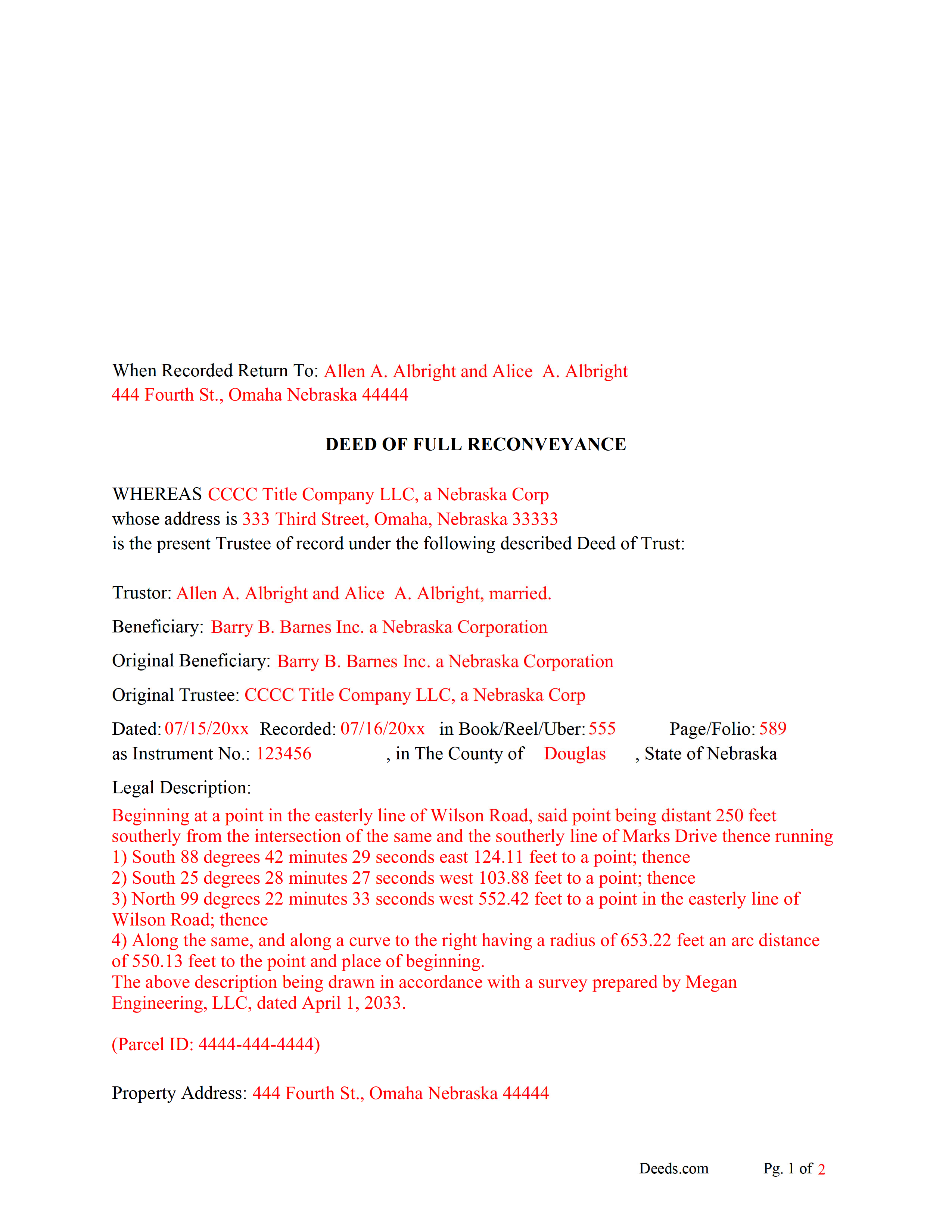
The interaction between these rules can become complex when descendants are involved. Section 30.1-09.1-06 creates a substitute gift for the descendants of a predeceased beneficiary if that person was a grandparent, a stepchild, or a descendant of a grandparent. However, the deed’s specific alternate designation can override these default descendant gifts.
“The substitute gift in a predeceased primary beneficiary’s descendants is superseded by the alternate designation only if the expressly designated alternate is entitled to take.”
This means if a parent names a daughter as the primary beneficiary and a grandson as the alternate, and the daughter passes away before the parent, the grandson takes the property directly. In that specific scenario, the daughter’s own children—the owner’s grandchildren—would not inherit under the deed because the alternate designation takes precedence.
Owners retain rights to sell or mortgage property
While the deed offers significant control, it is not a permanent lock on the property. The owner retains all rights of ownership while they are living. This includes the ability to sell the land or take out a mortgage, which effectively overrides the deed. Any such transaction is simply what the beneficiary discovers at the time of the owner’s death.
The document also carries specific protections for the owner. Under Section 30.1-32.1-10(4), the transfer is made without any covenant or warranty of title. This means the beneficiary receives the property as it exists, without a guarantee from the previous owner regarding the perfection of the title.
There are several critical constraints to keep in mind:
- The deed is only effective if it is recorded in the county recorder’s office before the owner’s death.
- The current form is strictly for a sole owner holding title in an individual capacity; co-owners or trustees require different signature and capacity protocols.
- Revoking the deed requires a separate, newly recorded instrument.
For residents in Cass County, the recording process is streamlined. The deed does not require an auditor’s certificate of transfer or a statement of full consideration, which are typically required for other types of property transfers. The statewide fee for recording a deed of one to six pages is $20.
The document does not address marital status or include signature lines for non-owning spouses. Consequently, owners must remain mindful of North Dakota’s homestead statutes and divorce laws, which can impact how a primary beneficiary—such as a spouse—interacts with the property rights of others.
If the primary and alternate beneficiaries both fail to survive the owner, and no legal substitute is entitled to take under the Century Code, the interest lapses and the deed transfers nothing.

Lowery Returns After Missing Four Games in Dayton Basketball, Says Dayton Daily News
Zaide Lowery threw down a dunk in the final minutes of a 63–46 win over Utah on Friday,...

Sri Chinmoy Marathon Team USA Hosts Races in New York Throughout 2026
Sri Chinmoy Marathon Team USA hosts races in New York every Saturday throughout 2026. These endurance events, spanning...

Terry Maul Died on Nov. 12 at Age 80 Following Cancer
Legendary swim coach Terry Maul died on Nov. 12 at the age of 80 following a long battle...

Wilmington Police Say 35-Year-old Man Wounded at Downtown Rooftop Venue
Wilmington police officers working the downtown bar district heard the gunshots themselves around 2 a.m. Saturday, tracing the...