Catholic dioceses are expanding housing and mental health programs for retired priests as a wave of clergy reaches retirement age, Star Tribune reported.
- The average age of U.S. religious leaders rose from 50 in 2000 to 57 in 2020, per a Faith Communities Today study.
- The Archdiocese of St. Paul and Minneapolis operates the 29-unit Leo C. Byrne Residence.
- ClergyCare now serves more than 20 dioceses nationally; the Diocese of Crookston is the only Minnesota user so far.
A residence model in St. Paul
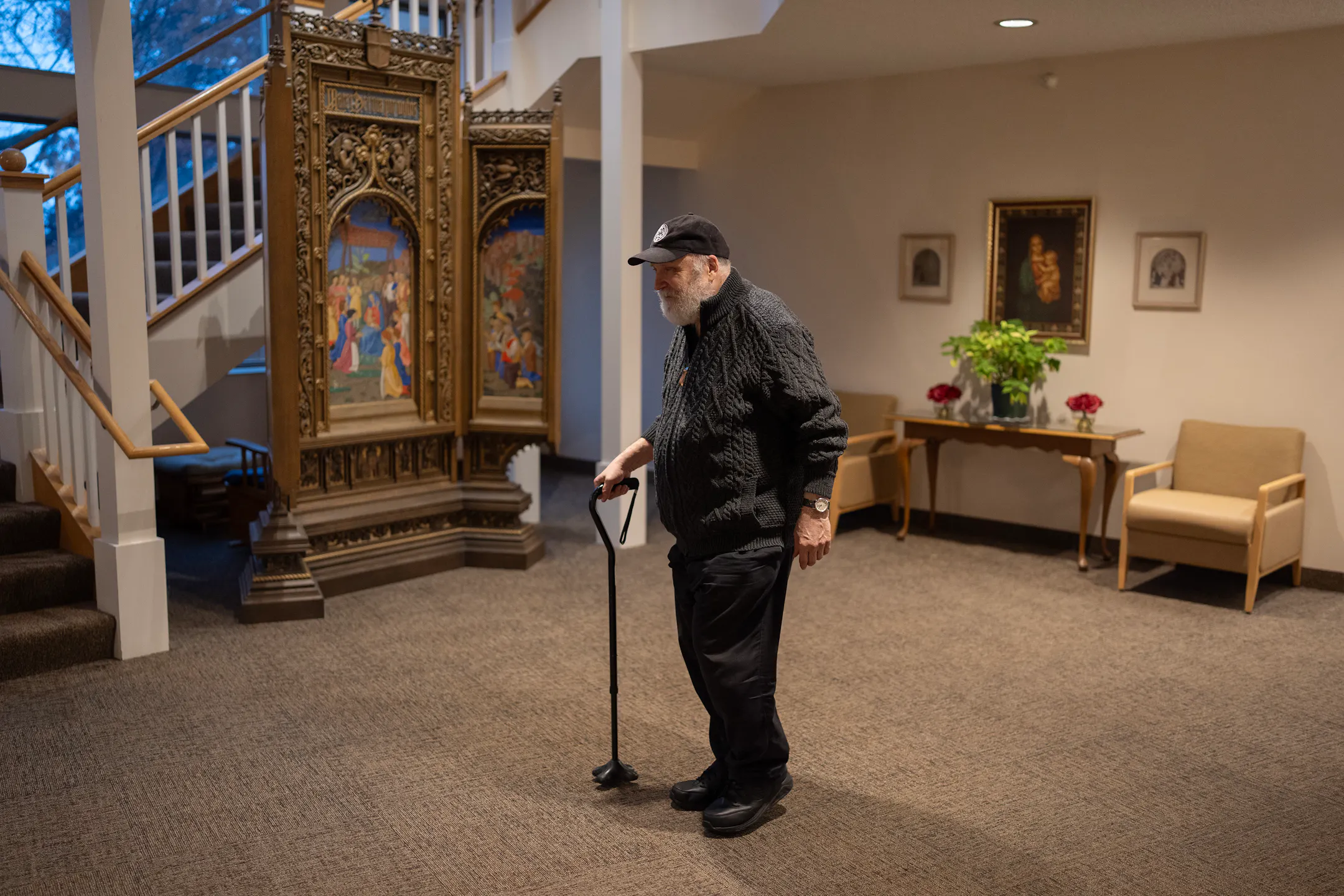
The Archdiocese of St. Paul and Minneapolis, with just under 100 retired priests and about 300 active priests, renovated the Leo C. Byrne Residence on the University of St. Thomas seminary campus. The 29 apartments are for independent living; rent covers meals, housekeeping and laundry, though some residents prefer to cook and do their own laundry. The Rev. Tom McDonough, 71, moved in mid-October and added a faux fireplace to make the space feel like home. “Unlike other careers, you don’t stop being a priest just because you’re retired,” said the Rev. Rick Banker, director of the Byrne Residence and a resident there.
Mary Beth Sullivan, the archdiocese’s social worker for clergy, keeps an office in the building. She helps priests with Medicare, medical bills, transportation, home care, health care directives and estate planning.
A nurse visits monthly to monitor health concerns and coordinate services such as haircuts and exercise classes. “Every day can be different for what comes up and what path I go down to help somebody,” Sullivan said. “It’s nice for them to have someone who knows the resources out there for them.”
Residents describe a built-in support network.
“We all know each other’s lives and what they were like before coming here,” said the Rev. Pat Hipwell, a Byrne resident. “So there’s both a professional and also a fraternal understanding.”
The Rev. Tom Krenik, another resident, said the setting allows flexibility: “We have the ability to say yes and no. Here we can make choices about how much involvement we want and what we want to continue to do in terms of ministry.”
Mental health support expands nationally
After a Florida bishop asked Marissa Guarino and her husband to assess diocesan health care needs, Guarino, CEO and co-founder of MetaCare, started ClergyCare. The service now supports retired priests in more than 20 dioceses across the country. The Diocese of Crookston in northwestern Minnesota is the only Minnesota diocese using it so far. Ellie Schmitz, Crookston’s ClergyCare care manager since fall 2025, works with more than 50 active and retired priests.
She accompanies them to medical appointments, advocates during hospital stays and arranges post-discharge care. “It’s just this huge gap in support for them,” Schmitz said. Loneliness, depression and anxiety are common, particularly for priests without close family nearby. Because ClergyCare operates outside diocesan human resources offices, priests have a confidential outlet for health concerns they might not raise with their bishop or church staff.
Archdiocese funds residence to keep rent at $1,355
The Archdiocese of St. Paul and Minneapolis subsidizes the Leo C. Byrne Residence so retired priests pay about $1,355 a month in rent, Star Tribune reported. The 29-unit building on the University of St. Thomas seminary campus was recently renovated for independent living.
Before this option opened, most retired priests remained in parish housing or church rectories, which could be isolating depending on the setup and their mobility.
Social worker helps retired priests
Mary Beth Sullivan, the archdiocese’s social worker for clergy, keeps an office in the Byrne Residence and assists retired priests across the archdiocese, Star Tribune reported. She helps with Medicare, medical bills, transportation, home care, health care directives and estate planning, and encourages prepaid funeral arrangements before a crisis forces those decisions.
Sullivan also assists independently living priests elsewhere in determining when a move to assisted care may be needed.
Housing gap persists in rural dioceses
Schmitz said some of the biggest challenges arise when a priest retires and must leave parish housing to make room for an active priest. The Diocese of Crookston has no dedicated retirement residence. She has helped priests find apartments, furnish them and learn to cook after decades in church-provided housing.
“I’m really jealous of all of the dioceses that are making these retirement homes,” Schmitz said. “It’s really amazing.” The Diocese of Fargo recently opened an eight-apartment retirement home for clergy, a model Schmitz wishes Crookston could replicate.
Keep reading

Laba Scores First Goal as Rangers Beat Flames 1-0
Noah Laba scored his first goal of the season at 3:48 of the third period and Joonas Korpisalo...

Jonathan Taylor Snaps 18-Game 100-Yard Drought With 2 First-Half TDs vs Giants
Indianapolis Colts running back Jonathan Taylor rushed for two touchdowns of 30 yards or longer in the first...

Natural England to Take Precautionary Approach to Beaver Releases After bTB Found in Two Wild Beavers
Natural England will take a “precautionary approach” to future beaver releases after two wild beavers in south-west England...

Clubhouse Hawaii Launches 2027 Winter Golf League With Big Island Trip Grand Prize
The Clubhouse Hawaii will launch an eight-week winter golf league on January 18, 2027, offering 36 golfers virtual...