
Rising water from the St. Johns River and days of heavy rain have left Central Florida farm owners scrambling to move horses and farm animals to dry ground.
As flooding spreads across Central Florida, the latest round of severe weather has left behind a familiar trail of partially submerged cars, impassable roads, and waterlogged properties. For many equine facilities, however, the stakes involve the urgent evacuation of large animals.
At Harmony Farms in Rockledge, executive director Jeanine Allen said the flooding has been unlike anything she has seen before. Water at the therapeutic horseback riding facility rose more than knee-deep as another round of heavy rain soaked the property.
The farm had already flooded once about two weeks earlier, but the water continued to rise when storms hit again on Sunday. By Wednesday night, floodwaters had entered the barns and ruined equipment that had survived the initial deluge.
“The stalls are wet, tack rooms are wet, feed rooms are wet. Basically, anything that’s left there is unusable,” Allen said.
Allen estimates the damage will cost between $50,000 and $100,000 to repair and replace. Everything from the riding arena, fencing, and saddles and bridles to a mobility-accessible ramp utilized by clients is accounted for within that sum.
St. Johns River to approach critical flooding stage west of Cocoa on Saturday, after record rains. https://t.co/wjkDVLzsus
While Harmony’s 13 horses were moved off the site two days before the latest rain, other horse owners have not had that kind of head start.
According to Florida Equine Disaster Response Central Florida coordinator Gina Ansaldo, certain owners lack the necessary trailers and trucks for horse transport, while others are entirely without a destination for them.
The nonprofit has been helping coordinate dozens of evacuations, connecting horse owners with transportation and finding dry spots for animals. Prolonged exposure to standing water can cause skin and hoof problems in horses, and animals left standing in cold water for too long can develop hypothermia.
The flooding has presented an unexpected challenge for owners more accustomed to preparing for hurricanes. Ansaldo said that the event serves as a wake-up call for year-round disaster preparedness.

Amid the destruction, the equestrian community has rallied. Allen reported that people from across the county have brought trucks and trailers to help move animals from Harmony and surrounding properties. Volunteers have also traveled to other flooded facilities, including Blue Lake Equestrian farm, to help relocate horses to a safer property in Mims.
The municipality collaborated with Brevard County Commissioner Rob Feltner to secure 15 dry Wickham Park horse stalls for the displaced livestock in Melbourne, as stated by Mayor Paul Alfrey, and these spaces have steadily filled up since.
For now, Harmony’s therapeutic riding programs for children with special needs remain on hold, and Allen expects the horses could stay off-site for up to three months. According to the National Ocean Service, a strong to very strong El Niño is underway and expected to persist through the winter and into early 2027, bringing wetter, stormier conditions during what is typically the state’s dry season.
“This is going to be a regular occurrence, I think,” Allen said.

Denver to Close Stone Creek Hotel Homeless Shelter in May 2026
Denver will shutter its first hotel-based homeless shelter at Stone Creek in May 2026, removing 182 noncongregate rooms...
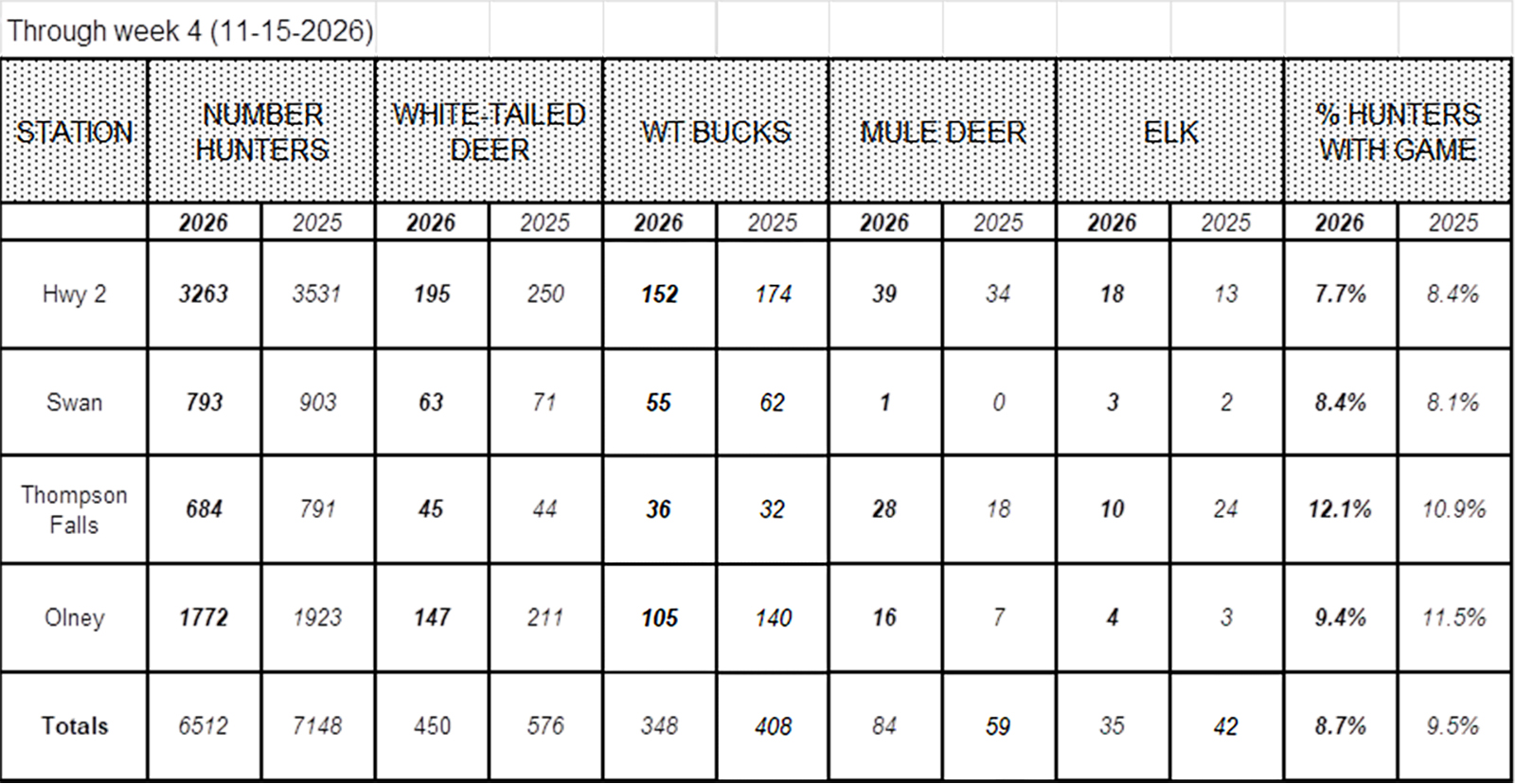
Colder Weather and Deer Rut Boost Hunter Success in Northwest Montana
Northwest Montana hunters found better luck at regional game check stations as colder weather arrived and the annual...

American Airlines A319 Declares Mayday After Trailing Crew Reports Engine Flames
Flames visible from an engine on November 19 forced an American Airlines Airbus A319 carrying 120 people to...
Study: Data Centers Disproportionately Placed in Black, Latino, Asian Neighborhoods Nationwide
"We would’ve never purchased a house if we knew a data center was coming," Zakiya Mabery told Capital...