
Treasurer Jim Chalmers confirmed “substantial” net spending cuts for December’s mid-year budget update as Australia faces stagflation, with inflation and unemployment both at 4.9%.
The Mid-Year Economic and Fiscal Outlook (MYEFO) will deliver savings that “more than cover any new spending,” Chalmers told parliament on Monday, ABC reported. “We know that no realistic amount of savings makes inflation go away, but too much new spending can make it worse,” he said. “We understand and embrace our role in the fight against inflation… Cutting spending enough, without threatening growth.”
Stagflation warning from industry
The Australian Industry Group said the economy is “clearly in stagflation territory” and demanded MYEFO make inflation-fighting its centrepiece. Chief Executive Innes Willox said the October CPI surge to 4.9% “cannot be solely blamed on fuel and energy prices,” citing rising costs across education, childcare, insurance and health services.
“With inflation and unemployment both now at 4.9%, and forecasts pointing to more pain to come, we are clearly in the stagflationary context industry and economists have been warning of for months,” Willox said. “The RBA cannot come to the rescue, and the impact of five interest rate rises is still to be felt across the economy.”
Growth forecasts slashed
Treasury now expects growth “well below” 2% for the next two years, down from the May budget forecast of 1.75% this year recovering to 2.25% in 2027-28. Inflation is not expected to return to the RBA’s 2-3% target band until the end of 2027, while unemployment will likely peak above 5%. “2026 has been a very tough year for our people, our economy and the world. No use pretending otherwise,” Chalmers said.

Macquarie Bank puts the recession risk at 50%, with chief economist Ric Deverell warning of a possible contraction in the December quarter. Deutsche Bank forecasts 1.5% growth for 2027 — among the slowest in the rich world — and says Australia’s 4.85% cash rate, the highest among G10 economies, leaves a “narrow path to avoid recession,” The Nightly reported.
Political pressure mounts
The Guardian Essential poll shows Prime Minister Anthony Albanese’s net approval plummeting 10 points in a month, with 60% of voters saying the country is on the wrong track. Opposition Leader Angus Taylor predicted Labor could call an early election to “cauterise its wounds,” telling parliament Chalmers “can’t manage money” and “Australia is on a road to economic ruin.”
Chalmers rejected calls to step aside. “I think I’ve made it clear to you, Sally, we’ve had this discussion before and with others up and down this hallway in the Parliamentary Press Gallery over time,” he told reporters Tuesday.
Cuts to hit renewable programs and public service
Popular renewable energy programs face reductions, including subsidies for home batteries and electric vehicles, as well as the 196,000-strong federal public service, The Guardian reported. Finance Minister Katy Gallagher flagged public service “belt tightening” earlier this month, while Energy Minister Chris Bowen hinted EV and battery subsidies would be assessed.
Economist David Koch criticised the NDIS on 7NEWS: “I think we should have it but it’s grown so much… To come in quadruple the budget is enormous.” He noted the government’s pledge to cap NDIS growth at 5-6% remains “way above inflation.”
Coalition accused of hypocrisy on savings
Chalmers accused the opposition of opposing savings measures before the Senate, including reducing the private health insurance rebate for over-65s. “They say it’s about spending, then they vote against it,” he told parliament. Shadow Treasurer Tim Wilson said the Coalition would budget for higher prices.
Chris Richardson, a forensic budget watcher, warned no amount of savings would make 4.7% inflation disappear, but new spending would worsen it. “It is way too easy for opposition parties to support the need for restraint in general, but to always come up with reasons to avoid it in the particular,” Richardson told The Guardian.
MYEFO is due in mid-December. Chalmers said the government is also working on a $10bn productivity package to cut compliance costs across telecommunications, energy and tax, with a second stage planned for next year’s budget.
DC Launches Economic and Trade Attaché Association to Link Diplomats and Business
Washington launched the Mayor’s Economic and Trade Attaché Association on Nov. 19 to link foreign diplomats with local...

Ohio Mugshot Access Governed by Public Records Law
Public access to booking photographs in Ohio operates under state public records laws, dictating how citizens and media...

Spurs at Trail Blazers: Wembanyama Questionable, Fox Out for NBA Cup Game
San Antonio travels to Portland Wednesday for an NBA Cup game at 9 p.m. CT on ESPN, with...
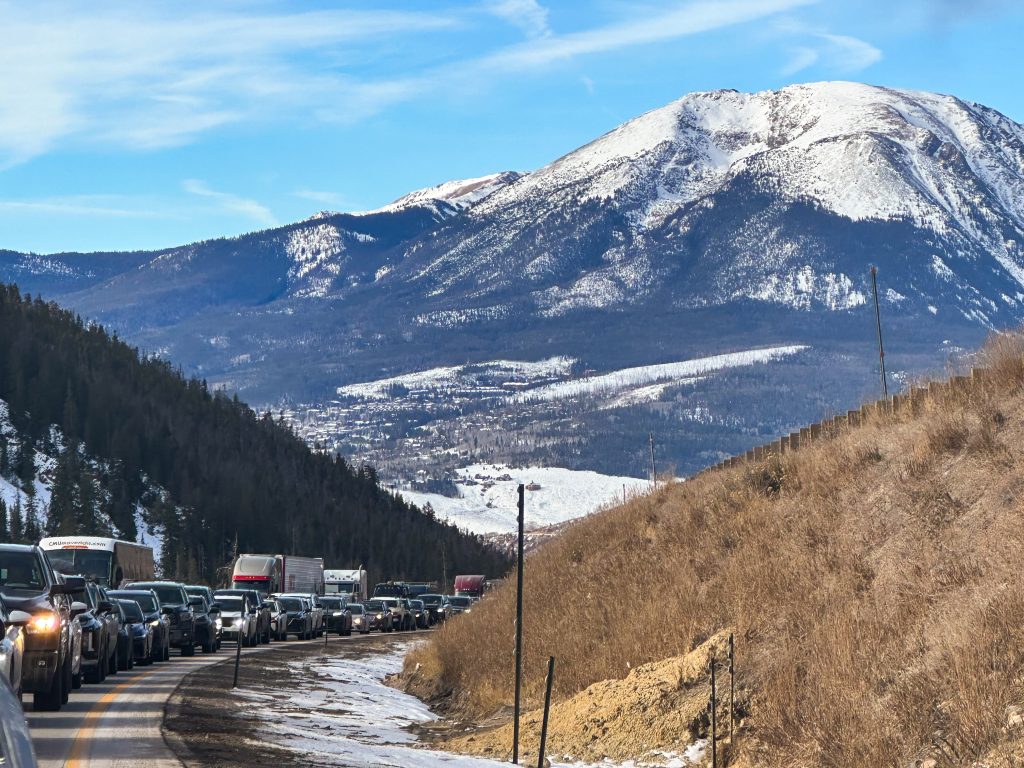
CDOT Halts Construction, Sets I-70 Peak Traffic Times for Thanksgiving Travel
Colorado drivers should anticipate additional traffic on roadways starting Wednesday, with westbound I-70 traffic building around 8 a.m....