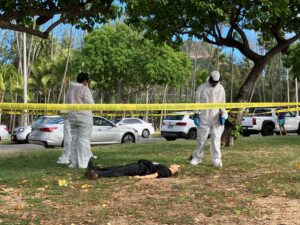
“This is definitely what you come and join Chaminade for,” Loro Gambi said, describing the shift from classroom lectures to a public beach where tourists gawk at police tape.
Chaminade University of Honolulu forensic science students processed two mock homicide scenes at Kaimana Beach Park this week, moving their annual field exercise out of the campus Crime Scene House and into the wind, sand, and foot traffic of Waikīkī. The drill, run by the university’s Forensic Sciences program, split the class into two investigative teams led by student lead investigators Gambi and Sanoe Nakasone-Kalani.
Carlos Gutiérrez Ayala, Ph.D., assistant professor of forensic sciences and program director, secured permits from the Honolulu Department of Parks and Recreation to stage the scenarios with synthetic blood, dummy victims, and toy firearms.
“The only difference here is the dummies and the blood; of course, we use synthetic blood, not real blood, and the firearms are kind of toys,” Gutiérrez said. “Probably in a real scenario you will see more police officers around, but this is similar.”
The fieldwork unfolded in two segments, Monday and Wednesday, to accommodate the cohort size. Each team must now link evidence collected on the beach to prior lab analyses, draft reports, and eventually testify in a simulated court proceeding where they defend their findings under cross-examination.
“I don’t want to give out facts way too early,” Gambi, a forensic science major in the class of 2028, said. “We definitely have to wait for a lab report and actually analyze that and compare that because this is a second scene. It’s not our actual primary scene.”
Gambi confirmed both scenarios involved gunshot wounds but declined further detail, mirroring the operational security expected of working investigators. Nakasone-Kalani, class of 2029, leading the second team, was equally guarded.
“I would say he seems to have a gunshot wound in his head, and we know that he was taking some sort of drugs, and that’s all we know at the time,” she said. “Once we collect all the evidence, we’ll take it up to the lab and then do lab testing.”
The exercise tests more than evidence collection. Students must manage onlookers, preserve chain of custody in an uncontrolled environment, and translate field observations into courtroom-ready testimony — skills that textbooks and the campus Crime Scene House cannot fully replicate. Signs posted at the park reassured the public that the scenes were staged, though the realism prompted genuine concern from passersby before they read the notices.
Gutiérrez emphasized that the beach deployment adds environmental variables — lighting, tide, wind, civilian contamination — that force students to adapt standard protocols. The program’s integration of lab work, field processing, report writing, and mock testimony mirrors the full investigative pipeline graduates will enter, whether in medical examiner offices, police crime labs, or federal agencies.
Chaminade University of Honolulu, a private Marianist institution founded in 1955 by the Society of Mary, traces its roots to eight Marianist priests who arrived in Honolulu in 1883 to establish Saint Louis School. The university evolved from Saint Louis Junior College into a four-year college in 1957 and gained university status in 1977 with the addition of graduate programs.
Its Forensic Sciences program operates within the College of Arts and Sciences, one of four academic colleges on a campus situated two miles from Waikīkī at the base of St. Louis Heights.
Next week, the teams present their hypotheses, linking the two scenes or ruling out a connection, before the simulated court phase begins. The verdict isn’t a grade — it’s a rehearsal for the moment a real jury weighs their work.
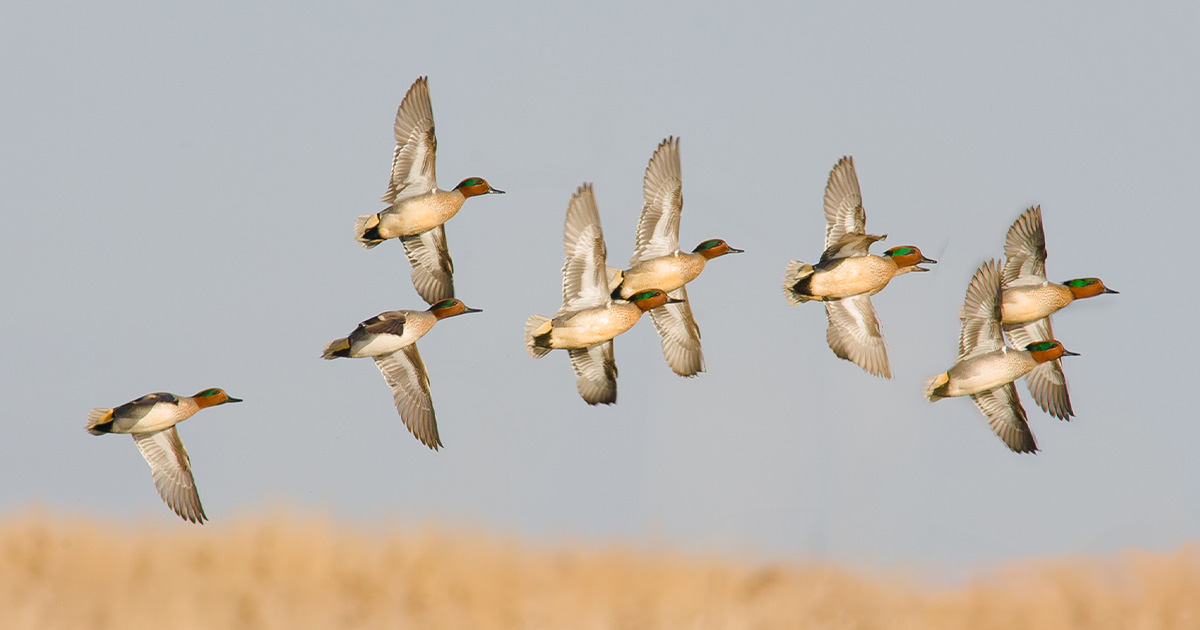
Louisiana Duck Hunters Report Strong Opener Despite Drought, Low Survey Numbers
Louisiana duck hunters enjoyed a strong opening weekend across the coastal marshes despite a November aerial survey that...
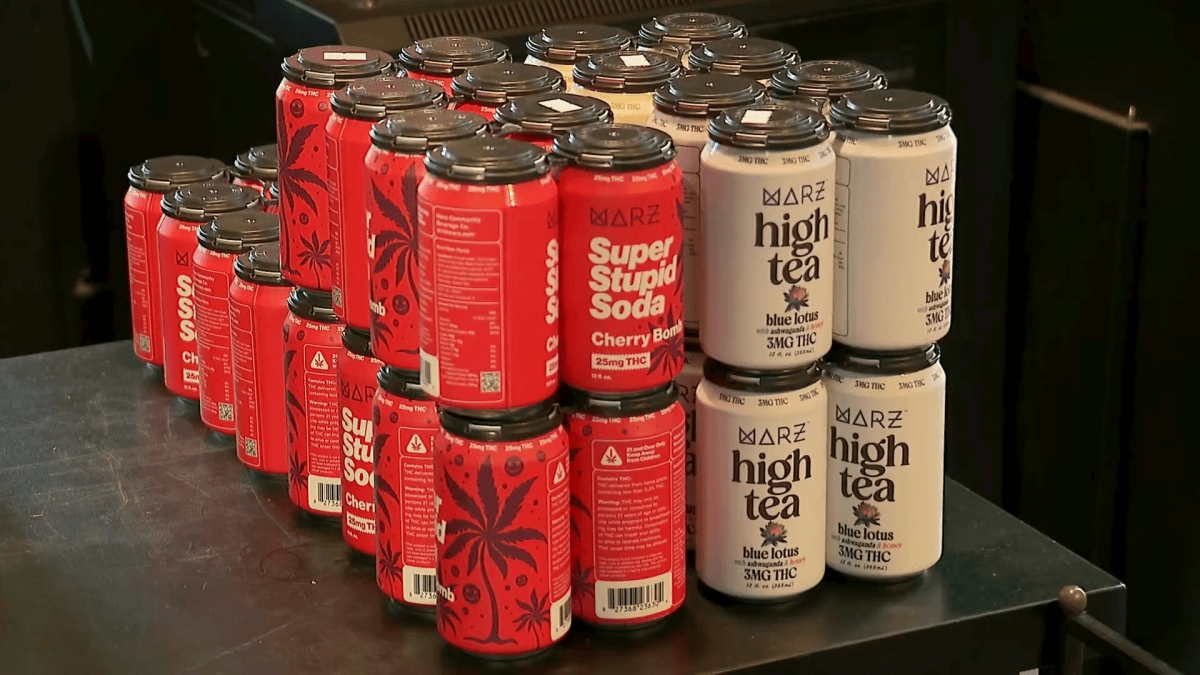
Judge Denies Injunction; Illinois Hemp THC Sales Restricted to Dispensaries
"We're not gonna be done fighting. We're gonna continue fighting this as far as we can," said Craig...

Philippines Wins Seven Golds at IFMA Youth Worlds in Olympia
In Olympia, the birthplace of the ancient Olympic Games, Muaythai’s next generation turned a world championship into a...

Varroa Mites Detected on Kauai for First Time, Ending Island’s Pest-Free Status
Varroa mites have been confirmed on Kauai for the first time, ending the island's status as one of...