
Channel sole stocks have collapsed, prompting scientific advisers to recommend an 87 percent quota cut for 2027 that French fishermen say will leave boats tied up at the dock next spring.
The International Council for the Exploration of the Sea (ICES) has set a catch limit of 163 tonnes for the eastern Channel — stretching from the Belgian border to the Gulf of Saint-Malo — down from 2025 levels, RTÉ reported.
“It’s heartbreaking,” said Dimitri Rogoff, president of the Normandy Fisheries Committee. “Sole is what has put food on my table for 30 years. I never thought I’d see this in my lifetime.” He called the crisis “a complete failure in resource management.”
Quentin Yonnet, 45, who operates a trawler from Port-en-Bessin, predicted the reduction will be catastrophic. “In the spring, the boats will be left tied up at the dock, and some will end up for sale. It’s as simple as that,” he said. Yonnet said about 150 boats in Seine Bay depend on sole shared with trawlers from Britain and Belgium.
“It’s become very difficult to find, and there’s a good chance we’ll have to take it off the menu next year,” she said.
“But there is no longer enough to be found in Normandy, so we’re bringing it in from Brittany” at increasingly prohibitive prices. “Even mackerel is becoming hard to come by,” Germain added. “Moving forward, we’ll inevitably have to cut back on these types of fish.”
Scientists say the stock has not recovered despite years of reduced catches. In the early 2000s, trawlers landed up to 5,000 tonnes a year in the eastern Channel.
“Since 2015 we have seen a continuous reduction in fishing, yet the stock is not recovering,” said Raphaël Girardin, a fisheries scientist at France’s main sea institute IFREMER. The surviving sole are also getting smaller. “We haven’t identified a specific culprit,” Girardin said, though he pointed to “environmental factors.”
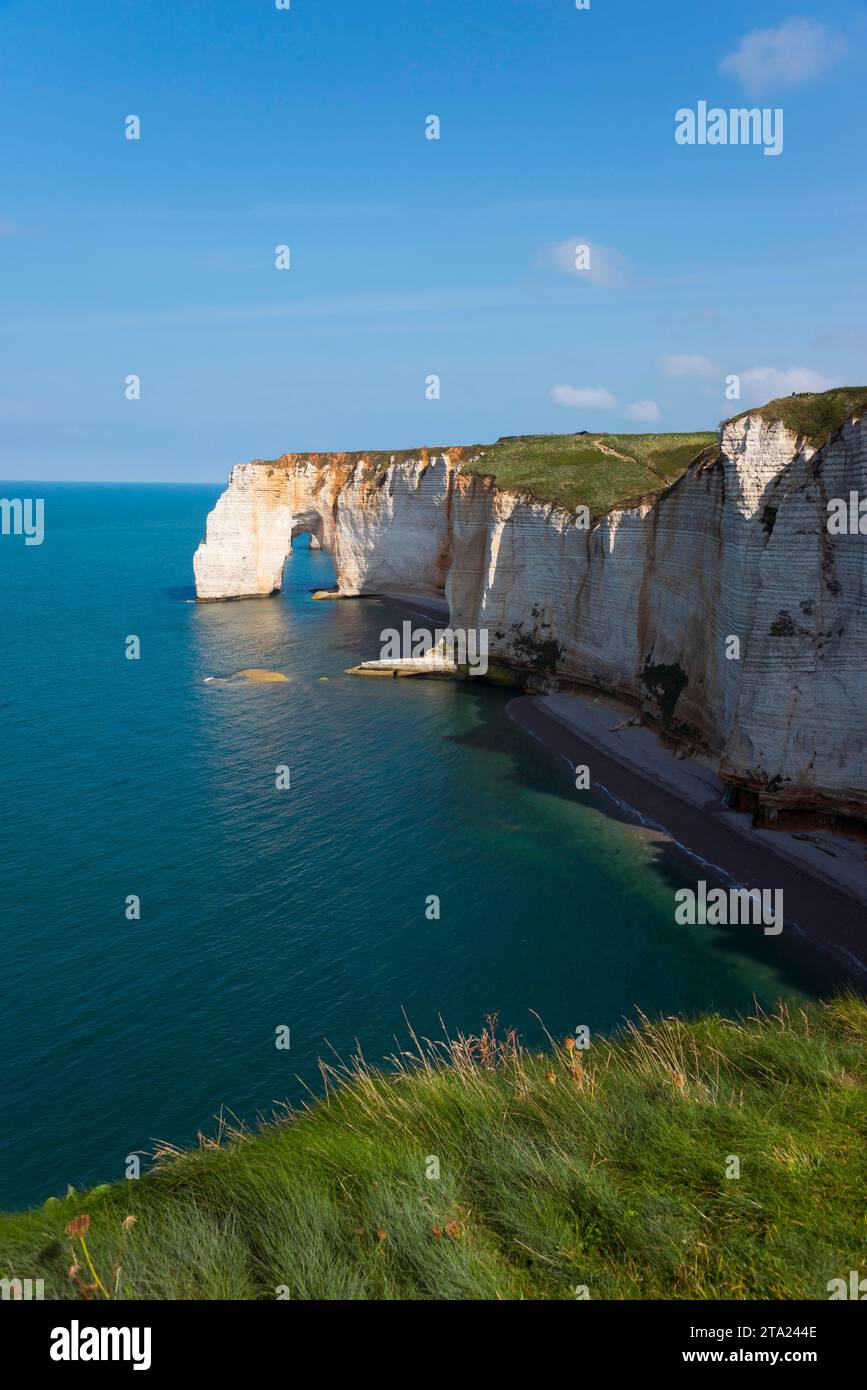
Habitat loss compounds the problem. Over the past two centuries, Seine Bay has lost a third of the intertidal mudflats that serve as nurseries for juvenile sole, much of it dredged to allow larger vessels into the Seine. Olivier Le Pape, a fisheries ecology researcher at L’Institut Agro, said that if the bay were in its 19th-century condition there would already be 20 percent more fish.
Le Pape, who has studied a similar decline in the Bay of Biscay, said the collapse appears to begin at the larval stage. “Plankton may be changing or their may be problems with the timing of the larvae hatching and the plankton blooms,” he said, adding that could be more fallout from global warming.
Keep reading

Bandai Namco Unveils Gundam SEED FREEDOM Zero Trailer and Theme Songs
Bandai Namco Filmworks dropped the full theatrical trailer and a new key visual for Mobile Suit Gundam SEED...
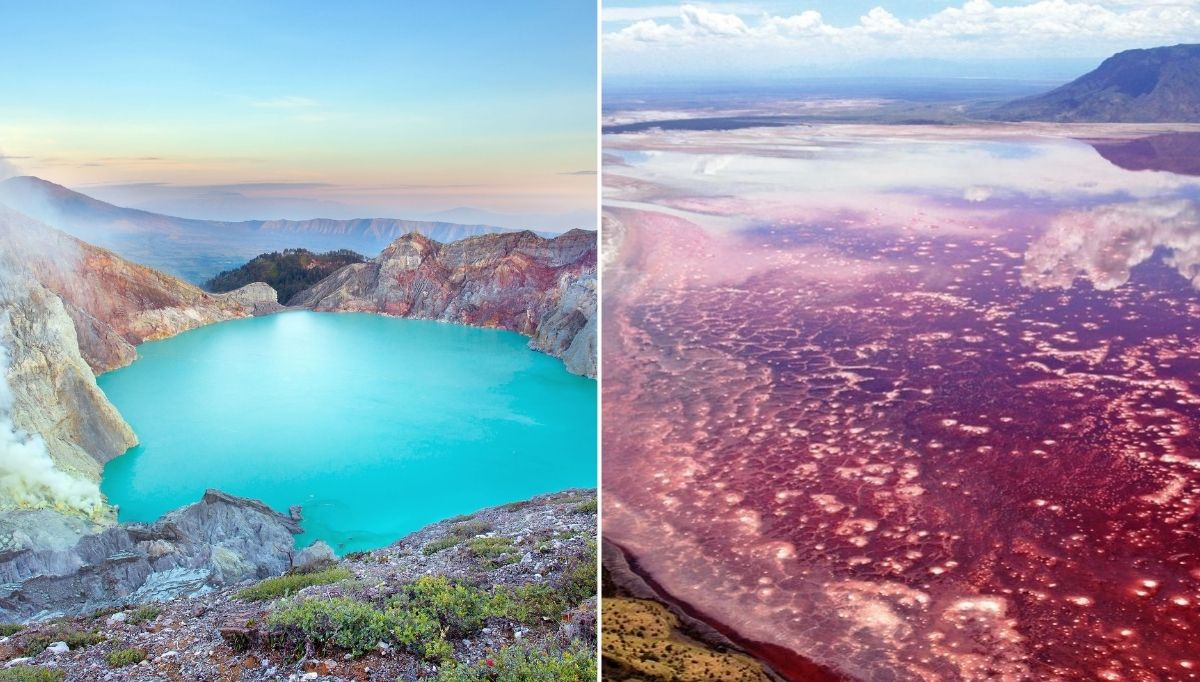
Various Lakes Pose Dangers From Radiation, Gas, Drowning, and Chemistry
Lake Karachay took in 4.44 exabecquerels of radioactivity. By 1990, an hour near its discharge point was lethal....
10-Year-old Boy in Pakistan Found With Fetal Skeleton in Abdomen
A 10‑year‑old boy in Pakistan was found to have a 14‑centimetre mass containing a well‑formed fetal skeleton, a...

ASEAN Tourism Faces Cost and Geopolitical Hurdles for 2027 Growth
Southeast Asia welcomed about 147 million international visitors in 2025, with roughly 42 percent from within the region....