
Charleston County Council approved the largest single land purchase in the history of its greenbelt program on Nov. 10, spending $10 million to conserve 2,364 acres of timber land near Adams Run that will become a state forest with public access.
The deal passed on a 5-4 vote after Councilman Rob Wehrman flipped his position at the last minute. Council members Teddie Pryor, Brantley Moody, Kylon Middleton and Henry Darby voted no, arguing the Avocet Timber landowners offered too small a discount — just over $1.3 million off the appraised value.
The South Carolina Conservation Bank contributed about $8.5 million toward the acquisition, and the Open Space Institute will facilitate the transfer to the state.
“That is land that will be forever preserved — land that makes this a special place to begin with.”
A decade of money and a shifting majority
The Avocet purchase anchors a batch of eight projects that conserved about 3,000 acres in a single meeting — about 10 percent of all land protected in the program’s three-decade run. That run has been bankrolled by two transportation sales taxes: $221 million in 2004 and $210 million in 2016. Voters just approved another sales tax extension worth $690 million for greenbelt work, but the political ground shifted the same night.
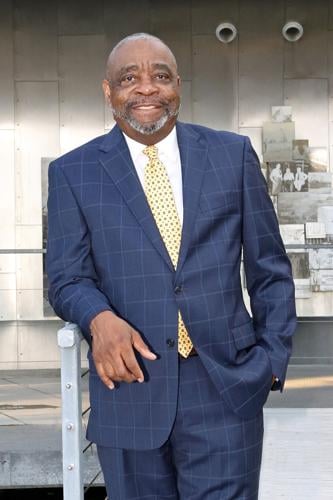
Boykin was ousted. Councilwoman Jenny Honeycutt, another greenbelt advocate, stepped down to run for Congress. Their departures could reshape county policy. Councilmen Pryor, Darby and Middleton routinely raise red flags regarding deals where the county buys development rights. Moody has long demanded more owner concessions.
The Hollywood tract approved the same night — 608 acres near S.C. Highway 162 that will nearly double the size of the adjacent Dungannon Heritage Preserve — came with a sale price cut by twice as much as the Avocet discount, and a path for the county to recoup $1 million from partners Open Space and Ducks Unlimited. That deal drew less resistance.
Urban pressure, rural skepticism
Greenbelt Director Eric Davis noted the Avocet acquisition is the largest single greenbelt project in the history of the program. But the vote exposed a fault line: many predict the next council won’t consider as many rural easements, particularly ones without public access, and may focus more on small tracts in densely populated areas such as North Charleston and unincorporated suburban nodes.
The council insists on an even spending split between urban and rural projects; the next council may interpret that mandate more narrowly.
“The Avocet sellers needed ‘more skin in the game’ than just knocking $1.3 million off their asking price.”
Moody said last week.
New council faces land-buying choices in January
The new council takes office in January. Council isn’t going to stop buying land or securing conservation easements — voters demand it, and allowing more farmland to become subdivisions would make traffic here even more untenable — but the council may get a lot pickier about which tracts it chooses to save.
Charleston County spans more than 587,000 acres. The question is how many of the remaining undeveloped ones the next majority agrees are worth the price.

Related reading
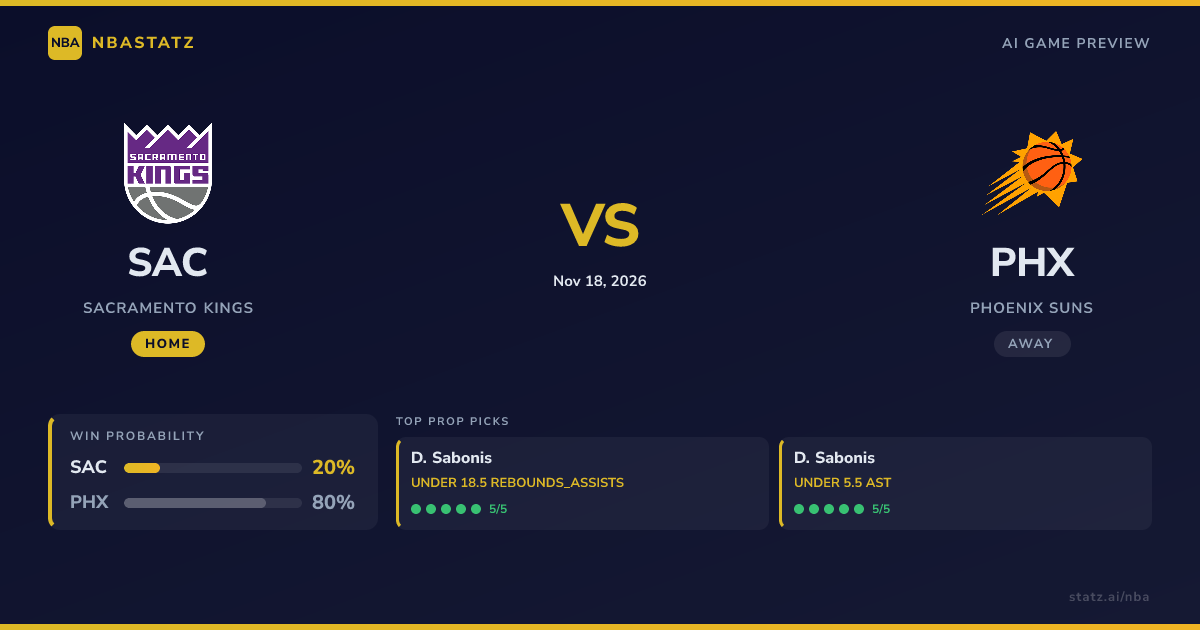
Phoenix arrives at Golden 1 Center on Wednesday
Phoenix arrives at Golden 1 Center on Wednesday as a 6.5-point favorite over a Sacramento team that has...

Peltola Says Alaska Voters Want Price Relief, Not Partisanship
Alaska's newly elected U.S. senator, Democrat Mary Peltola, said Wednesday that voters sent a "clear and resounding" message:...
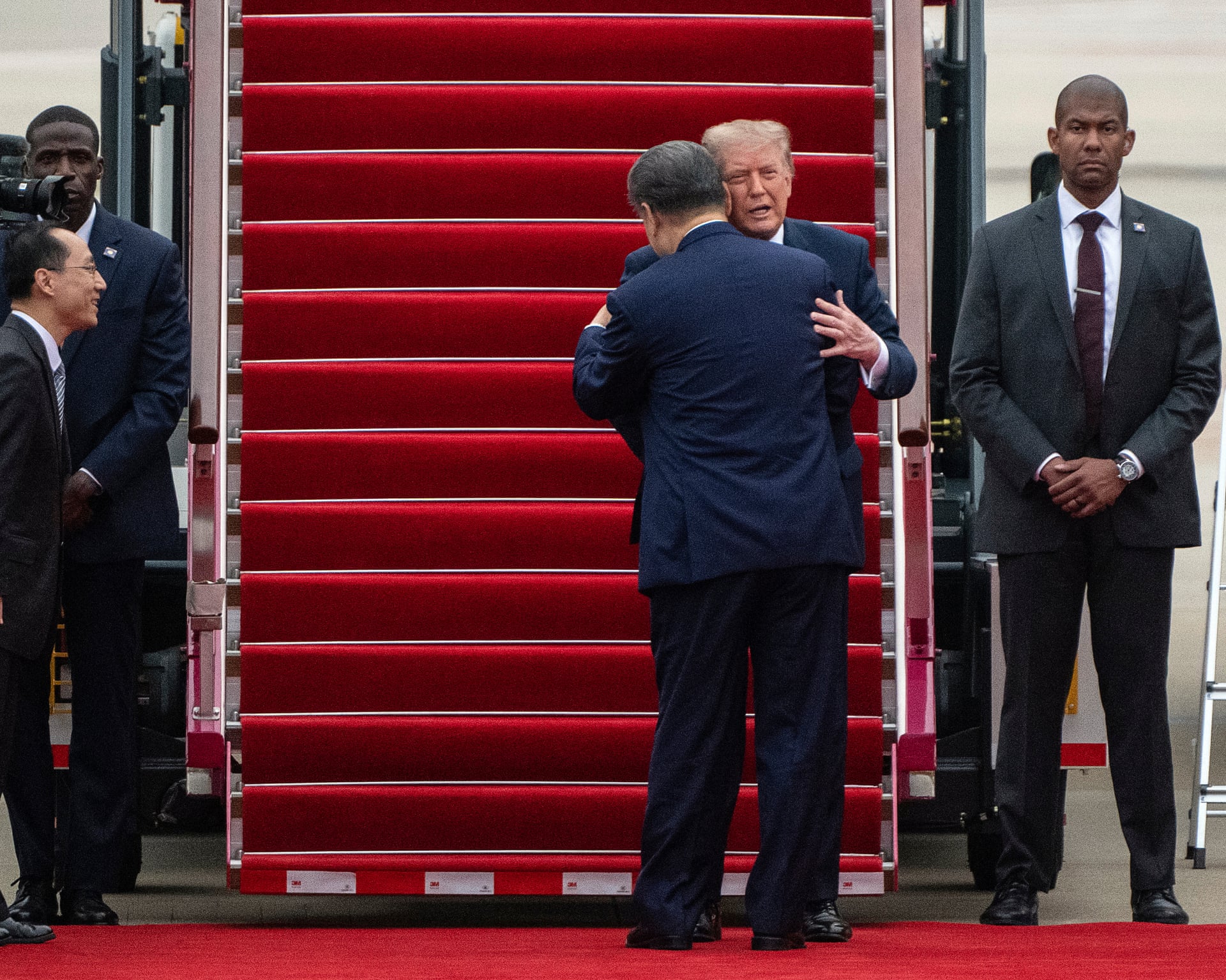
Xi Greets Trump at Shenzhen Airport Ahead of Trilateral Meeting
Chinese President Xi Jinping personally greeted Donald Trump on the tarmac at Shenzhen Bao'an International Airport on Wednesday,...

Alabama Injury Update: Desmond Umeozulu Out, Chuck McDonald III & William Sanders Uncertain vs. Chattanooga
Alabama coach Kalen DeBoer confirmed Tuesday that edge rusher Desmond Umeozulu will miss Saturday's game against Chattanooga while...