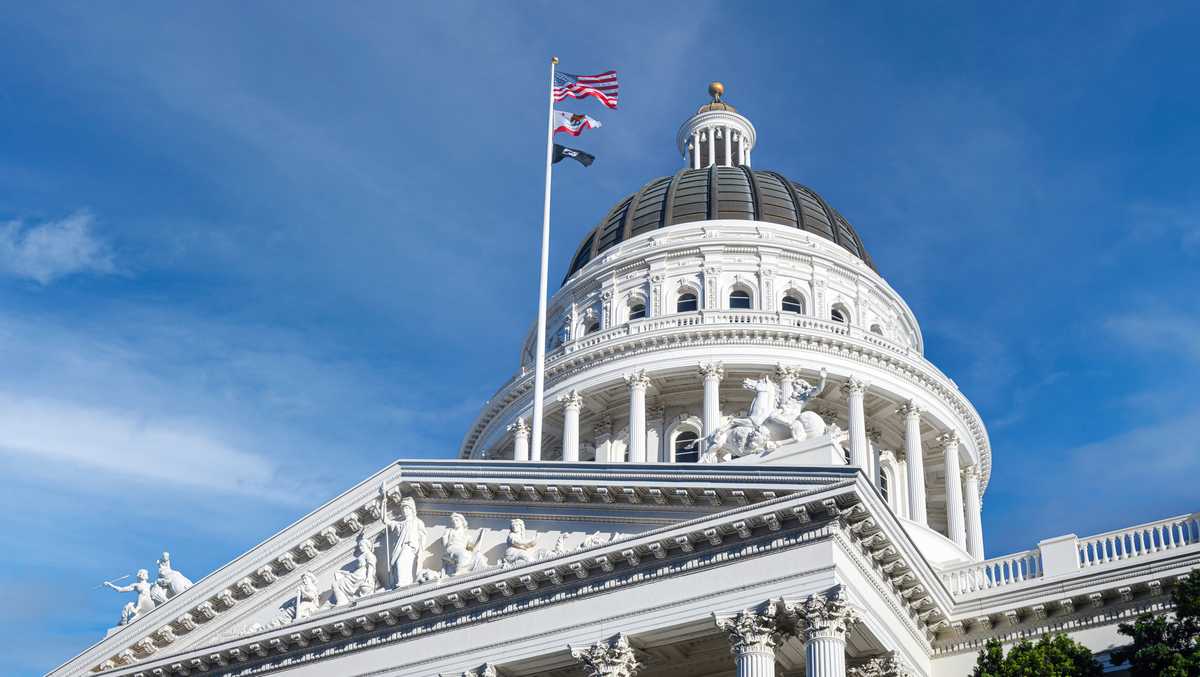
“Everything we’re looking at is really pointing to the fact that the market has gotten into what we described in classical speculative bubble territory at this point,” Legislative Analyst Gabriel Petek said Wednesday.
His office warned that California’s budget, propped up by an artificial intelligence-fueled stock surge, is unprepared for a crash.
The nonpartisan Legislative Analyst’s Office (LAO) projected a $2 billion operating deficit for Governor-elect Xavier Becerra’s first budget year, 2027-28, with shortfalls exceeding $15 billion annually thereafter — assuming no market crash.
If the AI bubble bursts in 2027, those annual deficits would double to over $30 billion through fiscal 2030-31, the LAO’s Fiscal Outlook report concluded. The warning arrives even as current revenues run $11 billion above June projections, the Los Angeles Times reported.
The Alpha Metric: Capital Gains Concentration
State income tax collections “grew at double the historical norm over the last three fiscal years” due to stock market gains and an AI boom, the LAO noted. Relative to corporate profits, stock prices now sit at historic highs rivaled only by the dot-com peak in 2000.
The LAO’s crash scenario models exactly that dynamic, projecting that reserves would be exhausted covering the 2027-28 gap, leaving structural holes averaging $30 billion annually with no fiscal cushion remaining.
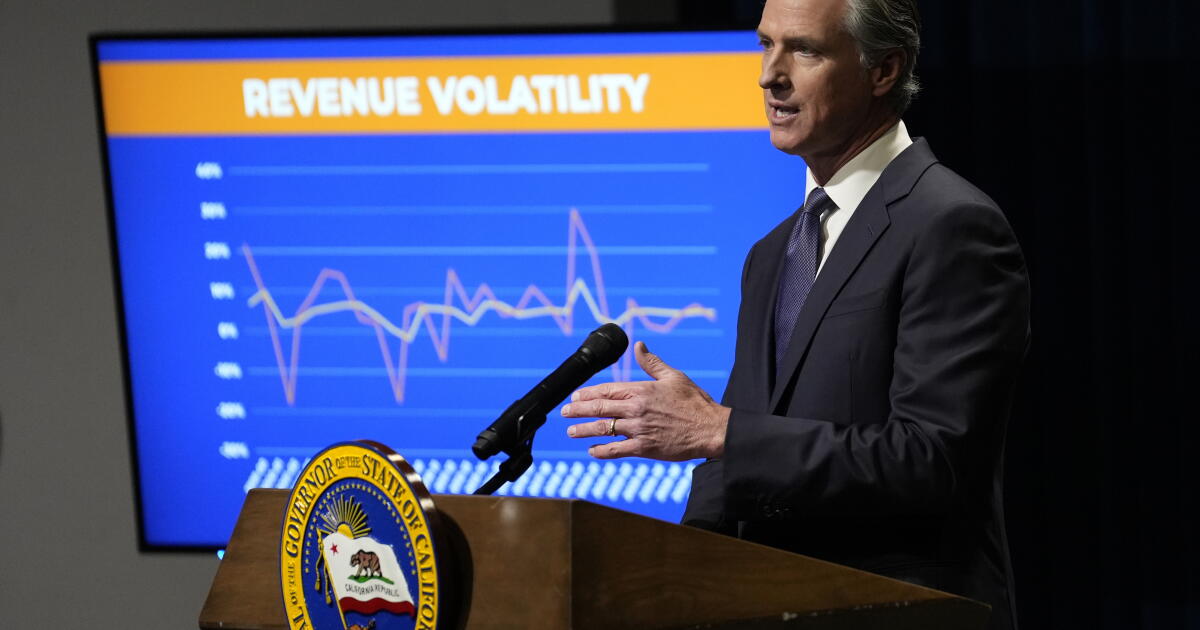
Deficit Widens to $15 Billion Annually
- Baseline deficit: $2 billion in 2027-28, widening to $15 billion+ annually without a crash.
- Crash scenario: Deficits balloon to $30 billion+ annually through 2030-31; reserves depleted by 2028.
- Revenue volatility: Tax collections running $11 billion above June estimates, but nearly $30 billion in accumulated budgetary debt remains on the books.
Newsom’s “Balanced Budget” vs. Structural Reality
Outgoing Governor Gavin Newsom has emphasized record venture capital inflows — $366 billion to California companies since the start of the year — and revenue surpluses as evidence of fiscal strength. His Department of Finance spokesperson H.D. Palmer noted the enacted budget was projected to balance for two years with positive year-end balances, enabled by historic reserves and Proposition 2’s expanded rainy-day capacity, approved by voters November 3.
The LAO dismantles that framing. “Today, the state has little one-time spending left to pull back, reserves are still being rebuilt, and past borrowing has left an accumulated wall of debt of nearly $30 billion,” the report says. Lawmakers have avoided cuts by delaying payments, shifting costs internally, and implementing new maneuvers — tactics now subject to lawsuits over healthcare and education fund shifts, KCRA reported.
Anthropic IPO Signals Market Froth
The report dropped on the eve of Anthropic’s planned initial public offering, a debut expected to create a massive windfall for its early investors and employees. But Petek warned the offering itself signals froth: “Every one of these indicators that we’re looking at is really at the highest point that they’ve ever been except for at the peak of the dot-com bubble.”
The LAO’s baseline already assumes revenue growth slows; it does not assume a crash.
Main Street Bridge: Services on the Chopping Block
If the crash scenario materializes, the LAO identified $15 billion in annual savings achievable only by reversing every major expansion since 2019, not including education funding increases.
For the millions of residents, this isn’t abstract.
Smart Money Tracker: Legislative Battle Lines Harden
Assembly Speaker Robert Rivas pledged to “continue to strengthen our reserves and protect health care, food aid, emergency response, and our schools.” State Senate Pro Tempore Monique Limón emphasized building reserves, paying down debts, and backfilling federal cuts from HR 1.
Republican Vice Chairman of the State Senate’s Budget Committee Roger Niello was blunt: “The stock market returning to more normal levels is a matter of when, not if. Bringing the state budget into balance in a way that works in good times and bad will help us avoid the pain of making even more drastic changes to Californians’ everyday lives. Otherwise, when the market eventually corrects, the consequences of today’s budget problems will catch up with us.”
Becerra’s spokesman Jonathon Underland said the Governor-elect is preparing a January budget proposal “committed to delivering a responsible, balanced budget that protects the services Californians depend on and focuses on bringing down costs.”
Precedent: The Dot-Com Blueprint
California has rehearsed this movie. The difference today: the structural deficit existed before the AI boom, masked by gains that the LAO now calls “characteristic of a familiar bubble.” Proposition 2’s higher reserve cap provides more runway, but the LAO projects roughly $26 billion in reserves by 2027-28, barely covering a single crash year.
Petek’s recommendation is unambiguous: treat every surplus dollar as one-time, deposit it in reserves, or retire the $30 billion debt overhang. “Just because the market has not gone down in the last 12 months as we thought was a risk, doesn’t mean that it won’t now,” he said. “In fact, all of the risk indicators that we were looking at last year have only intensified.”
The next milestone is Becerra’s January budget proposal. The market, as always, keeps its own calendar.
Disclaimer: The information provided in this article is for educational and market analysis purposes only and does not constitute financial, investment, or legal advice. Always consult with a certified financial professional before making investment decisions.
Related reading
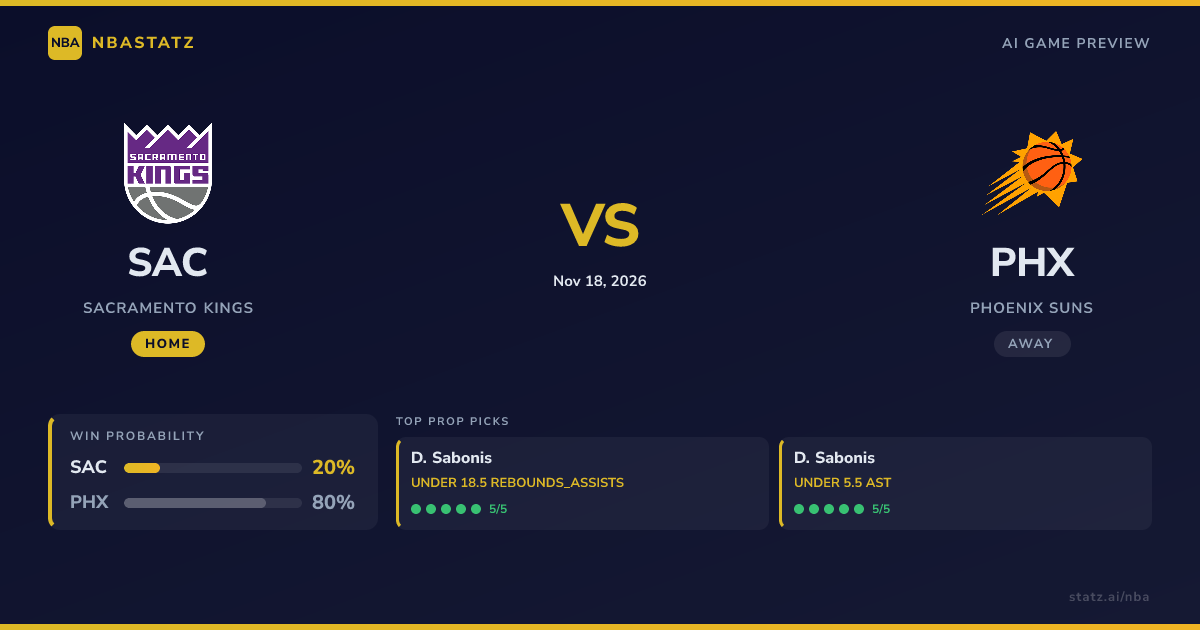
Phoenix arrives at Golden 1 Center on Wednesday
Phoenix arrives at Golden 1 Center on Wednesday as a 6.5-point favorite over a Sacramento team that has...

Peltola Says Alaska Voters Want Price Relief, Not Partisanship
Alaska's newly elected U.S. senator, Democrat Mary Peltola, said Wednesday that voters sent a "clear and resounding" message:...
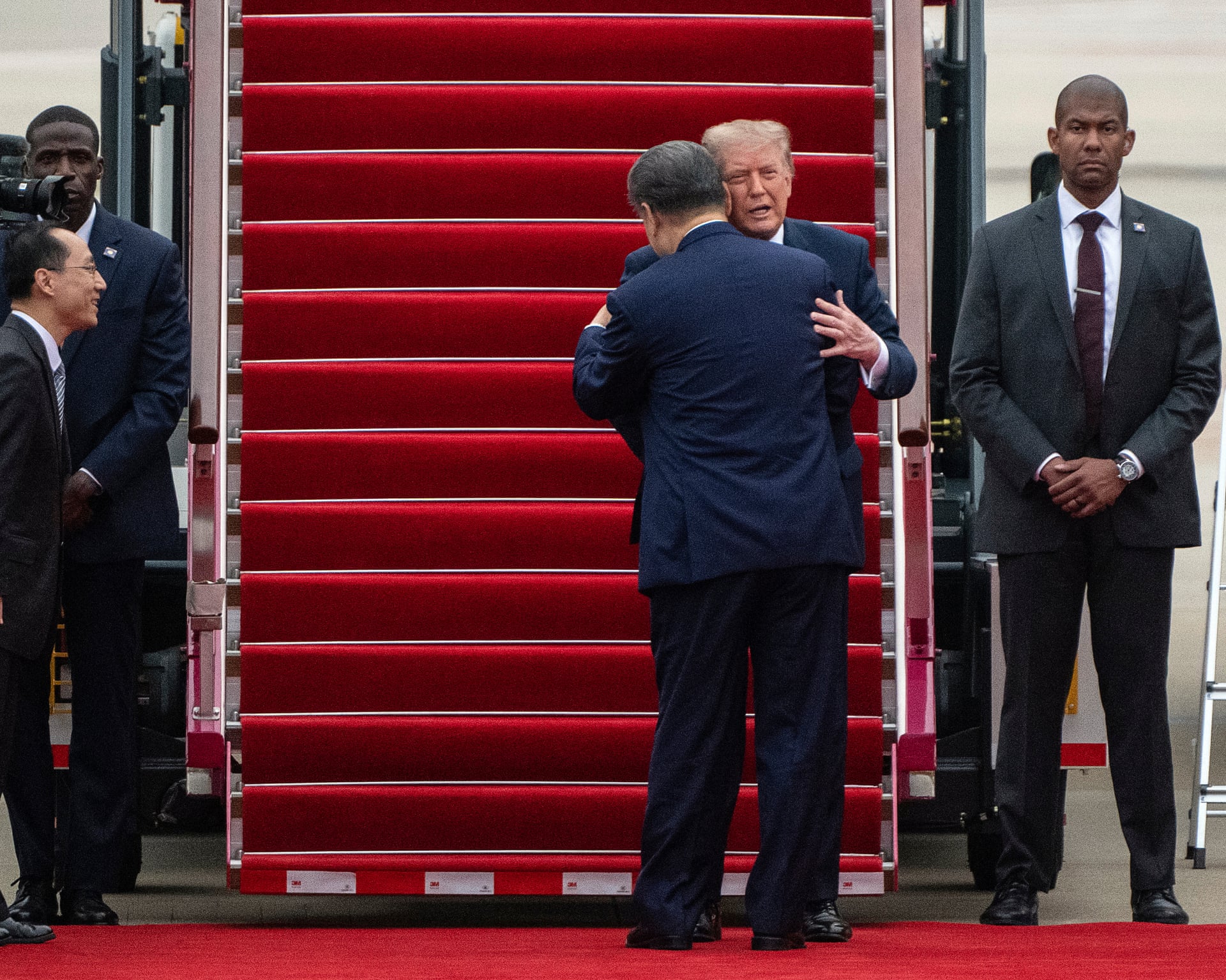
Xi Greets Trump at Shenzhen Airport Ahead of Trilateral Meeting
Chinese President Xi Jinping personally greeted Donald Trump on the tarmac at Shenzhen Bao'an International Airport on Wednesday,...

Alabama Injury Update: Desmond Umeozulu Out, Chuck McDonald III & William Sanders Uncertain vs. Chattanooga
Alabama coach Kalen DeBoer confirmed Tuesday that edge rusher Desmond Umeozulu will miss Saturday's game against Chattanooga while...