
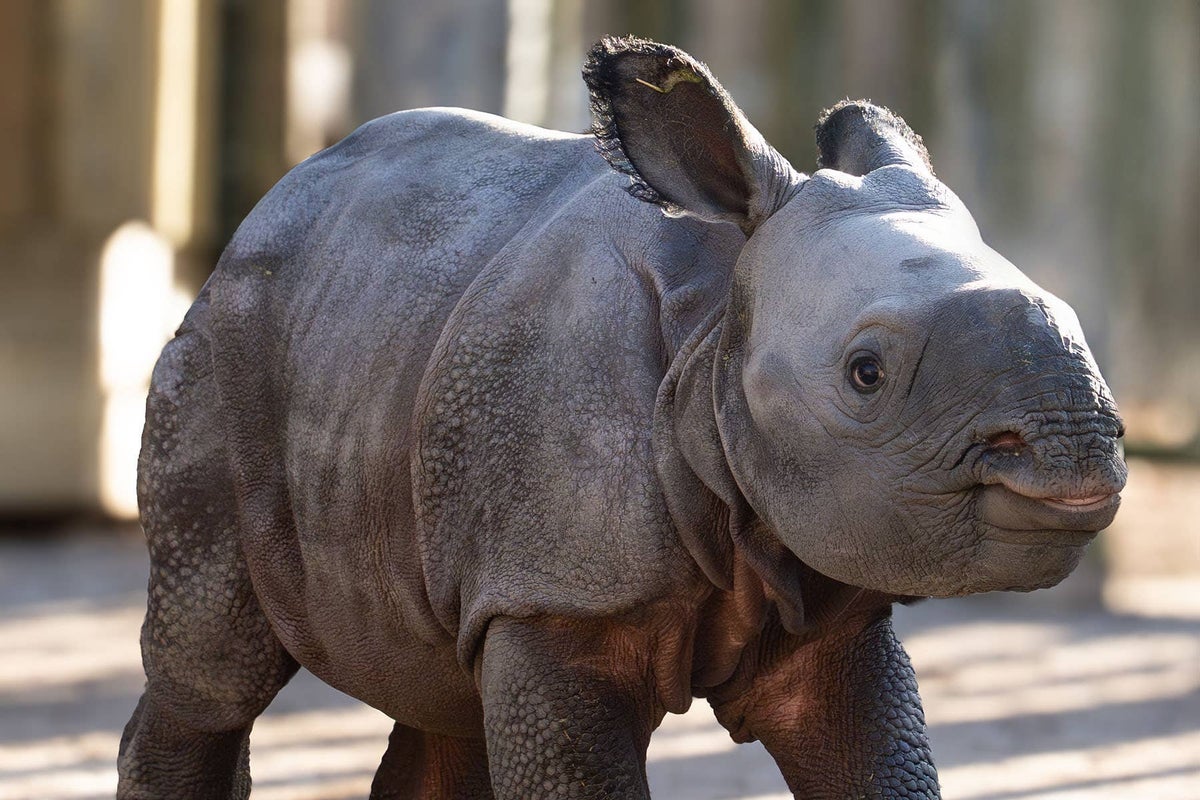
CCTV footage from Chester Zoo recorded a greater one-horned rhinoceros taking its first steps less than an hour after birth on November 11.
The calf, born to 19-year-old mother Asha after a 15-month pregnancy, is the fourth offspring she has produced with the late male Beni, who died earlier this year following a short illness. Both mother and calf are reported in good health and have begun exploring a secluded paddock.
Greater one-horned rhinos number around 4,000 in the wild, concentrated largely in a single national park in India, leaving the species vulnerable to disease outbreaks and environmental shifts. The European conservation breeding programme aims to maintain a genetically diverse population in human care. Asha is one of only a few actively breeding females in Europe, making each successful birth important for the programme's genetic management.
“She’s one of relatively few greater one-horned rhinos in Europe actively breeding, so every successful birth is important in maintaining a healthy and genetically diverse population,” said John O'Hanlan, Conservation scientist.
Brayshaw added that the pair also help millions of zoo visitors understand the value of conservation. “Greater one-horned rhinos are much better protected in the wild than they once were, but many of them are concentrated within one national park in India, which makes them vulnerable to illness and environmental changes. They still need people to love and protect them.”
“Any birth can be risky, even for an experienced mum, but fortunately everything went smoothly. The calf was up and about within an hour and feeding shortly afterwards. Asha knows exactly what she’s doing,” said Emma Evison, team manager for rhinos.
Evison said the team had been monitoring Asha closely during the final stages of her 15-month gestation. “We had our fingers crossed when she showed signs of labour and we knew we were likely to welcome the calf very soon. It was a big moment for us – and for the conservation breeding programme – when the calf arrived.”
Chester Zoo opened on 10 June 1931 after founder George Mottershead, inspired by a childhood visit to Belle Vue Zoo, purchased Oakfield Manor in Upton-by-Chester for £3,500 despite local objections. The zoo now spans 51 hectares and operates as a registered charity without government funding, welcoming more than 2 million visitors in 2019.
Mottershead pioneered a bar-less design influenced by Carl Hagenbeck, using moats and ditches instead of Victorian iron bars; when chimpanzees were released onto grassy islands in 1956, separated only by a 12-foot water strip, it was discovered they could not swim, making the islands a lasting centrepiece.
The newborn weighed roughly 45 kg at birth, comparable to a large adult dog, while mature adults can exceed two tonnes. The calf’s sex has not yet been disclosed, and it remains unnamed. Keepers plan to move the pair into the main paddock at a later date.
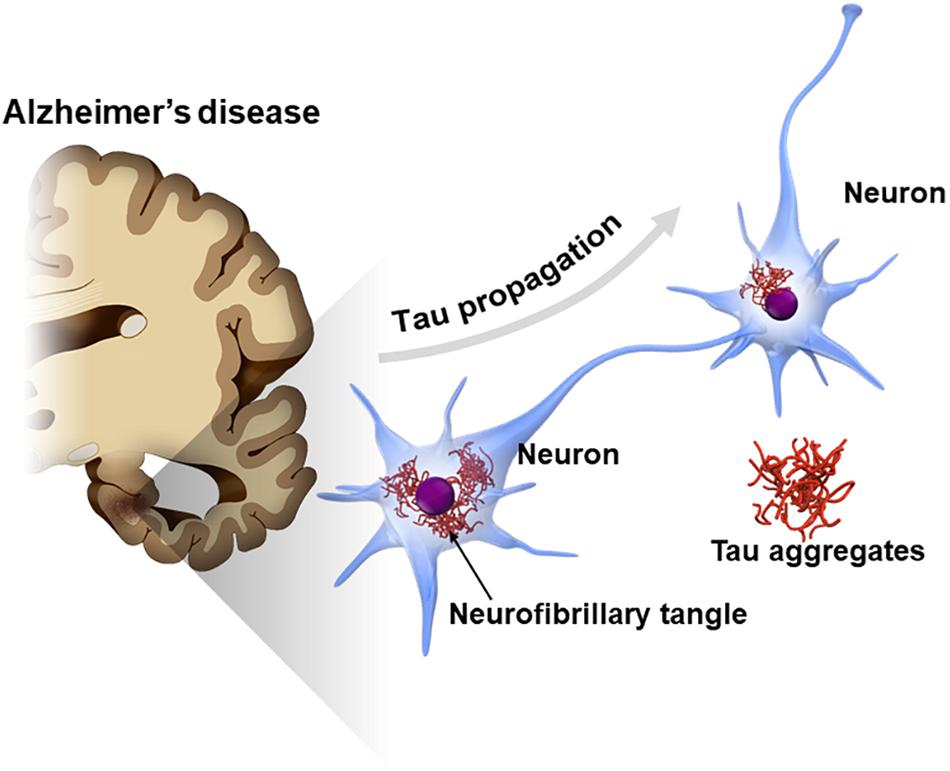
New Blood Test Measures Late-Stage Tau Tangles in Alzheimer’s
The assay, developed by researchers at Banner Sun Health Research Institute with Alamar Biosciences, detects a fragment of...

Taoiseach to Meet CUH Chief After Months of Treating Dispute as HSE Matter
"I was not comfortable wading in, nor was I comfortable with the way the whole thing transpired in...

Warren Spector Calls GTA 6 Model Unsustainable, Cites $1B Cost
Deus Ex creator Warren Spector called Grand Theft Auto 6 a landmark achievement for the medium — then...

GTA 6 Breaks Records as Sales Top $2bn
Take-Two Interactive's Grand Theft Auto 6 generated an estimated $2.36 billion in revenue on its first day, according...