Chile’s ultraconservative president, José Antonio Kast, is facing a political crisis eight months into his term, as his approval ratings fell to 24% and public frustration over the cost of living leads to protests in Santiago.
Kast surged to the presidency in December 2025 by sidelining his long-held, hardline social stances in favor of laser-focused messaging on illegal immigration and public security.
The economic tension reached a breaking point this week when formidable truckers’ unions blockaded two major highways to protest surging fuel prices and operating costs. The situation escalated after the government opted in July not to utilize an available anti-inflation tool—a mechanism designed to buffer the impact of rising fuel costs triggered by the U.S.-Israeli war with Iran—leading to a sudden, painful spike at the pump.
“Our salaries are maybe 20% of a European income, but with a similar cost of living – it’s terrible.”
said Simón Echavarría, a 30-year-old architect, during a protest in Santiago on Friday. He joined crowds who gathered to voice opposition against environmental rollbacks, human rights concerns, and a controversial move to reduce the sentences of convicted pedophiles.
The government’s decision to sign decrees cutting the sentences of 56 prisoners—including those convicted of child rape and dictatorship-era human rights violations—has fueled a wave of public ire. While Kast has publicly labeled the move an “error,” he has maintained his support for the undersecretary responsible for signing the decrees, a stance that has done little to soothe public anger.

For many citizens, the legislative direction of the current administration feels disconnected from the needs of the working class. Patricia Pereira, a 30-year-old veterinarian, expressed deep concern over the future of social programs, stating at a march in Santiago that the hard-won victory of free education for children achieved through protests is now being called into question.
The government recently attempted to quell the unrest by backing down on fuel price hikes, sending a bill to Congress that aims to reverse the planned increases. While that legislation is expected to pass this month, the broader fiscal strategy remains a point of contention.
Kast’s budget proposal, currently in the legislature, includes further cuts to education, culture, and scientific research, showing the administration intends to continue its austerity-focused policy despite widespread dissatisfaction.
The challenges facing the Chilean government reflect a trend across the Americas. Political leaders who enthusiastically aligned themselves with President Donald Trump are seeing similar friction as inflation and the rising cost of everyday goods diminish their political capital.
In Argentina, far-right libertarian Javier Milei is preparing for a reelection bid in less than a year, with recent data showing a 60% disapproval rating driven largely by persistent, high-level inflation. Meanwhile, in Peru, President Keiko Fujimori is contending with a 53% disapproval rating, according to a recent Ipsos poll.
As protests continue in the capital, the administration’s ability to manage these competing pressures is uncertain. With the budget proposal still seeking major cuts to social programs, the gap between the government’s fiscal policy and the public’s expectations for stability is widening.
Worth a look

Arkansas Leads South Carolina 17-0 at Half Led by KJ Jackson
Arkansas holds a commanding 17-0 lead over No. 17 South Carolina at halftime in Fayetteville, marking one of...
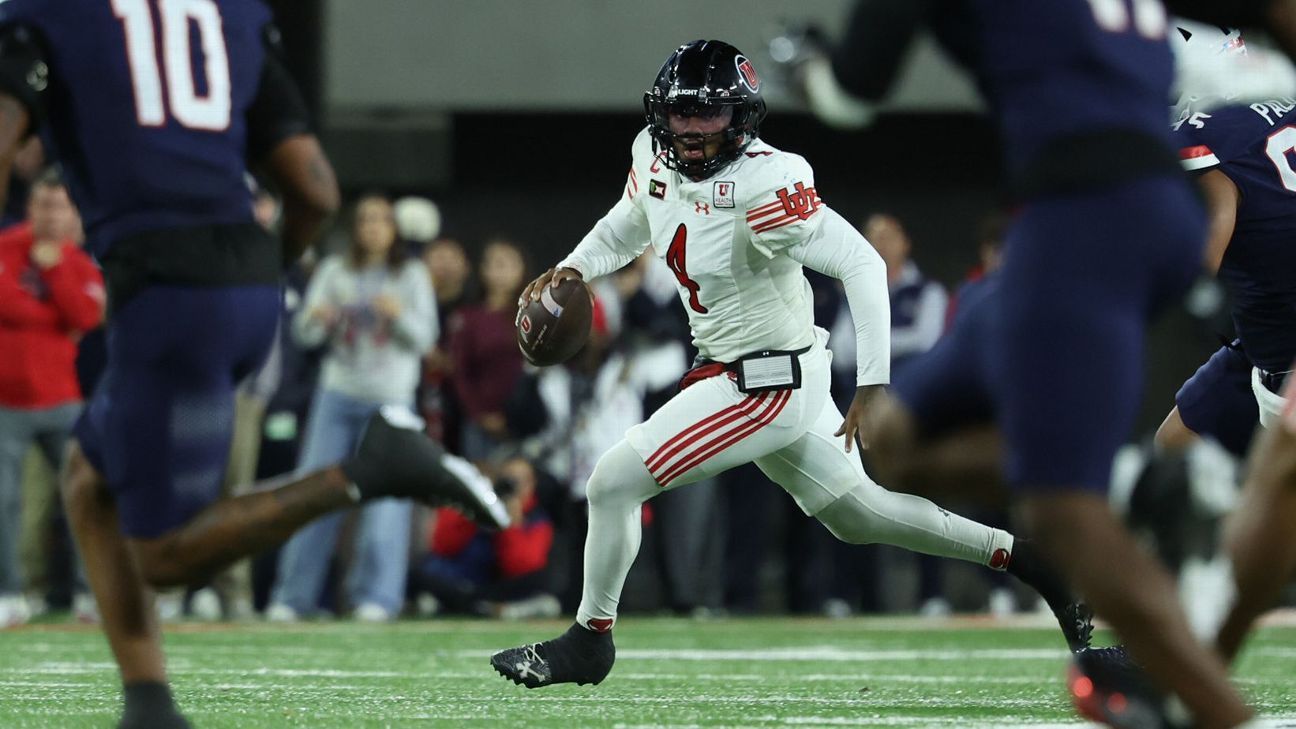
No. 2 Utah Stays Undefeated With 40-39 Win Over Arizona
No. 2 Utah preserved its undefeated season early Sunday, overcoming an 11-point deficit and a travel-delayed start to...

Jonathan Kreiss-Tomkins Elected as Alaska’s 13th Governor
Jonathan Kreiss-Tomkins has been elected to serve as Alaska's 13th governor, capturing 51% of first-choice votes counted as...

Last Second Free Throws Sink No. 1 Sharks in Huntsville
Two free throws with 0.3 seconds remaining sank the No. 1 ranked Nova Southeastern men's basketball team 94-92...