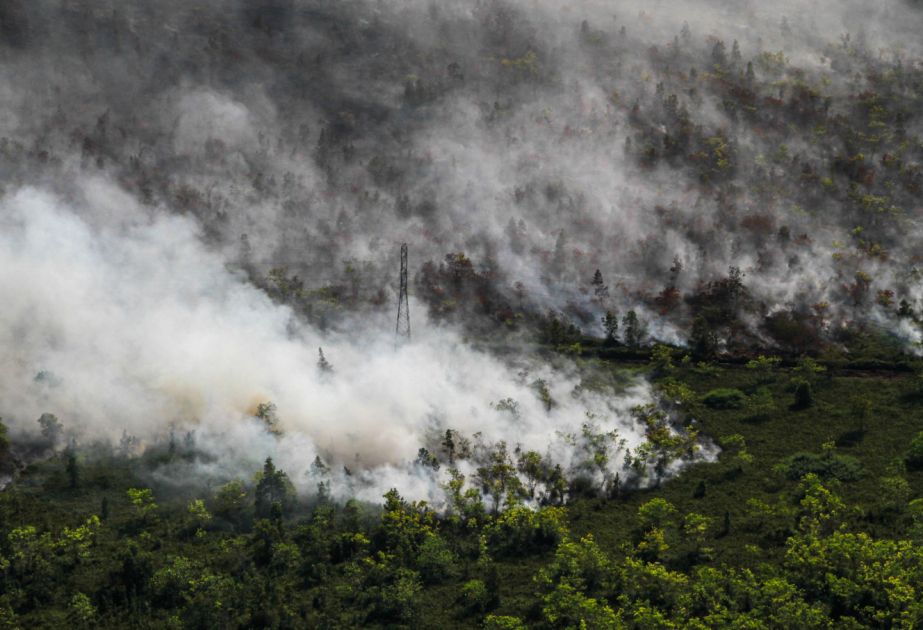
Fires in Indonesia, driven partly by a strong El Nino, have burned approximately 2.88 million hectares of land this year.
Human-induced climate change increased temperatures in Indonesia by 1.6 degrees Celsius during the fire season, according to a report by World Weather Attribution. Scientists from Indonesia, the United States, and three European countries found that these warming temperatures combined with lower rainfall to drive the crisis.
Fires in Indonesia driven partly by a strong El Nino have burned through 2.88 million hectares so far in 2026, a monitor analysing satellite imagery told AFP on Wednesday, The Jakarta Post reported. That burned area figure is 18 times the size of London.
The fires have created dense smoke that caused severe air pollution and contributed to respiratory infections among hundreds of thousands of people. The blazes also destroyed parts of natural habitats for endangered orangutans.
Smoke from the fires has spread across Southeast Asia, affecting neighbouring countries including Malaysia and Singapore. Deforestation and the drying out of peatlands for plantations over decades have left large swathes of land more vulnerable to flames.
“Basically, it’s a really bad year,” said David Gaveau, founder of Nusantara Atlas.
Satellite data showed Indonesia’s cumulative burned area was 895,650 hectares in August, jumping to 1.92 million hectares by the end of September. That surpassed the 1.39 million hectares cumulatively burned at the same point in 2019.
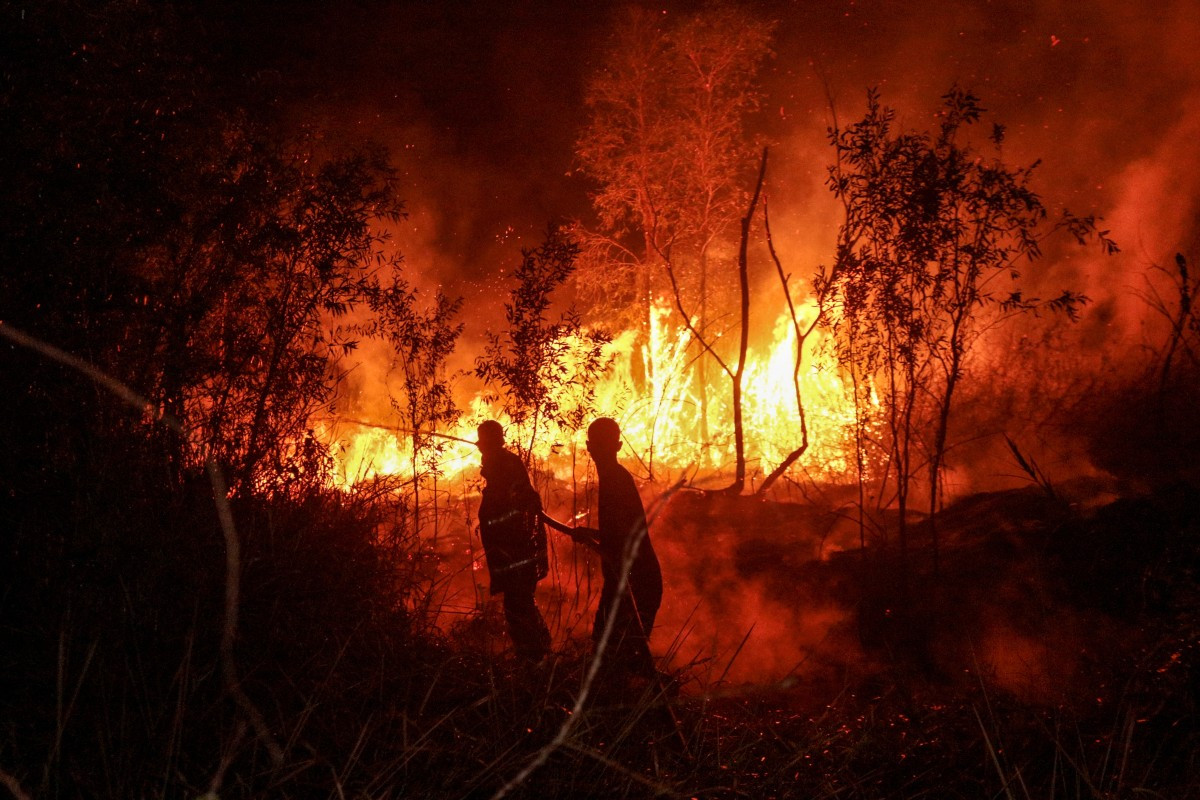
Based on the Nusantara Atlas fire map, data indicates that 1.15 million fire hotspots were recorded across Indonesia as of October 20. Official figures regarding total areas burned have not been released by the government following its July-end announcement that 202,000 hectares had been destroyed.
The burning detected in analysis through the end of October is a conservative estimate because smoke has obscured satellite images. With the arrival of precipitation, certain severe blazes are now under control, while tracking indicates that hotspot counts are beginning to level off or drop.
Researchers note that the conditions triggering major forest fires are becoming increasingly predictable. This creates opportunities for authorities to introduce preventive measures before fires break out.

Predicting Head and Neck Cancer Swallowing Risks Over Time – EMJ
Head and neck cancer survivors face a complex recovery path where the very treatments designed to save their...

Study Shows NAD Levels in Healthy Adults Do Not Decline With Age
Healthy adults do not necessarily need to take popular anti-aging supplements to boost their body’s nicotinamide adenine dinucleotide...

Marcos to Visit Brazil Next Year After Talks With Lula
President Ferdinand R. Marcos Jr. will travel to Brazil next year after holding bilateral talks with Brazilian President...

Beyond the Male Loneliness Epidemic: Why Women’s Experiences Are Being Overlooked
“I’m a very socially connected person,” says Sasha, a 38-year-old from Sydney, yet she describes the intensity of...