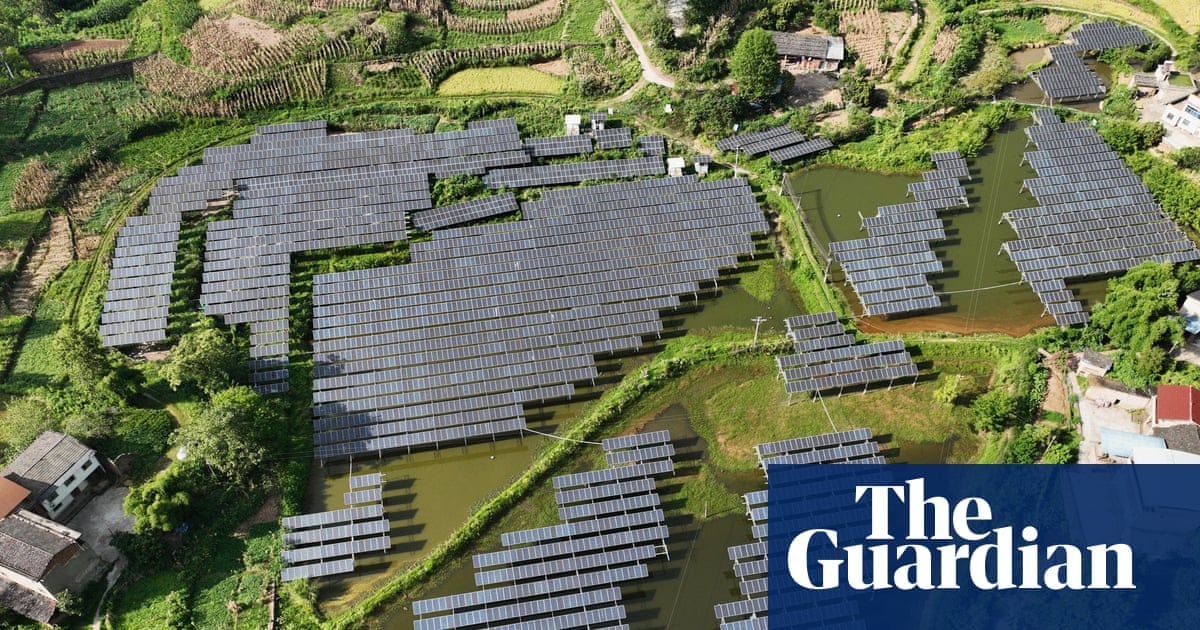
China’s carbon dioxide emissions fell by 1% in the second quarter of 2026, driven by a sharp drop in oil consumption during the US-Israeli war on Iran. The shift toward electric vehicles and public transport cushioned price shocks, reinforcing hopes for a turning point in decarbonization.
Following the outbreak of the US-Israeli war on Iran, China managed to increase overall transportation use despite cutting oil imports by 32%, according to second-quarter energy data reported by the country’s National Bureau of Statistics and analyzed by the Centre for Research on Energy and Clean Air.
The reduction removed about a million barrels a day from global markets, helping stabilize crude prices that otherwise surged by about 60% following initial US airstrikes in late February. Analysts note that approximately two-thirds of the import drop came from running down strategic oil stockpiles, while the remaining third reflected a genuine reduction in domestic demand.
Electric Vehicles and the Transport Shift
The oil crunch accelerated a structural transformation already well underway across Chinese highways. Overall oil consumption fell 9% year-on-year in the second quarter, while transport-sector oil use plunged 16% and crude oil processing dropped 11%, according to a report from the Centre for Research on Energy and Clean Air.
While millions of petrol and diesel vehicles stayed parked as fuel prices climbed, drivers flocked to charging stations. A massive surge in journeys by electric cars, buses, trains, and trucks filled the gap. During the first half of 2026 alone, China’s shift toward electric vehicles displaced the equivalent of the UK’s entire oil consumption over a six-month period.
Coal Trends and Broader Energy Realities
This marks the first time China’s overall emissions have dropped due to a reduction in oil use rather than a decline in coal consumption. In fact, coal generation actually rose during the quarter because of shifting economic incentives and grid bottlenecks that caused significant wastage of wind and solar power.
At the same time, carbon emissions have been flat or falling for 18 months as solar and wind displace coal and electric vehicles supplant gas-powered cars. Analysts suggest that the declining use of coal could prompt a rethink of plans to build out additional coal power plants.
With emissions likely to register an overall drop in 2025, the country is on track to hit peak emissions several years ahead of its official target to see emissions crest before 2030.
Geopolitical Shifts and Climate Diplomacy
Beyond domestic climate milestones, the energy shock is reshaping Beijing’s posture on the international stage. Experts note that declining emissions mean China won’t need to be as defensive in international negotiations, paving the way for a more constructive and solutions-oriented approach.
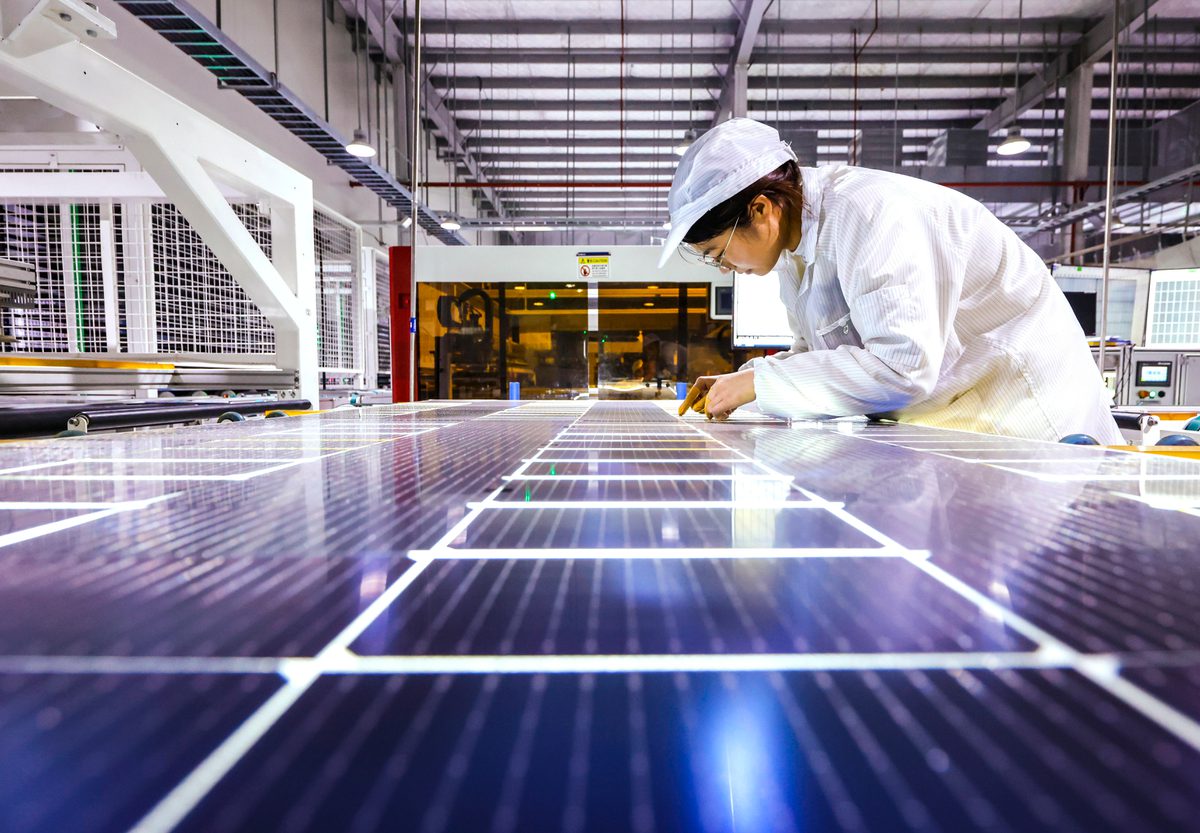
As the United States and the European Union soften their climate commitments, China is well-positioned to drive global climate diplomacy. Dr. Muyi Yang, a senior analyst at Ember, emphasized that the Iran crisis strengthens the economic and strategic imperative of cutting petro-dependence.
“The risk of oil-import dependence increasingly comes from the geopolitical domain. This is a risk no country can effectively manage. So the more effective strategy is to reduce that exposure altogether. And China’s experience is demonstrating that this works.”
As the world’s biggest manufacturer and exporter of batteries, electric vehicles, wind turbines, and solar panels, Beijing is staking its claim to leadership both as a steady partner in the global energy transition and as the primary purveyor of the technology required to achieve it.
Keep reading
Macron Seeks Oil Supplies from UAE
French President Emmanuel Macron began a four-nation Gulf tour in Kuwait and Abu Dhabi on Monday, October 19,...
IMF World Bank Meetings Warn of Global Stability Threats
Global finance leaders wrapping up the annual IMF and World Bank meetings in Bangkok on October 18, 2026,...
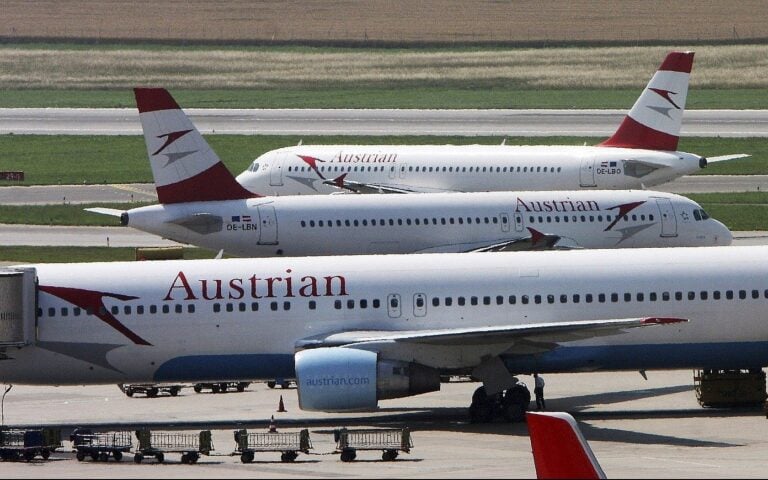
Israel Flight Diverted to Bulgaria After Bomb Threat
An Austrian Airlines flight carrying 57 people from Tel Aviv to Vienna diverted to Sofia, Bulgaria, on October...
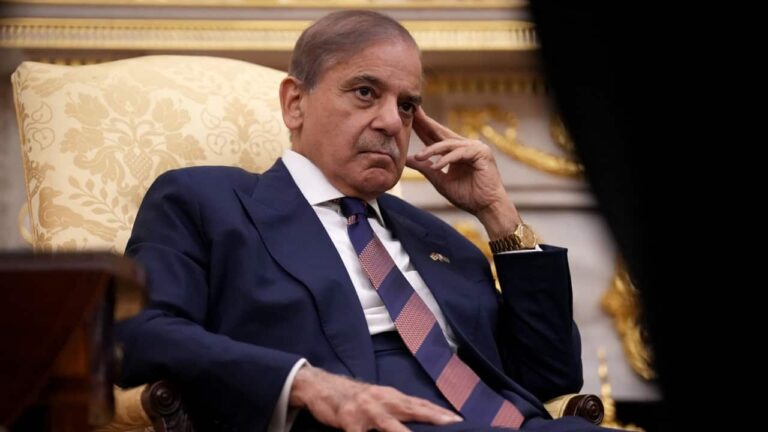
Pakistan to Head International Monetary Fund and World Bank
Pakistan has been selected to chair the Boards of Governors of the International Monetary Fund and the World...