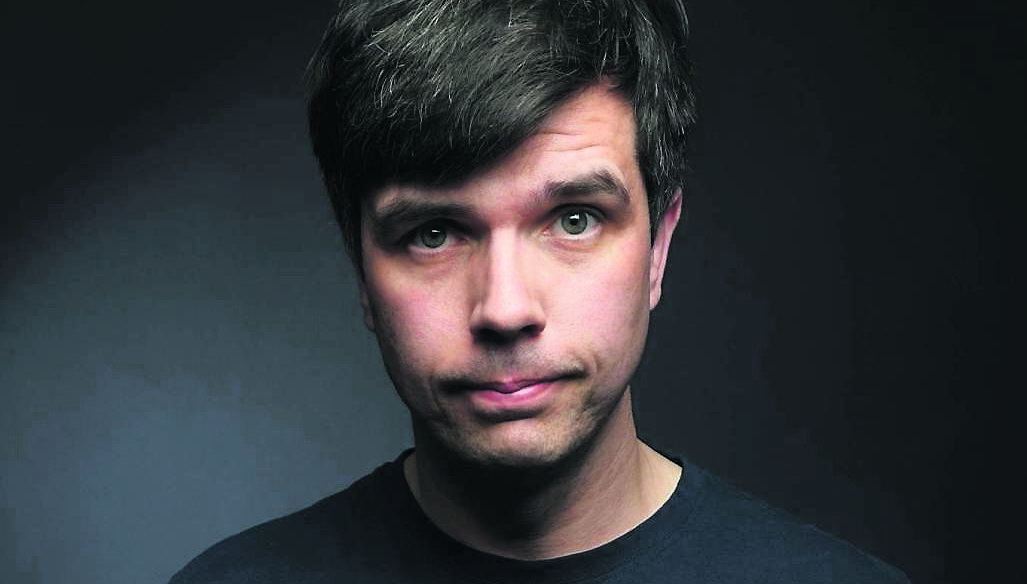
In a candid column for echo live, Irish stand-up Chris Kent argues that the road to touring sold-out theatres runs straight through the rooms where nobody shows up. The Cork comedian, who grew up in Knocknaheeny on the city’s northside and once trained as an electrician, lays out a twenty-year climb that included two tours with gigs pulled for zero ticket sales, a year on building sites in Australia, and a pandemic-era detour back to the tools that nearly ended his comedy career for good.
The piece matters now because Kent is at a commercial peak: his new documentary premieres at the Cork International Film Festival on November 18, and his latest show, That’s All I Need Now, is scheduled for Live at the Marquee in June next year. Yet the column insists the success was built incrementally, in comedy clubs and empty halls, long before the theatres filled.
The Northside Kid Who Never Planned Ahead
Kent writes that he grew up in Knocknaheeny, an area he says carried a reputation for being rough and where residents felt judged for their address. He recalls a tight community of street football and games, and a local shorthand: people assumed you could look after yourself because you were from Knocknaheeny.
He cites fellow comedian Des Bishop’s take on mindfulness to describe his own headspace growing up. He writes that he never dwelt on the future while hanging out with friends, and that even when leaving school, he had no clear plan. Following the common advice to “get a trade,” he accepted an electrician’s apprenticeship, completed it, and spent a year in Australia working on building sites while doing a little comedy at night.

Local Stand-Up Showcase Sparks Kent’s Return
The turning point, Kent writes, came when Des Bishop filmed an episode of Joy In The Hood in Knocknaheeny, teaching locals stand-up. Kent did not take part, but he attended a showcase at St Vincent’s GAA Club where those regular people performed for the first time.
That was my biggest inspiration. I pretty much knew straight away that I wanted to give it a go.
He writes that he had never seen the non-famous side of stand-up before, and that he desperately wanted to be asked to try it, though his introversion kept him from being invited. So he signed up himself for a first gig at the Tiki Lounge, upstairs in Jim Cashman’s pub in Cork city, roughly twenty years ago. He describes the feeling of making people laugh as “extremely addictive,” and says he wanted to repeat it despite the nerves.
Two Tours, Three Pulled Gigs
Kent writes that he set himself a ladder of goals: first a ten-minute spot in every comedy club, then paid fifteen- or twenty-minute spots, then moving up the bill, then headlining, then staging his own solo shows. Each rung took years.
The financial reality was stark. On his first tour, about six dates, Kent writes that two gigs were pulled because no tickets sold at all. The following year, on a tour of ten or eleven dates, one more was cancelled. He writes that he kept working on new material in clubs and that the tours grew slowly, in small steps, until they became viable.
He moved to Dublin for more gigging opportunities, spent four years there, then relocated to London, where he writes he started over doing unpaid ten-minute spots while facing the kind of financial pressure that makes a broken-down car feel like a catastrophe. He writes that holding on to small victories kept him going.
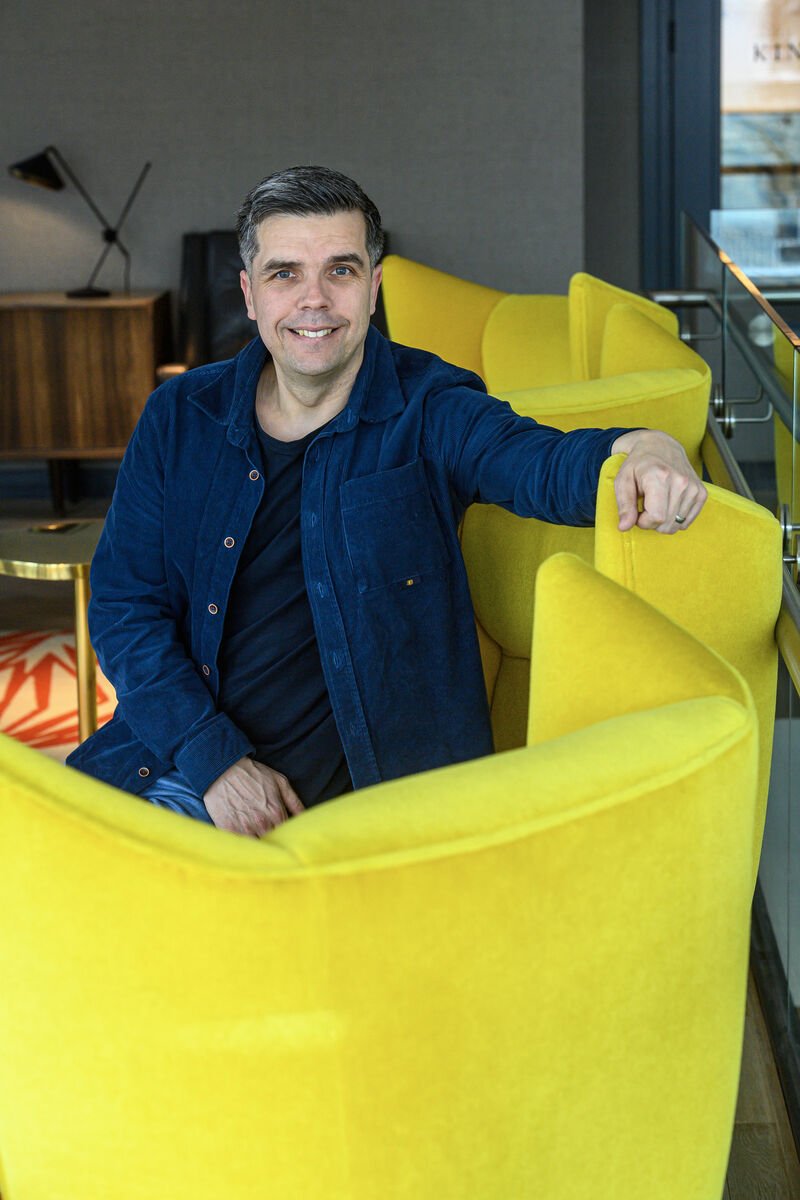
Kent Regrets Quitting Comedy After Pandemic
Kent writes that during the pandemic, comedy work stopped and he returned to electrical work. He says it was not a choice to quit; circumstances forced it. Initially nerve-wracking, he found he loved being back on the tools, and the money gave him a financial security he had not known in years.
As gigs returned, he writes, he was reluctant to give up the full-time electrician’s job. His wife, he writes, could sense he was letting go of comedy and knew he would regret it. After some time, she convinced him to hand in his notice and commit to comedy full-time again. He describes it as backing himself and jumping rather than being pushed, and calls it the best decision he has ever made.
She also encouraged him to put his recorded material online. Kent writes that he had taped most of his shows, got a break online, and that this led to a huge sold-out tour and, eventually, enough stability to get another mortgage and buy a house.

What He Tells the Next Person Starting Out
Kent writes that going back to electrical work, oddly, removed his fear of ever needing a “real job” again, because he knew he could return to the tools if comedy failed. Freed of that fear, he says, he could give comedy everything. His advice to anyone starting a journey is to simply start, and to stop waiting for a perfect moment that may never come.
His documentary premieres at the Cork International Film Festival on November 18, and his tour continues into next year.
Disclaimer: The cultural analyses and financial data presented in this article are based on available public records and industry metrics at the time of publication.
Worth a look

Kris Statlander and team win AEW Dynamite Blood & Guts match
AEW Dynamite Blood & Guts 2026 Results: Barbed Wire, Two Rings, and the Ten-Day Sprint to Full Gear...

Binance says hackers who stole billions in crypto spent months planning heist
On October 29, 2026, hackers stole $6.43 billion in cryptoassets from Binance, the world's largest cryptocurrency exchange, according...

Dean Norris and wife Bridget divorcing as their cafe files bankruptcy
Dean Norris and Bridget Norris Are Divorcing After 25 Years, Court Records Show Dean Norris, the actor best...

David Jones Enters Voluntary Administration After 188 Years
David Jones, Australia's oldest department store chain, has entered voluntary administration after 188 years of trading, placing about...