The Linguistic Shield of the Southern Blessing
In a recent piece for Civil Discourse with Joyce Vance, Richard Newman explores the peculiar social utility of the phrase “bless their heart,” suggesting it functions as a conversational loophole within Southern etiquette. Writing through a series of personal anecdotes, Newman argues that the phrase acts as a rhetorical buffer, allowing a speaker to deliver sharp criticisms or blunt judgments while maintaining a veneer of politeness.
The essay, titled “Bless Their Hearts,” uses a dining experience at a Steak ‘n Shake to illustrate how this linguistic tool operates in real-time social interactions. Newman observes that once the phrase is attached to a subject’s name, the subsequent commentary—no matter how critical—is effectively neutralized by the implied sentiment of the blessing.
A Toolkit for Social Criticism
Newman provides several examples of how this practice manifests in domestic and professional spheres. He recounts a conversation where a woman used the phrase to critique her own son, describing him as an “idiot” for renting storage space for the toys of children aged one and three, yet framing the insult within a “bless his heart” preamble.

The author applies the same logic to his own life, noting that he uses the expression to describe his father as a “sentimental old fool” who becomes emotional when hearing his daughter’s voicemail.
The utility of the phrase extends even to the service industry. Newman notes that while he might not leave a significant tip for a waiter, the waiter would likely respond by “blessing” the hearts of the customers in return.
Worth a look

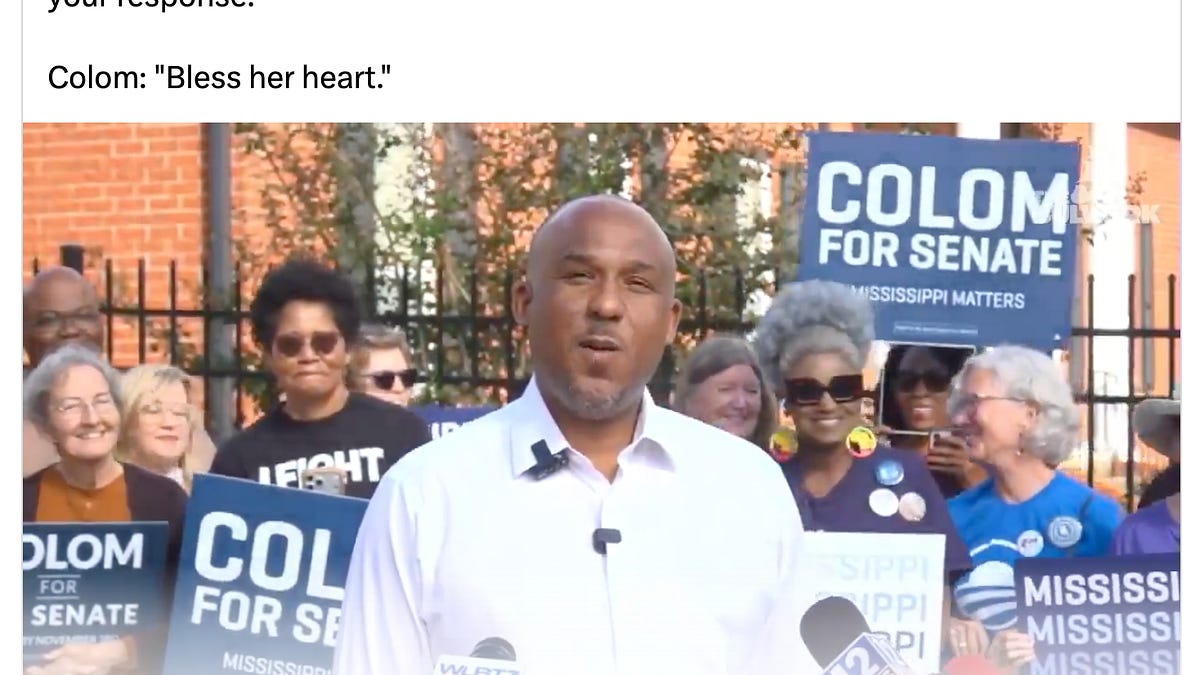
Scott Colom could become Mississippi’s first Black senator since Reconstruction
A Mississippi Senate Race Built on Quiet Belief “Watching Scott’s campaign pick up so much momentum has been...
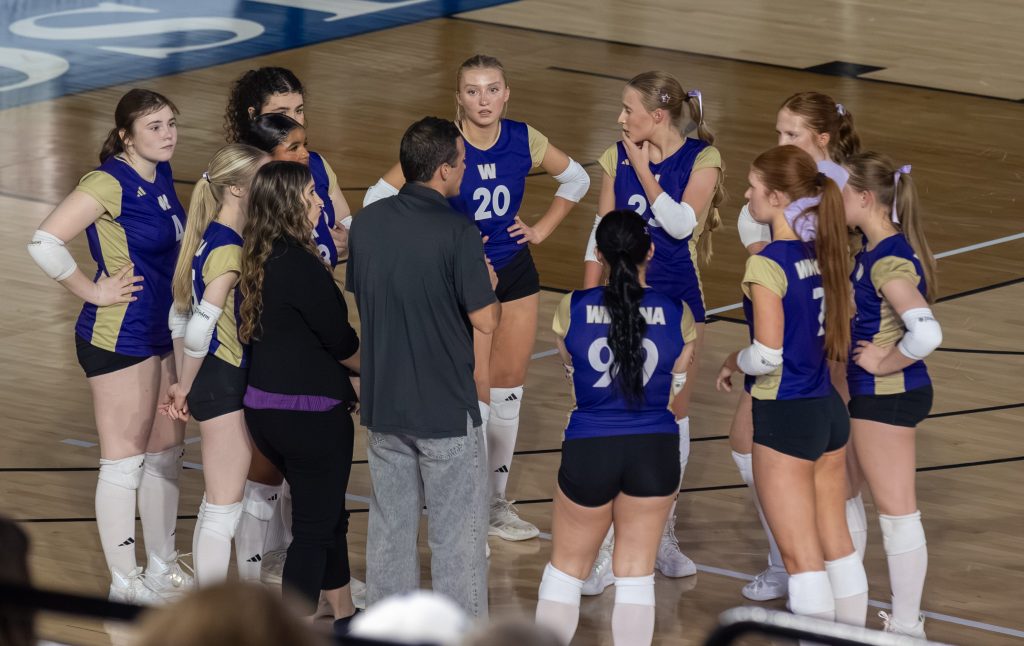
Winona Claims Class 1 Third Place Trophy in Five-Set Victory
Winona claims Class 1 third-place trophy in five-set thriller over Billings Winona secured the Class 1 third-place trophy...

Jefferson City Community Center leaders say council is withholding funds
Funds Frozen, Safety Stalled Leaders of the Jefferson City Community Center say they are caught in a bureaucratic...
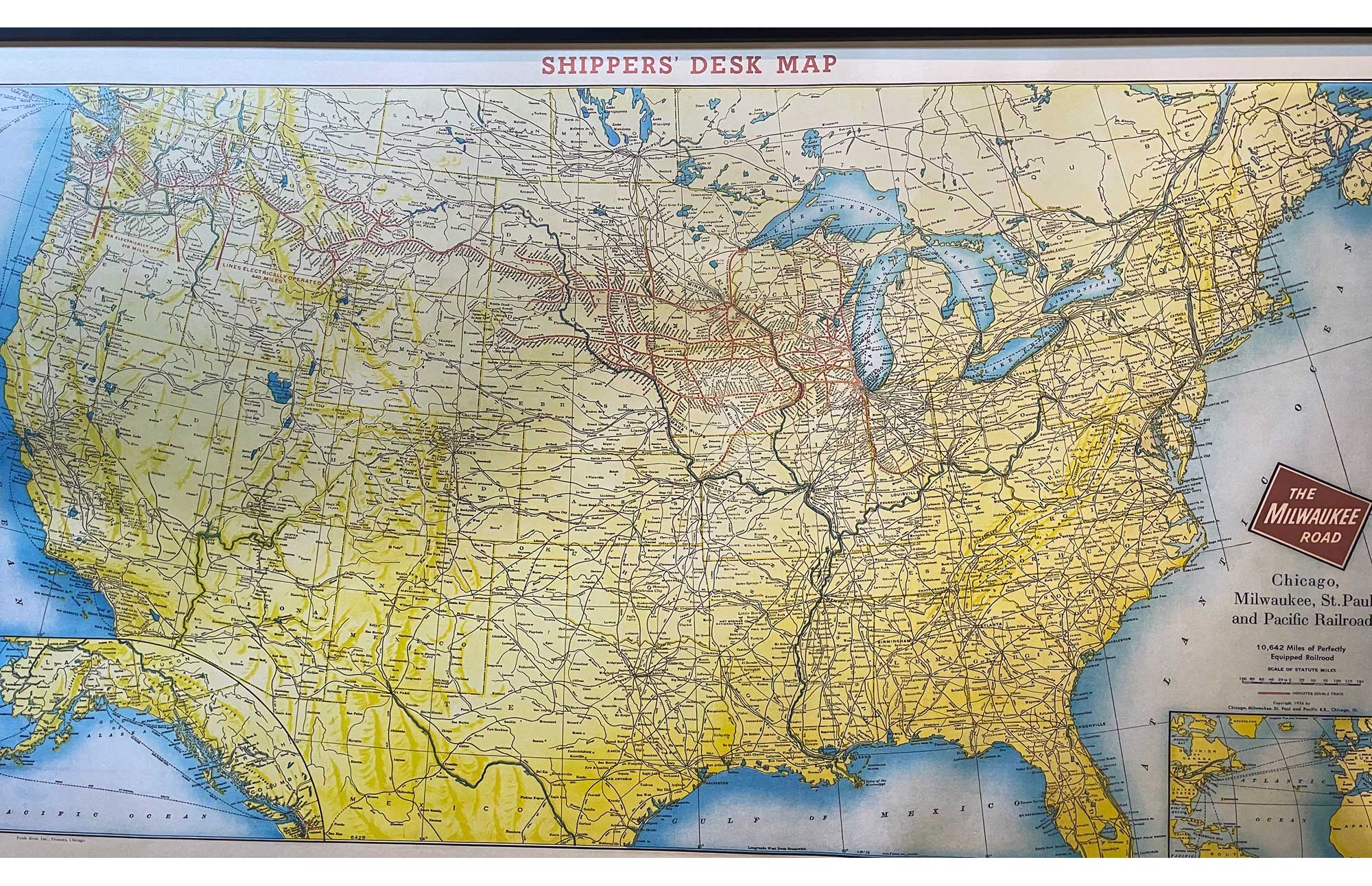
CNU 35 Twin Cities Highlights Historic Mill District Urbanism
Imagine a map. Eight feet wide. It sprawls across a wall, a sprawling web of more than 10,000...