“We want people that are going to stand up for the people that handed them this election,” said Tiffany Weber, the Ringleader of Solidarity Warriors.
Protesters gathered inside and outside the What’s Next conference in Denver this week, demanding that Democratic leaders address corruption, the war in Gaza, and ICE raids. The demonstrations occurred as Democratic strategists and lawmakers met to map out a path toward the 2028 elections.
The convention comes as political alignments shift. Following the midterm elections, Democrats secured majorities in both the House and the Senate after several seats that were previously held by Republicans flipped to the Democratic column. This shift has forced party leaders to grapple with how to wield their new influence while managing a diverse array of internal voices and managing relationships with congressional Republicans.
Colorado Democratic Party Chair Shad Murib believes the state offers a blueprint for national success. He suggested that the party’s recent victories in traditionally Republican regions were driven by a focus on tangible quality-of-life issues rather than purely partisan rhetoric.
“I think in Colorado, people are going to find a state that welcomes everyone. We built around people to buy into a vision of protecting their freedoms and lowering their costs. And that’s something that we’ve been dialed into far before the rest of the country,” Murib told CBS News.
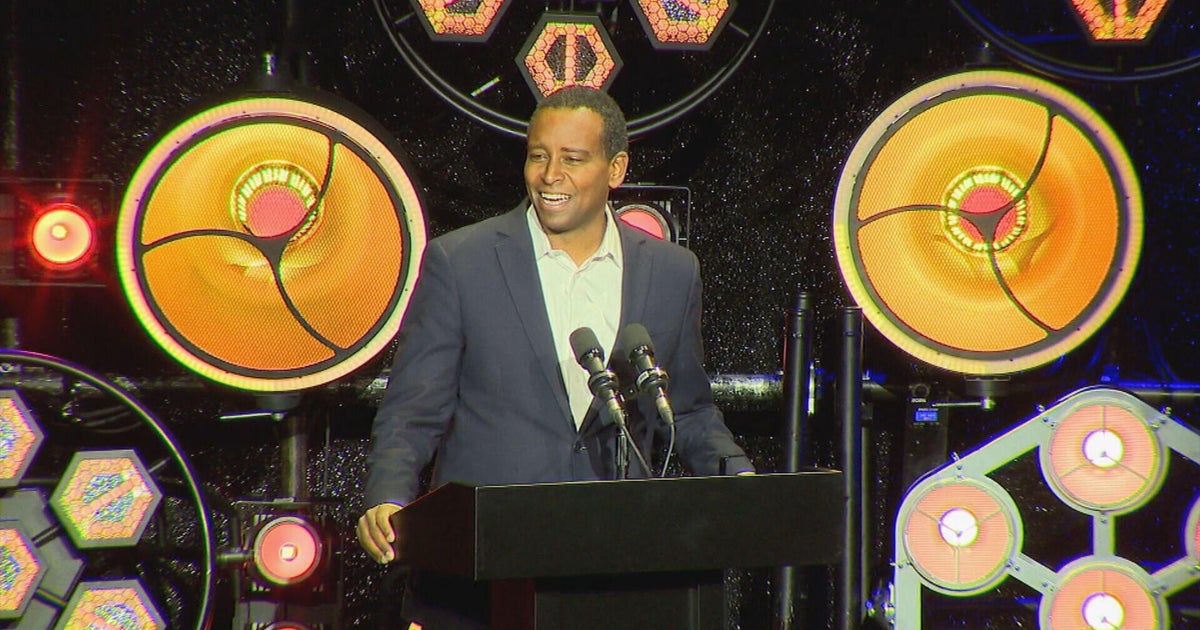
Colorado Congressman Joe Neguse, who represents the state’s 2nd Congressional District, is also seeking a leadership role within the party. Neguse noted that the recent election results served as a clear mandate from the electorate. Neguse said, “This election voters spoke in a resounding way. I think the voters gave us an opportunity to restore trust and credibility.”
While leadership contests brew, local Democrats are also looking toward the future of the city itself. Murib and Neguse are actively pitching Denver as a candidate to host the 2028 Democratic National Convention. Neguse emphasized the city’s readiness, stating, “I could think of no better place than Denver, Colorado, to host.”
The tension at the conference highlights a recurring dilemma for the modern Democratic Party: balancing the demands of a progressive base with the pragmatic requirements of maintaining legislative majorities. For the activists represented by Solidarity Warriors, the recent electoral wins feel less like a victory and more like a debt owed to the voters who secured them.
The stakes involve more than just internal party hierarchy. The ability of the party to unify around a cohesive platform will likely determine how effectively they can address the economic and social pressures facing the country. As the party moves from the momentum of midterm wins toward the long-term horizon of 2028, the decisions made in Denver will set the tone for their ability to govern and compete in fractured politics.
“We have a lot of success here in Denver and in Colorado,” Murib told CBS News.

Empowering Rural Idahoans Through Boise State Online Degree Programs
Boise State Online provides rural Idaho residents with access to over 100 degree and certificate programs designed to...

Atlanta Hawks Face Chicago Bulls as Okongwu Could Deliver High Stats
The Atlanta Hawks return to the court tonight after a four-day break, facing a Chicago Bulls team that...

Delaware State Police Launch Real-Time Translation via Axon Cameras
Delaware State Police launched real-time translation capabilities for their body-worn cameras this week to improve communication with non-English...

WPI Defeats SCSU 132-108 in Swimming and Diving Dual Meet
WPI secured a 132-108 victory over Southern Connecticut State University during a dual meet on Friday, Nov. 13,...