
Colorado’s drought picture improved drastically, with severe flooding causing hundreds of millions in damage.
The latest data from the U.S. Drought Monitor shows much of southern Colorado has recovered from persistent drought conditions. On Oct. 13, only 15% of the state was drought-free, but by Nov. 17, 43% was drought-free.
Most of these improvements have occurred across southern Colorado, coinciding with regions affected by a significant sequence of autumn storms. “That’s vastly different from what we’ve seen at the start of the summer,” said Brooke Scholtens, a National Weather Service meteorologist in Grand Junction.
Among the most pronounced shifts were observed in the San Luis Valley, where large portions moved from extreme drought to complete drought-free status, a jump of three categories in under three weeks. In early October, over 86% of Conejos County was in extreme drought. By the beginning of November, drought conditions were completely absent from the county.
Conejos County is located in the San Luis Valley, which accumulated four times its typical October rainfall between Oct. 22 and 25, according to a blog post from Colorado State Climatologist Russ Schumacher.
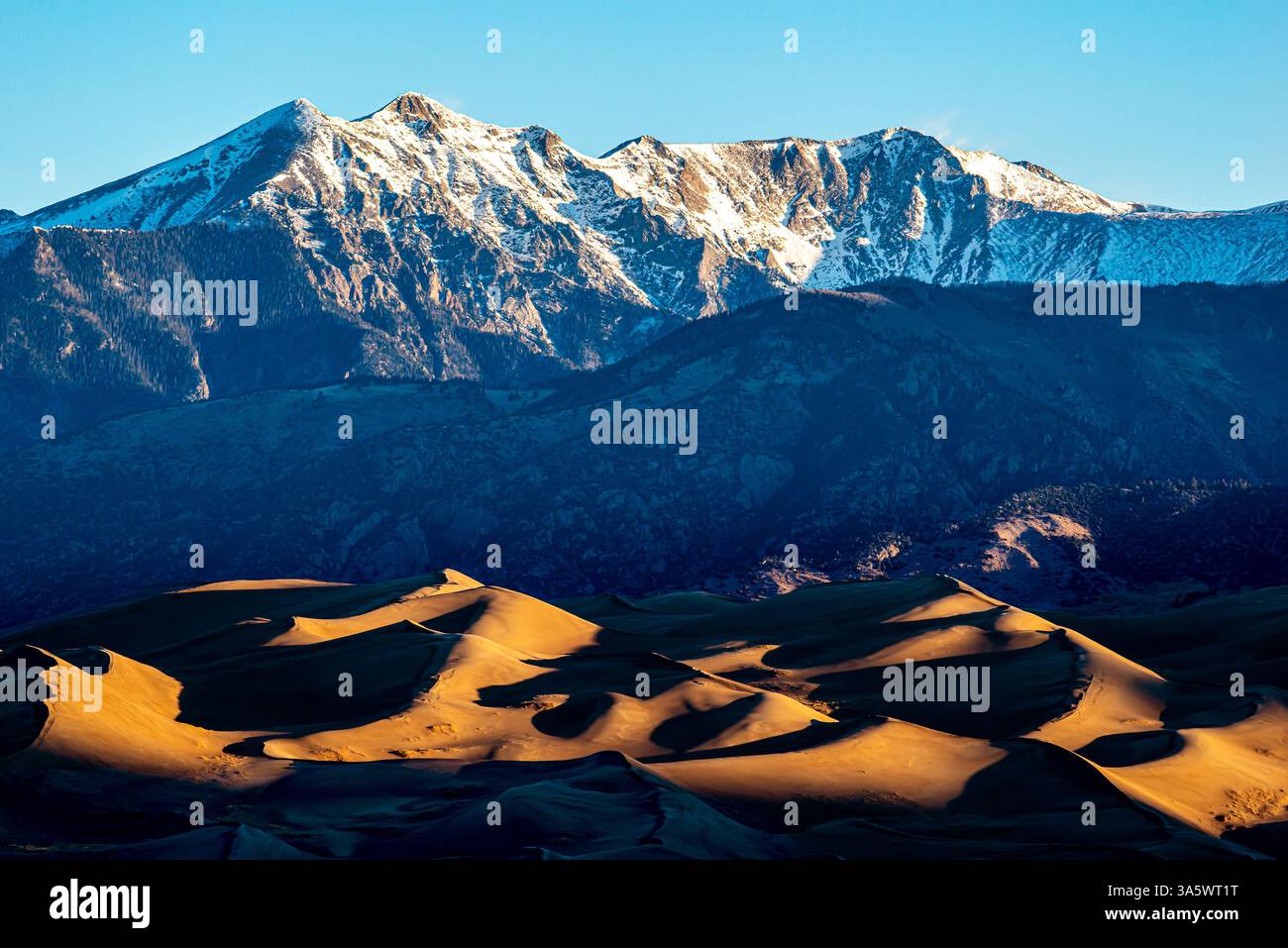
In certain locations, weather stations recorded the wettest two-day span in their history. The precipitation was an exceptionally uncommon event for the region, which typically gets little moisture as storms are blocked by the San Juan Mountains.
Across much of the San Luis Valley, the late October storm qualified as a 100-year rainstorm, indicating a 1% probability of occurring in any given year. In some areas of the valley, it was classified as a 1000-year rainstorm, according to Schumacher.
A subsequent storm impacted the San Luis Valley the following weekend, leading to more flooding and evacuations for communities situated along the Conejos River. Drought conditions also saw marked improvement in the Four Corners area of southwestern Colorado.
In mid-October, 89% of Montezuma County was in severe drought. By the beginning of November, drought conditions were completely absent. The autumn storms delivered record-setting precipitation throughout the region.
From September to November, the San Juan Mountains received more than 20 inches of precipitation, according to Schumacher. Some areas near Wolf Creek Pass recorded over 30 inches. For certain sections of Archuleta County, which suffered extensive flood damage, the three-month period from September to November of this year has been the wettest on record, exceeding the previous total by over 6 inches.
“This is a huge amount of precipitation for this area, especially at lower elevations and when it’s not from big snowstorm cycles in the winter,” wrote Schumacher.
Despite the extraordinary rainfall, drought continues in other areas of Colorado. Substantial portions of Summit, Eagle, Grand and Lake counties remain in exceptional drought, the most severe classification.
It is still too early to determine what this autumn signifies for the 2027 water year. Scholtens said that long-term conditions will depend on the performance of this year’s mountain snowpack, which typically achieves its maximum depth in the spring. “We haven’t seen the season where we see a lot of our snowpack yet,” she said.
Thanks to the southwest rainstorms, water levels have climbed more than 20 feet in Lake Powell, a key reservoir that supplies water to 40 million people who depend on the Colorado River. The lake remains only 26% full, however, and three states — California, Nevada and Arizona — are still required to cut back their usage this year under a federal directive.
As noted in a post by Peter Goble, assistant Colorado state climatologist, the development of a robust El Niño weather pattern, such as the one emerging this year, is linked to increased precipitation during the fall and spring in Colorado. An El Niño year is defined by warmer ocean temperatures in the Eastern Pacific, which can influence global weather patterns.
However, an El Niño year is not as reliably connected to greater winter snowpack, which is a primary means of replenishing the water reservoirs in the Western United States. “A big snow year is certainly one possible outcome, but is by no means guaranteed,” wrote Schumacher.
Worth a look

Syracuse Orange Defeat Albany at JMA Wireless Dome
Syracuse Orange men's basketball defeated the University at Albany Great Danes at the JMA Wireless Dome on Wednesday....

Salem Town Council Directs Modified Logo for Future Vote
“No. 1 looks too AI to me,” Councilor Paul Pelletier said. “I like to see Salem as a...

Old Fox Books Marks 10th Anniversary on Small Business Saturday
Old Fox Books marks its 10th anniversary on Small Business Saturday this weekend, a decade after opening in...

Georgia Democrats See Chance to Repeal Voting Laws After Election Wins
Georgia Democrats have a historic opportunity to repeal some of the country's most restrictive voting laws following a...