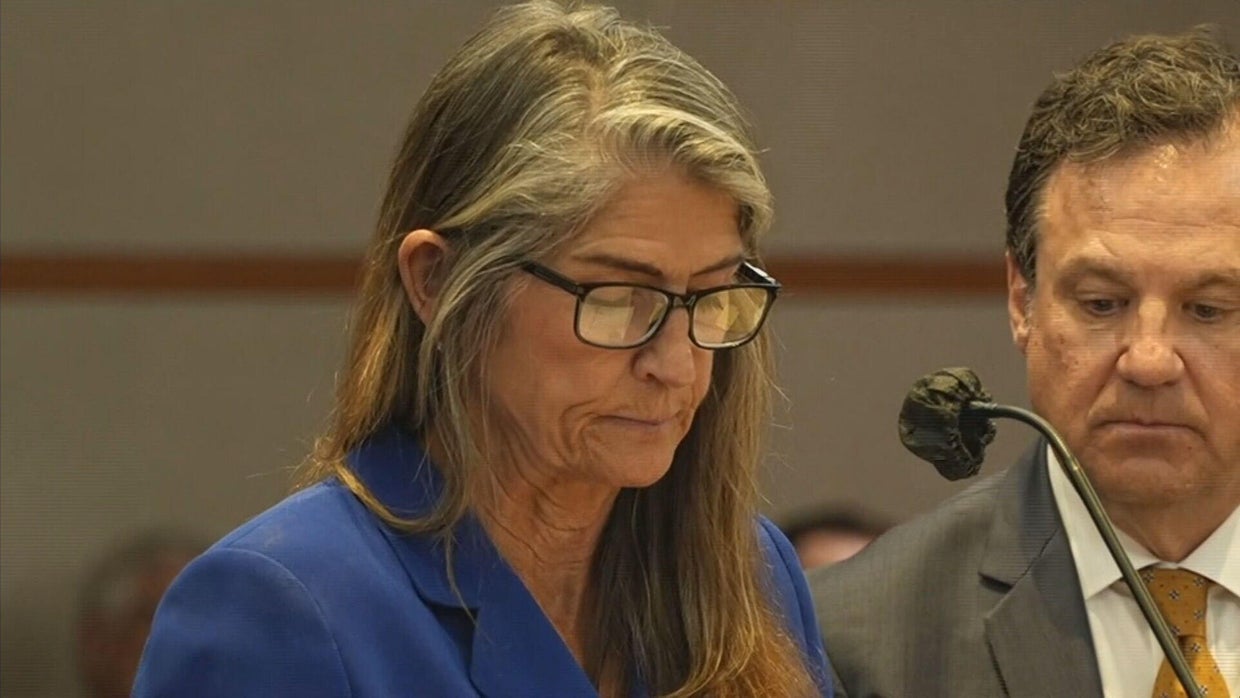
The Colorado Supreme Court will hear arguments January 13, 2027, on whether a lab technician’s decade of misconduct requires dismissing criminal cases that relied on her initial DNA analysis.
In August, Weld County District Court Judge Vicente Vigil dismissed a child sexual assault case against Daniel Eatinger, citing “outrageous government misconduct” by the Colorado Bureau of Investigation and former technician Missy Woods, CPR reported. Woods pleaded guilty to four felonies for falsifying records and is serving a prison sentence.
“Ms Woods chose to become a cancer within the Colorado Bureau of Investigation,” Vigil wrote. “And that agency chose first to ignore, then place a bandage on the tumor until it could no longer be hidden from public view.”
Prosecutors warn of statewide precedent
Weld County District Attorney Michael Rourke asked the state Supreme Court to intervene. His office said retested DNA in the Eatinger case did not rely on Woods’ work and that other analysts’ work has not been challenged.
“The state Supreme Court has an incredibly important decision before it, which could impact the entire criminal justice system,” Rourke said in an email. “But truly at the heart of this controversy is a young victim who deserves her day in court. She and her need for justice cannot be lost in all of the legal wranglings.”
Jessica Dotter, leads the Colorado District Attorney’s Council, said the ruling could affect thousands of cases, including those with convictions.
“This ruling, if upheld, would essentially mean that thousands of victims across Colorado would get punished for, you know, her wrongdoing, even if the wrongdoing had nothing to do with their cases,” Dotter said. “It would essentially set the precedent for judges across the state to do the same … even when there was no specific misconduct in that case.”
A friend-of-the-court brief filed on behalf of all 23 elected district attorneys argued that to succeed on an outrageous misconduct claim, a defendant must show a concrete injury to his due process rights. “There is no precedent authorizing dismissal of a criminal case to punish an actor without first finding a concrete injury to the defendant,” the prosecutors wrote.

Defense cites Brady violations
ACLU attorney Matthew Segal, co-director of the ACLU Foundation’s State Supreme Court Initiative, said the state violated constitutional protections by failing to disclose Woods’ misconduct for years despite signs of problems as early as 2014.
“Those rules cover not just instances of misconduct committed in the specific case at issue, but evidence that undermines someone’s credibility,” Segal said. “And of course, the fact that Missy Woods was committing fraud is a fact that undermines her credibility in every case.”
Defense attorneys argue prosecutors are required to provide all exculpatory evidence, including information that creates reasonable doubt, and that CBI’s silence deprived defendants of that right across cases ranging from sexual assault to murder to theft.
The court’s decision will determine whether the dismissal stands and how broadly it applies.
Related reading
- Aya Healthcare Lists Two Travel Cyto Tech Jobs in Oklahoma City
- No. 2 Virginia 83, Xavier 71: Lewis (21), Gertrude (17) Lead Cavaliers Past Musketeers in Battle 4 Atlantis
- Supreme Court Ruling on Quebec’s Law 21 and Royal Oath Debate Heats Up (world-today-news.com)
- Bank of England Policymakers Say High Energy Costs Could Force December Rate Hike (newsarchyuk.com)
Aya Healthcare Lists Two Travel Cyto Tech Jobs in Oklahoma City
Aya Healthcare has posted two travel Cyto Tech job openings in Oklahoma City, Oklahoma, with a start date...

No. 2 Virginia 83, Xavier 71: Lewis (21), Gertrude (17) Lead Cavaliers Past Musketeers in Battle 4 Atlantis
No. 2 Virginia pulled away from Xavier for an 83-71 win Friday in the Battle 4 Atlantis Signature...
Maryland Seeks First Home Win Over Penn State Since 1961
Maryland has not beaten Penn State at home since 1961, a 65-year drought the Terrapins will try to...

No. 20 Florida Favored Over FSU With Bowl Bid at Stake
Florida (7-4, 5-4 SEC) is a 6.5-point favorite over FSU (5-6, 3-5 ACC) at Doak Campbell Stadium. Kickoff...