
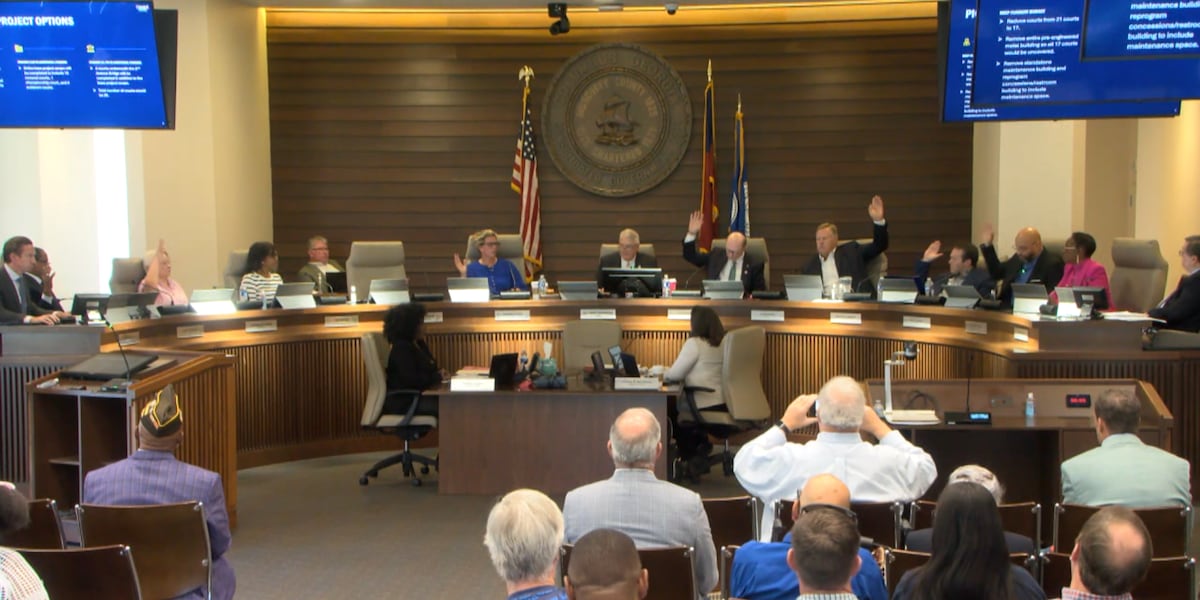
Columbus Council voted unanimously Tuesday to back a $30 million renovation of A.J. McClung Memorial Stadium, ending months of debate over the 1925 venue’s future but leaving the critical question of how to pay for it unanswered, Columbus Ledger-Enquirer reported.
The decision settles the scope of the project after the council rejected a $140 million rebuild in January and reviewed cheaper options ranging from $10 million to $20 million in March. City Manager Tyson Begley told the council he spent five weeks finding a “right scope” that balanced financial prudence with the needs of stakeholders, including the Fountain City Classic and the local USL soccer club, Columbus United FC.
“For the past five weeks, what I really tried to focus on is the right scope,” City Manager Tyson Begley, Columbus City Manager, said.
“I know councils have seen presentations that tore it down and built it up from scratch as well as ones that had minimum renovations. I really tried to work with the stakeholders to identify from those different proposals what is the right scope that is financially prudent and meets the needs of the stakeholders for now and the upcoming years.”
The plan widens the field for soccer, replaces grass with artificial turf, and overhauls locker rooms, the press box and hospitality areas. It cuts roughly 3,600 seats from the current 11,400-seat capacity, though 400 temporary bleacher seats and 500 lawn general-admission spots would be added, with end-zone expansion left as a future option.
“As far as events go, what this will allow us as a sports council to bid on events that we couldn’t previously bid on before,” Craig Howard, executive director of the Columbus Sports Council, told Columbus Ledger-Enquirer. “That was my biggest concern. If we are going to do this, make sure we have the proper information to be in position to bid for new opportunities.”
Funding sources have not been identified and will require separate council action before a construction timetable can be set. Begly said he wanted a clear answer on scope first so the city could pursue financing with a defined project in hand.
Worth a look
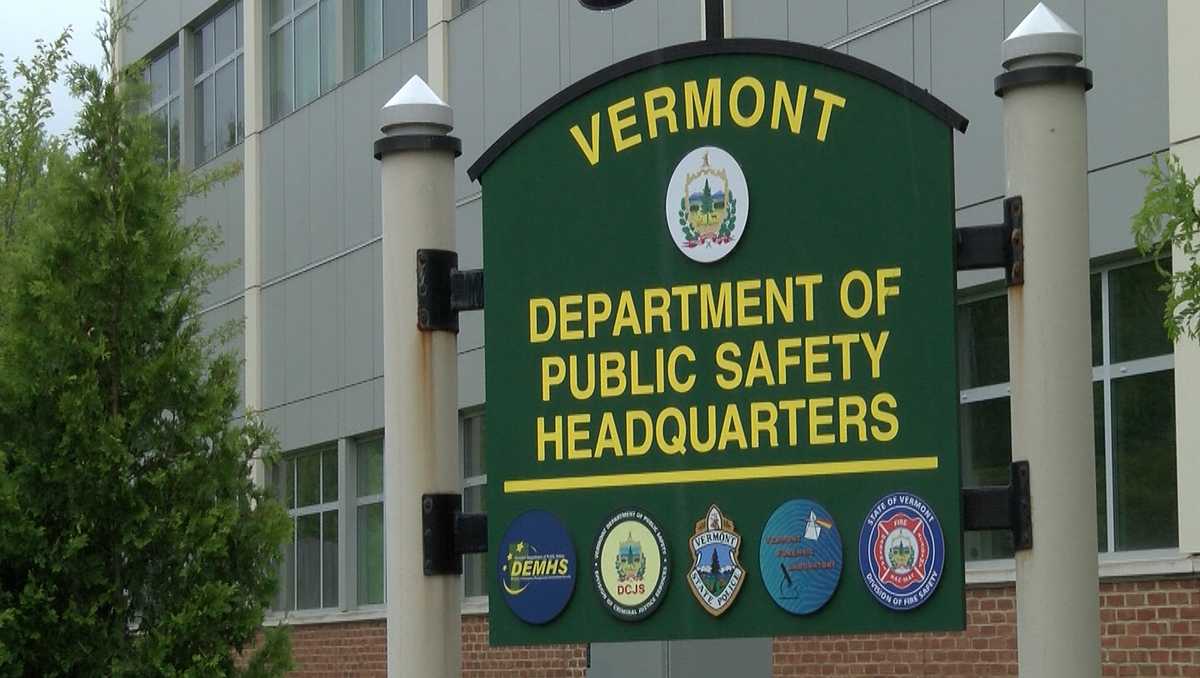
Vermont Takes Valcour Law Enforcement System Offline After Vendor Security Alert
Vermont law enforcement agencies switched to backup procedures Tuesday after the state pulled its Valcour records and dispatch...

BYU Renews In-State Rivalry With Utah State on Wednesday – BYU Athletics
BYU women’s basketball moved to 5–0 for the fourth straight season with an 82–65 win over New Mexico...

CTTS CEO Josh Wilmoth Urges Tech Resilience for Central Texas Businesses
Apple services went dark for Austin users this week, a classified NSA network suffered an unexplained outage, and...

ASCAP honors Gorley, Judd, West, Queen at Nashville Songwriters Celebration
ASCAP capped its annual Nashville Songwriters Celebration on Sunday night, handing out top honors to the writers and...