Ohio claimed CNBC’s top ranking for business climate in 2026, yet the Columbus Region is outpacing the state on population and job growth.
CNBC cited Ohio’s No. 1 rankings in Infrastructure and Cost of Doing Business, noting “more than 143 million people living within a day’s drive, low real estate costs, reasonable utility and insurance costs, generous incentives and shovel-ready sites,” columbusceo.com reported. The Columbus Region has turned those fundamentals into the fastest-growing metro in the Midwest.
The Columbus MSA population reached 2,242,028 on July 1, 2025, up 4.7 percent from five years earlier, with a one-year growth rate of 0.96 percent — nearly double the national rate, according to U.S. Census Bureau estimates cited by columbusceo.com. International migration accounted for more than half of the one-year gain. The Mid-Ohio Regional Planning Commission projects 3.15 million residents by 2050.
Job growth tells a similar story. The metro added 11,977 jobs from March 2025 to March 2026, ranking No. 6 among the top 56 U.S. metros with a 1.1 percent year-over-year rate — the highest in the Midwest and more than 18 times the national average, according to Bureau of Labor Statistics figures analyzed by One Columbus.
“First and foremost, it’s the talent. I describe it as both talent migration and talent development in Central Ohio,” said Ron Starner, executive vice president of Conway Data Inc., which publishes Site Selection magazine.
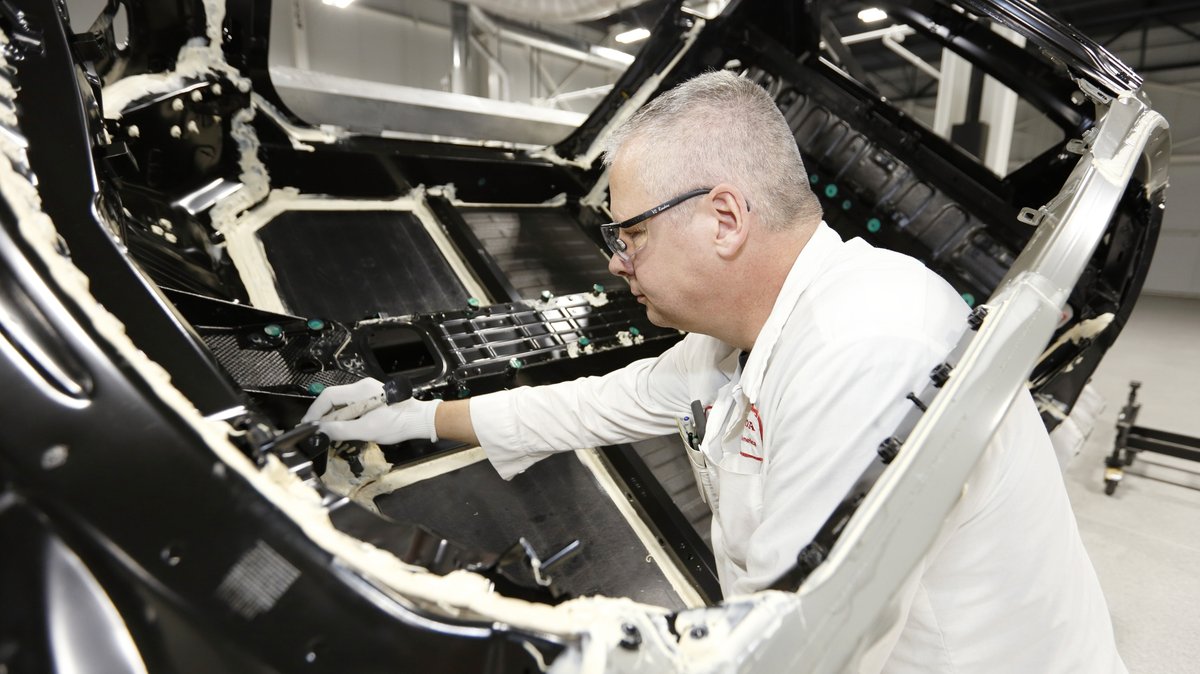
That talent pipeline draws global capital. More than 350 international companies now operate 387 facilities across the Columbus Region, employing more than 49,000 people, bizjournals.com reported. Japan leads with more than 150 Japanese-owned operations employing over 25,000 workers, including Honda’s expanding EV investments. Germany accounts for 38 companies with 55 facilities and 3,900 employees.
Advanced manufacturing anchors the expansion. Anduril Industries’ Arsenal-1 site near Rickenbacker International Airport represents a nearly $1 billion investment and more than 4,000 jobs anticipated by 2035 — the largest job-creation project in state history. The company rolled its first Fury autonomous air vehicle off the line in July and plans two more products by year-end.
“Anduril is changing the defense industry in a big way. Their investment in Ohio is going to be tremendously impactful. I think right now, we’re probably a little bit at the tip of the iceberg with what the defense tech industry can become across the state,” said Tom Stipkovich, vice president of corporate investment at One Columbus.
About 26 miles northeast, Intel’s Ohio One campus in Licking County carries a planned $28 billion commitment — the largest private-sector investment in Ohio history. In life sciences, Amgen invested $474 million in a 300,000-square-foot facility that opened in February 2024 and announced a $900 million expansion in April 2025 to grow headcount from 400 to 750 by 2027.
“It’s such a good and fun success story. The pace at which they were able to become operational, staff that facility up and then reinvest in the market, you can’t do that everywhere,” Stipkovich said.
The region’s economic base remains broad. No single sector exceeds 16 or 17 percent of regional employment, Stipkovich noted. Central Ohio hosts five Fortune 500 companies and 18 on the Fortune 1000. Post-pandemic, manufacturing opportunities in the pipeline have increased.
Recognition follows. One Columbus earned its eighth Mac Conway Award in nine years from Site Selection in July. The region ranked No. 1 on the 2025 Global Groundwork Index and placed No. 7 among Tier 1 Top Metros — its 14th consecutive top-10 finish. Brookings Institution named Columbus a Star Hub in its July 2025 “Mapping the AI Economy” report, one of 28 metros with strong AI ecosystems.
“Places like Columbus that have a strong manufacturing history, have a major technology-oriented university and a sort of pro-growth atmosphere are going to do very well in an era that is based on AI and defense industries,” said Mark Muro, senior fellow at Brookings.
“When Central Ohio competes for a project, they compete to win. Anduril had 50 suitors. Amgen had 13. The Columbus Region emerged No. 1 in both of those,” Starner said.

Arizona AG Mayes Joins 21 States, Pa. Gov. in Lawsuit to Block HUD Rule Cutting Mixed-Status Housing Aid
Arizona Attorney General Kris Mayes joined 21 other attorneys general and Pennsylvania Gov. Josh Shapiro in filing a...

Nebraska Beats No. 14 Ohio State 31-28, Snaps 32-Game Ranked Skid
Nebraska beat No. 14 Ohio State 31-28 at Memorial Stadium on Saturday, snapping a 32-game winless streak against...

Daniel Jones Clears Waivers, Becomes Free Agent After Colts Release
Daniel Jones cleared waivers Monday and became an unrestricted free agent, NBC Sports reported. The Colts released the...

Missouri State Extends Baseball, Men’s Soccer Coaches Through 2029-30
Missouri State Director of Athletics Patrick Ransdell announced contract extensions for baseball head coach Joey Hawkins and men's...