
The Department of Agriculture ordered tighter coordination among government agencies on Monday to fix gaps in the issuance and monitoring of agricultural import permits, Philippine News Agency reported.
Agriculture Secretary Francisco Tiu Laurel Jr. directed the Bureau of Plant Industry and other DA-attached agencies to strengthen monitoring and ensure strict compliance with rules governing import permits, particularly prescribed deadlines and documentary requirements. The directive aims to plug gaps in government processes, clarify agency responsibilities and prevent delays or lapses in permit issuance, according to the DA’s official portal.
Senate hearing spurs action
The order followed a Senate Committee on Agriculture hearing where Sen. Francis “Kiko” Pangilinan raised concerns about coordination among agencies in the issuance and monitoring of import permits and enforcement of requirements and deadlines. Tiu Laurel welcomed the lawmaker’s recommendation to ensure proper scrutiny over the country’s importation.
“We need government agencies working as one, with clear responsibilities and reliable monitoring,” Tiu Laurel said. “This is essential to protecting the integrity of our import processes and ensuring that decisions are timely, transparent, and accountable.”
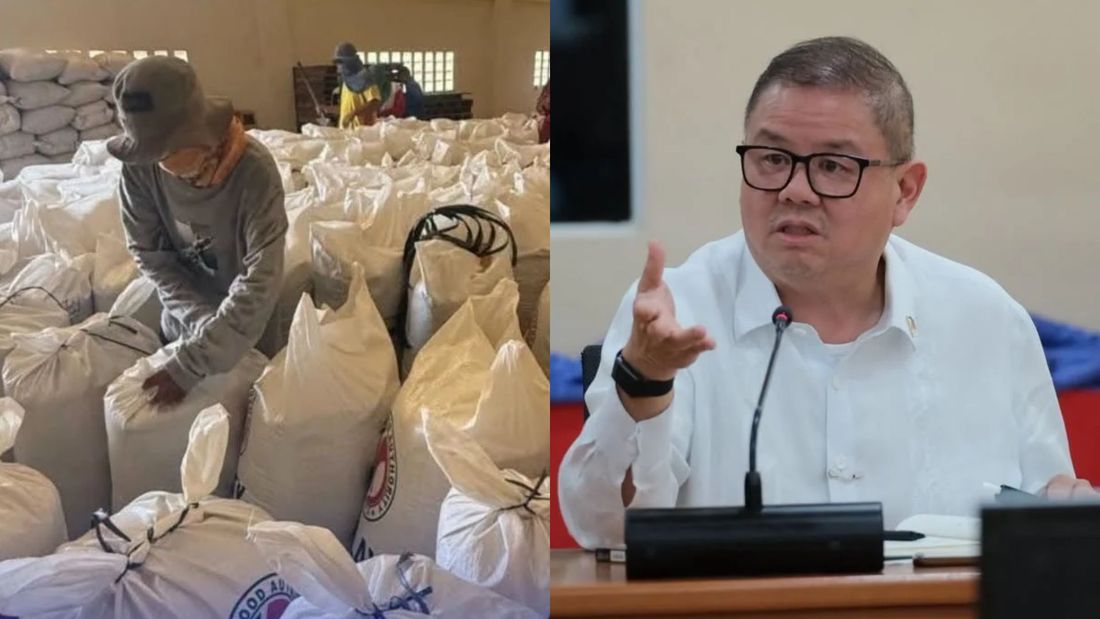
MV Tay Son 2 shipment canceled
During the hearing, Tiu Laurel cited the cancellation of a 2,000-metric-ton rice shipment aboard the MV Tay Son 2, which arrived at Davao port from Vietnam, as part of efforts to prevent imports from affecting local producers during harvest season, DZRH reported.
He said he ordered the cancellation after Planters Products Inc. declared its contract for the shipment had expired. The cargo was originally scheduled to arrive in July 2026, outside the local harvest season.
“Pina-cancel ko agad para hindi na maapektuhan pa ang mga farmers. Ang aim namin is ma-protektahan yung mga farmers,” Tiu Laurel told the hearing. “Ang issue na lang ngayon is yung Tay Son 2 kung talagang may smuggling ba yan o wala.”
Tiu Laurel also explained the government could no longer impose a policy prohibiting rice imports with 5% broken grains and requiring 25% broken grains, citing provisions of the Rice Tariffication Law. The investigation into the MV Tay Son 2 shipment will determine whether it violated existing laws and regulations on agricultural imports.
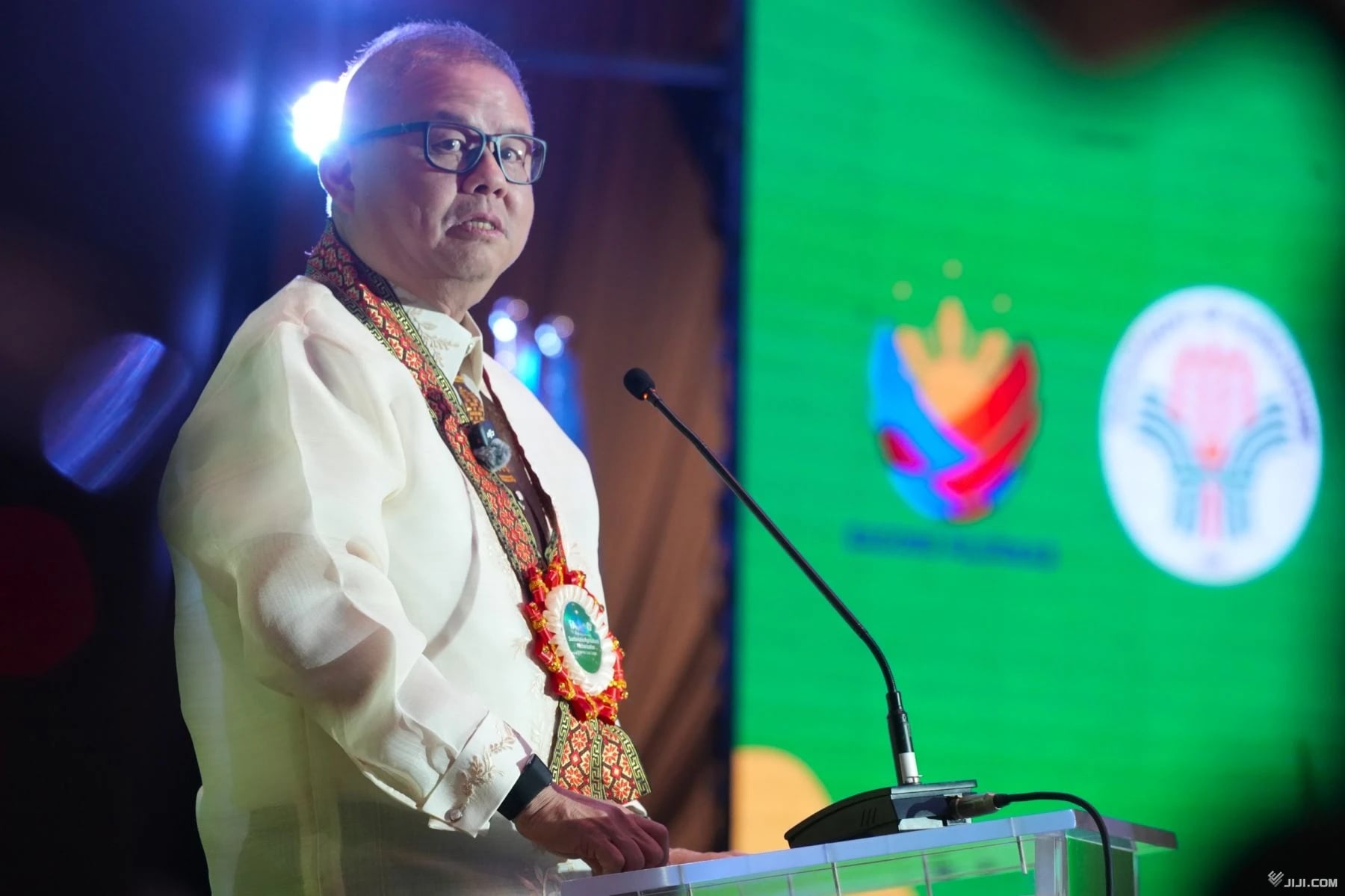
Tiu Laurel links accountability to fair assessments
Tiu Laurel stressed that accountability must be anchored on fair and thorough assessments, noting import decisions involve multiple agencies, regulatory requirements and competing sectoral interests.
“Accountability must hand in hand with fairness. "We must establish the facts, identify responsibilities accurately, and address coordination gaps without losing sight of the bigger picture in which decisions are made," he said.”
The DA said it would consider Pangilinan’s observations as it implements tighter controls, improves inter-agency coordination and strengthens enforcement mechanisms, the Philippine Daily Inquirer reported.
Agriculture Secretary Francisco Tiu Laurel Jr. has led the department since 2023 after decades heading Frabelle Fishing Corporation, a deep-sea fishing, aquaculture and cold-chain operator across the Asia-Pacific, and serving as president of Agusan Power Corporation, which runs the 24.9-megawatt Lake Mainit hydro plant in Agusan del Norte.
He also chaired the World Tuna Purse Seine Organization for sustainable global fisheries management and held leadership roles in the Confederation of Philippine Tuna Industry and the Bangus Council processing sector.
Since his 2023 appointment, Tiu Laurel has moved to tighten import-permit controls, ordering the Bureau of Plant Industry and other DA-attached agencies to enforce prescribed deadlines and documentary rules after a Senate hearing exposed coordination gaps.
“Our goal is to address the root causes of these problems and build a more efficient, transparent, and accountable agricultural bureaucracy that delivers better results for farmers, fisherfolk, and consumers,” Tiu Laurel said.

Genetic Mosaic in Darwin’s Tree Finches Reveals Hybrid Origin of Beak Size
A study published October 11 in Nature Communications shows that western large tree finches on the Galápagos Islands...

SP, Congress Open UP Seat-Sharing Talks; Congress Submits 130-Seat List
Samajwadi Party and Congress leaders opened formal seat-sharing talks for the 2027 Uttar Pradesh Assembly elections on Monday...

NASA Pauses Perseverance, Odyssey Science After Hardware Faults
NASA paused science operations on the Perseverance rover and the Mars Odyssey orbiter after both spacecraft developed separate...

AdAPT-001 Plus Checkpoint Inhibitor Shows Responses in 6 of 8 Refractory Angiosarcoma Patients, Median PFS 13 Months
An oncolytic virus engineered to block TGF‑beta, given with a checkpoint inhibitor, produced responses in six of eight...