
The Flavor of Football: How Columbus Menus Immortalize Buckeye Icons
If you spend enough time in Columbus, you learn that the line between local dining and the legacy of Ohio State football is remarkably thin. On any given Saturday in November, the city’s culinary scene acts as an extended shrine to the coaches and players who have defined the program’s history. From dry-aged ribeyes downtown to amber lagers in Gahanna, the names of Buckeye legends are no longer just etched into the Ring of Honor at Ohio Stadium—they are printed directly onto the menus of the city’s most prominent establishments.
According to reporting from the Columbus Dispatch, this trend has moved beyond simple novelty. It has become a distinct feature of the local hospitality landscape, where the identities of figures like Woody Hayes, Archie Griffin, and Urban Meyer are woven into the very fabric of the dining experience. While the practice is common, the execution varies wildly. At Hyde Park Prime Steakhouse, for instance, the menu reads like a roster of national-championship-winning coaches, offering diners a choice between a Ryan Day ribeye or a Jim Tressel-inspired New York strip.

Defining the Menu Through Historical Stats
The connection between the plate and the play-caller often relies on the weight of history. Take, for example, the treatment of Woody Hayes. Nearly 50 years after his final game, Hayes remains the winningest coach in the program’s history. His presence in the city is inescapable—from the athletic center and the campus street that bear his name to the “Woody” red ale brewed by Thunderwing Brewing. By pairing his name with a classic Irish red, the brewery leans into the long-standing cultural association between the coach’s era and the “scarlet” identity of the Buckeyes.
The data supports this reverence. In 2025, readers of the Columbus Dispatch voted Archie Griffin—the only two-time Heisman Trophy winner in college football history—as the greatest Buckeye player of all time. Hyde Park Prime Steakhouse acknowledges this status with the “Steak Griffin,” a filet mignon crusted in herbs and garlic. It is a high-end tribute to a career that saw Griffin rush for 5,589 yards between 1972 and 1975, an Ohio State record that remains untouched decades later.

The “Well-Done” Exception and Culinary Reality
Not every legend, however, gets a steak named in their honor—and sometimes, the exclusion is a deliberate choice. Jeff Ruby’s Steakhouse offers a “Herbstreit Roll,” a sushi dish featuring shrimp tempura and king crab. The decision to opt for sushi rather than a prime cut of beef for former quarterback and Kirk Herbstreit stems from a widely publicized admission. During a Sept. 26, 2026, episode of “College GameDay,” Herbstreit revealed a preference for steaks cooked well-done and topped with A.1. sauce, a culinary choice that drew near-universal condemnation from the college football community.
This discrepancy highlights a broader reality of the Columbus food scene: branding is only as strong as the reputation behind it. At Urban Meyer’s Pint House in Dublin, the memorabilia is everywhere, but the menu remains focused on standard fare. A burger is simply a burger, and the kitchen avoids attaching the names of coaches to side dishes like Brussels sprouts. It is a tacit acknowledgment that while fans are happy to toast to a “Bourbon Meyer Buckeye Stout” at Barley’s Brewing Co., there is a limit to how much brand integration a dining experience can sustain before it drifts into the performative.

Economic Stakes and Civic Identity
For the restaurant industry in central Ohio, these menu items serve as a reliable anchor during the high-traffic football season. The price points are significant—a 26-ounce bone-in ribeye named for Ryan Day commands $95, while the Steak Griffin ranges from $62 to $77 depending on the cut. These aren’t just meals; they are premium experiences designed for a specific demographic of sports fans and local boosters who view their dining habits as an extension of their team loyalty.
Yet, there is an inherent tension in this practice. By turning coaches and players into menu items, restaurants are capitalizing on a transient cultural capital. When a coach moves on or a player’s record is eventually eclipsed, the menu must adapt. For now, however, the strategy remains a successful marriage of sports fandom and local commerce. Whether you are drinking an amber lager named for Eddie George—whose 1995 Heisman season remains a gold standard for Ohio State running backs—or debating the merits of a garlic-topped Tressel strip, the menu serves as a reminder of the city’s singular obsession.
As the season progresses, one question remains open: how much longer can these names hold their place on the marquee before the next generation of Buckeyes earns their spot on the plate? For the moment, the city seems content to keep the history—and the steaks—exactly where they are.

Wyoming Valley West Defeats Hazleton Area 35-7 for District 2 Title
Wyoming Valley West Secures District 2-6A Title in Dominant Performance The atmosphere at Spartan Stadium on Friday night...

WV Dept of Commerce Certifies Boone County data center project
“If the public wants to appeal, there's no way for them to appeal something that they don't know...
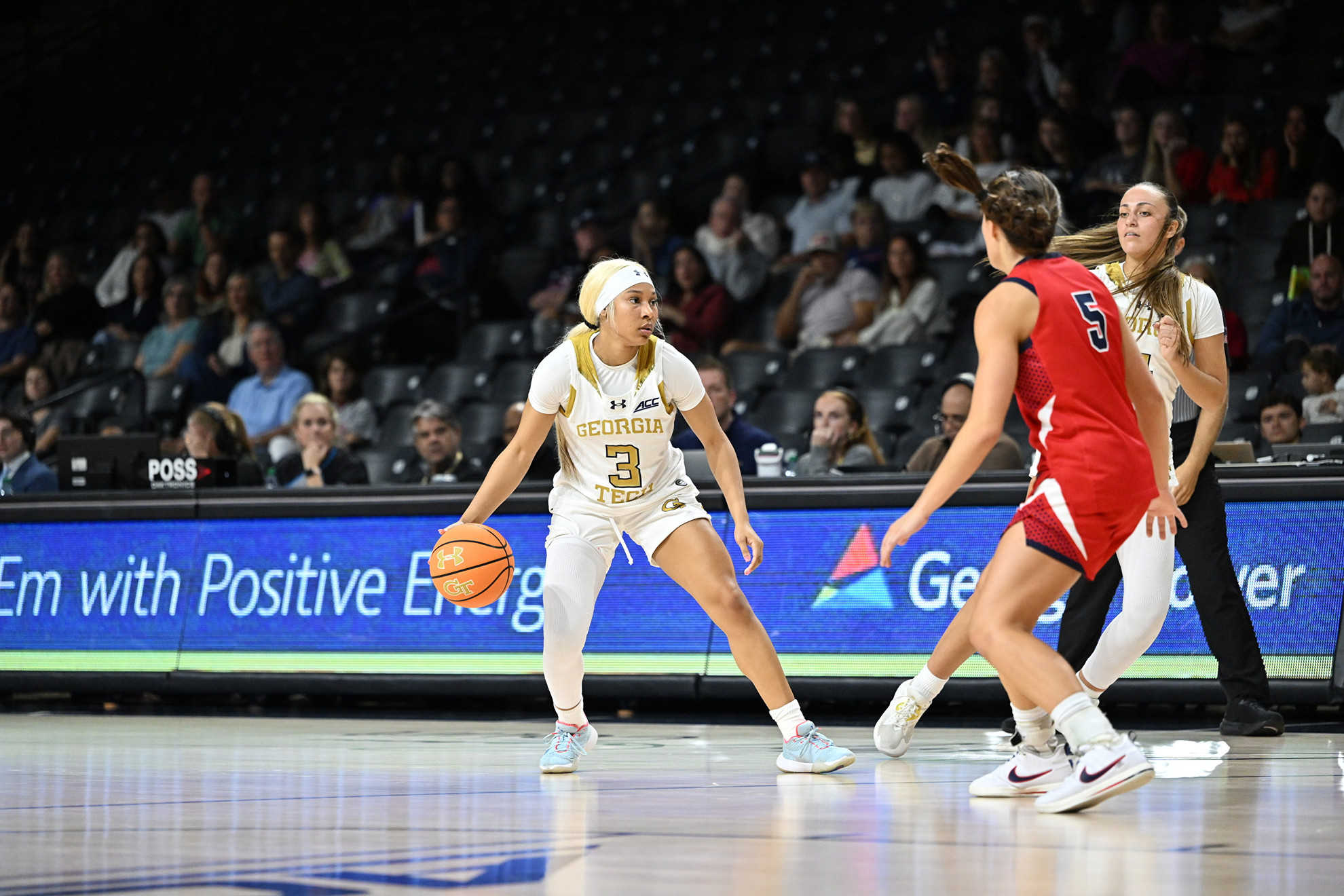
Georgia Tech Women’s Basketball Faces No. 24 West Virginia at McCamish Pavilion
Georgia Tech women’s basketball hosts No. 24 West Virginia at McCamish Pavilion this Sunday at 2 p.m. The...

Nathanial Young performs at Salt Lake City library and Asher Adams hotel
A Saxophone Echoes Through Salt Lake City For one hour on a Friday night, the lobby of a...