
A Saxophone Echoes Through Salt Lake City
For one hour on a Friday night, the lobby of a downtown Salt Lake City hotel ceased to be a mere transit point for travelers. It became a concert hall, saturated with the velvety, resonant vibrations of a saxophone played by Nathanial Young. As reported by The Salt Lake Tribune, the performance drew a crowd far exceeding the 250-person estimate, filling the space with an intensity usually reserved for symphonic stages. Young, a musician who has built a global following through impromptu, free public performances, had arrived in Utah with a singular intent: to interact with the city’s architecture.
The scene at the Asher Adams hotel was a study in collective focus. While some listeners leaned against each other with eyes closed, others stood in silence, one person holding a sign that declared, “This is art” and “You are art.” The performer, dressed in a Salt Lake City library hoodie, played from a second-floor bar overlook, his golden instrument hanging over the wall. It was a stark contrast to the previous evening, when Young performed at the downtown Salt Lake City public library, an event that saw four floors of spectators gather to hear his music.
From Library Halls to Hotel Lobbies
The scale of the audience response was significant. According to Hoodline, more than 1,500 people streamed into the city’s public library on Thursday evening to catch the performance, which had been announced on social media just two days prior. The show was hosted by Visit Salt Lake, an organization that framed the collaboration as an effort to showcase the city’s cultural attractions and unique architecture to new audiences. For a city often defined by its proximity to mountain ranges and ski resorts, the image of thousands filling library hallways for a jazz performance marked a distinct, if temporary, shift in the urban rhythm.
Young’s choice of venue is rarely accidental. He told The Salt Lake Tribune that he chose Salt Lake City specifically after performing at the Vancouver Public Library. He discovered that both buildings were designed by the same architect, Moshe Safdie, and he sought to experience the acoustics of the Utah space firsthand. His process relies on spontaneity; he often gives his 1.1 million social media followers only a day or two of notice before appearing in locations ranging from tunnels in Norway to the Pyramid of the Sun in Mexico.
The Human Stakes of Unplanned Performance
The appeal of these performances lies in their departure from the rigid structures of modern ticketing and event management. David Hernandez, a 21-year-old who attended the library show, noted that the absence of a paper ticket changed the nature of the experience. “It’s not like a traditional performance or concert where you get a paper ticket,” Hernandez told The Salt Lake Tribune. “It’s really spontaneous, kind of happens out of nowhere. It’s just one guy doing it.”
“This was an incredibly moving experience for me. Thank you for being such a great crowd,” Young remarked after his library set, as noted by Hoodline.
The economic and social implications of such events are nuanced. While the performances are free, they act as a catalyst for foot traffic in downtown districts, highlighting the potential for public spaces to serve as community hubs rather than static infrastructure. However, the sheer volume of attendees—such as the crowds turned away from the Asher Adams lobby—demonstrates the logistical pressure these viral events can place on private businesses and public institutions alike. It is a balancing act between the desire for organic engagement and the necessity of managing public safety and building capacity.
A Lasting Impression
Young’s use of technology also bridges the gap between the live audience and his digital presence. He performs while wearing Ray-Ban Meta glasses, which record his eye-level view, effectively turning his performance into a piece of shared digital content. This method allows him to capture the crowd’s reaction in real-time, blending the physical intimacy of a hotel lobby performance with a global digital reach.
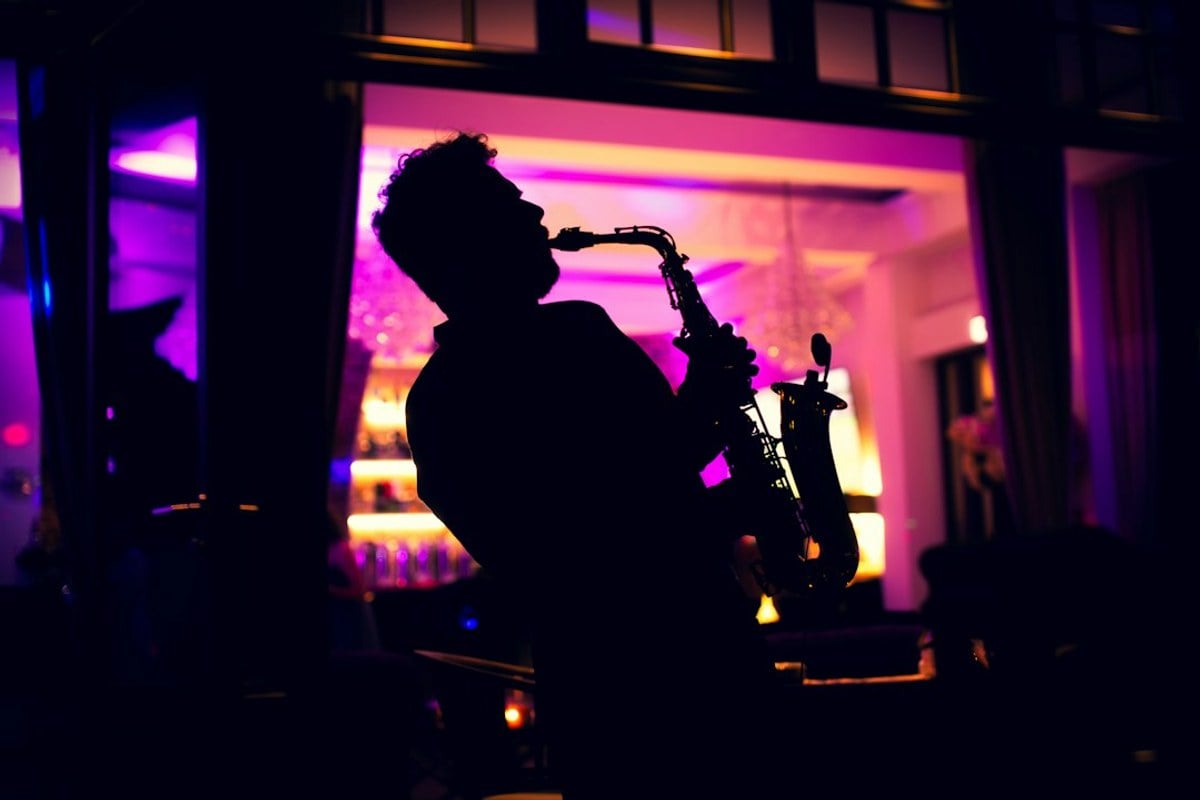
As the set at the Asher Adams concluded, the transition back to normalcy was immediate. Young signed a saxophone for a young performer from St. George, offered a wave, and exited as quietly as he had arrived. The lobby, which moments before had been a space of collective reverence, returned to the quiet hum of a functioning hotel. Whether these performances will lead to a sustained interest in the city’s architectural sites or simply remain a series of viral, fleeting moments remains to be seen. For those present, the memory of the music echoing off the tile floors and high ceilings of the historic train depot serves as a reminder of how art can temporarily rewrite the function of a city.
Keep reading

Wyoming Valley West Defeats Hazleton Area 35-7 for District 2 Title
Wyoming Valley West Secures District 2-6A Title in Dominant Performance The atmosphere at Spartan Stadium on Friday night...

WV Dept of Commerce Certifies Boone County data center project
“If the public wants to appeal, there's no way for them to appeal something that they don't know...
Georgia Tech Women’s Basketball Faces No. 24 West Virginia at McCamish Pavilion
Georgia Tech women’s basketball hosts No. 24 West Virginia at McCamish Pavilion this Sunday at 2 p.m. The...

Miles for Migraine Hosts 8th Annual Walk and Run in Houston
The eighth annual Miles for Migraine Houston event is set to return to Willow Waterhole on Saturday, March...