Jensen Huang bet that American dominance in artificial intelligence depended on the world building on American silicon.
President Donald Trump called that bet a security risk on Monday, rolling out export controls that take effect Thursday and close the cloud-computing loophole that let Chinese firms rent the very chips they are barred from buying.
The rules, published by the Commerce Department, require licenses for advanced-chip shipments to Indonesia, Malaysia, Singapore, Thailand and Brazil — countries the administration says pose an elevated risk of diversion to China. They also tighten oversight of foreign foundries such as Taiwan Semiconductor Manufacturing Co., making it harder for them to fabricate advanced chips for Chinese designers without U.S. authorization.
Most critically, Chinese companies can no longer freely rent large blocks of computing power from data centers in third countries, a workaround that had kept Nvidia’s top-tier processors within reach of Beijing’s AI labs despite years of hardware bans.
“American technology has to win across the world at every single layer,” Huang told the Milken Institute conference in May, laying out a doctrine that tied economic security to national security: flood the zone with U.S. chips, infrastructure and models, and the world builds on the American stack.
The new rules assume the opposite — that America is safer without some customers, even if restricting access costs U.S. companies sales and market share.
The crackdown follows an epic internal fight over Megaspeed, a Southeast Asian chip-rental operation that Commerce began investigating in 2024 for potential export-control violations. Treasury Secretary Scott Bessent publicly blamed Commerce for failing to restrict the company, while State and Pentagon officials pushed for action.
Commerce sought Nvidia records in May 2025; Nvidia put Megaspeed on its “no sell” list the next month. The Justice Department has since taken the lead in a criminal investigation. Megaspeed says it operates lawfully, and Nvidia has denied facilitating smuggling.
After those restrictions took effect, Nvidia employees again pointed Alibaba toward what became Megaspeed as a way to rent Nvidia-powered capacity in Southeast Asia, according to The Information. Such offshore access was legal at the time. The new rules render it illegal.
Founded in 1993 by Jensen Huang, Chris Malachowsky and Curtis Priem, Nvidia began as a gaming graphics startup conceived at a Denny’s diner in East San Jose with $40,000 in the bank. The company went public in 1999 and survived a crowded field of 70 competitors to dominate the GPU market.
In 2025 it became the first company to exceed both $4 trillion and $5 trillion in market capitalization, driven by demand for the AI data-center hardware now at the center of the export controls.
The regulations still contain substantial carveouts, including for commercial recommendation systems of the sort used by TikTok. With billions of dollars at stake, companies are expected to lobby aggressively to widen those exceptions. “Markets are excellent at finding customers, lowering costs and routing around obstacles,” the DNyuz analysis observed.
- Anchorage Weekend: Great Alaska Shootout, Made in Alaska Market, Zine Fair & Holiday Markets
- Colom Plans to Bring ‘Mississippi Values’ to Democratic Party as He Enters U.S. Senate
- Trump meets Xi and Putin in China for nuclear arms and Ukraine talks (newsarchyuk.com)
- Indonesia Could Secure Another US$15 Billion in Investment Commitments From China on Friday (world-today-news.com)

Anchorage Weekend: Great Alaska Shootout, Made in Alaska Market, Zine Fair & Holiday Markets
Anchorage heads into the weekend with a collision of high-stakes basketball, statewide craft commerce, and hyper-local culture that...

Colom Plans to Bring ‘Mississippi Values’ to Democratic Party as He Enters U.S. Senate
Mississippi Sen.-elect Scott Colom told SuperTalk Mississippi Media on Thursday that he intends to bring "Mississippi values" to...
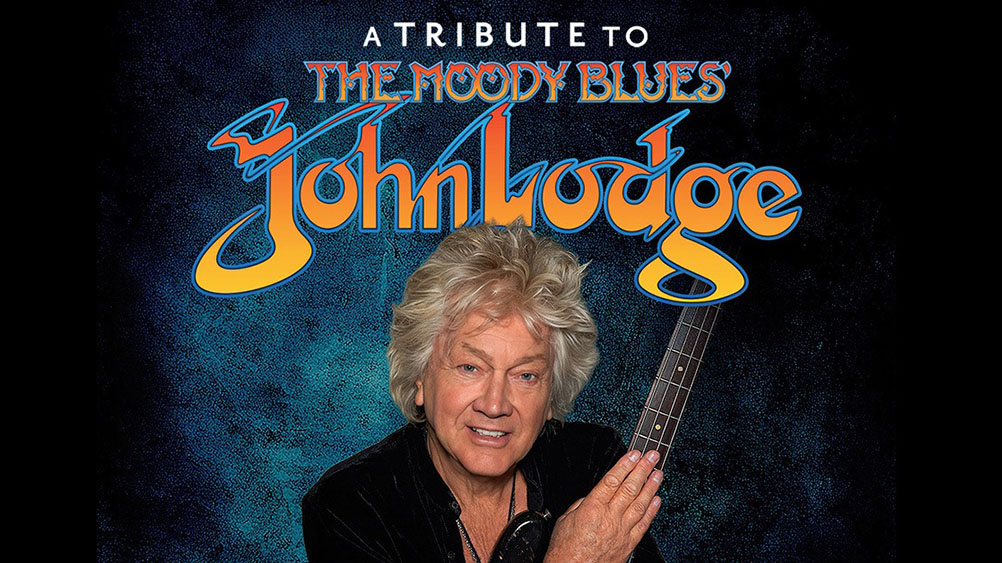
10,000 Light Years Band, Jon Davison Tribute John Lodge at Rams Head Nov. 29
John Lodge’s bass lines will echo through Rams Head On Stage on November 29, six months after the...
Utah Zero-Emission Homes Reach Positive Cash Flow in 9.6 Months to 3.2 Years, Analysis Finds
Utah families buying new homes built to modern efficiency standards see positive cash flow in under three years,...