
Refusing a breathalyzer after a Connecticut DUI arrest launches two separate cases: a criminal prosecution and a faster-moving DMV license suspension that applies regardless of the court outcome. The administrative penalty for a first refusal is a one-year suspension and a $500–$1,000 fine, far steeper than the 45-day suspension that follows a failed test.
Connecticut DMV imposes a one-year license suspension and a $500–$1,000 fine on drivers who refuse post-arrest chemical testing.
Connecticut treats driving as implied consent to chemical testing under General Statutes § 14-227b. When a driver declines a post-arrest breath, blood, or urine test, the Department of Motor Vehicles imposes its own suspension on a separate calendar from the criminal court, The Law Offices of Angel Lugo reported.
The DMV notice arrives with a tight deadline; ignoring it forfeits the right to a hearing while the criminal case can take months.
Penalties escalate with prior refusals
The DMV schedule ties the suspension length and monetary penalty to the number of prior refusals on record. A first refusal brings a one-year suspension and a $500–$1,000 penalty. A second refusal doubles the suspension to two years and raises the penalty range to $1,000–$4,000. A third or subsequent refusal triggers a three-year suspension and a $2,000–$8,000 penalty, according to the DMV impaired-driving guidance cited by the Law Offices of Angel Lugo.
By comparison, a driver who takes the test and registers a blood-alcohol concentration at or above the 0.08% limit for drivers 21 and older faces a 45-day suspension beginning 30 days after arrest, with no refusal-based monetary penalty, Blacks Law Group noted. The gap between the two tracks is the price of the two-track system: the refusal penalty lands in the license track no matter how the court case ends.
| Refusal history | DMV suspension | Monetary penalty |
|---|---|---|
| First refusal | 1 year | $500–$1,000 |
| Second refusal | 2 years | $1,000–$4,000 |
| Third or later refusal | 3 years | $2,000–$8,000 |
| No refusal (BAC ≥ 0.08%) | 45 days (starts day 30) | None refusal-based |
What counts as a refusal
Connecticut regulations define refusal broadly. Saying no outright qualifies, but so does remaining silent when a response is reasonably expected, declining a repeat of the same test type, or refusing a designated alternative after declining a blood draw, the Law Offices of Angel Lugo reported.
The sequence matters: a driver who refuses a blood draw and then agrees to a breath test has a different record than one who refuses both. The firm advises noting the time of arrest, the exact test named, and the officer’s wording while the details are fresh.
Evidence after a refusal
Refusing does not end the criminal case. The refusal itself may be admitted as evidence in both the DMV hearing and the criminal prosecution, and prosecutors can still build a case from officer observations, driving behavior, field-sobriety performance, statements, and video, the Law Offices of Angel Lugo reported.
Connecticut’s statutory framework, including § 14-227a, also allows testing under a search warrant in qualifying circumstances, so a refusal does not guarantee that no chemical evidence will exist.
Challenging the suspension
The license consequence is contested through a DMV administrative hearing, not criminal court, and the hearing deadline controls whether a challenge is available at all.
The Law Offices of Angel Lugo emphasized treating the DMV notice as urgent even when the criminal charge feels more serious, because the license deadline can pass in weeks while the criminal case takes months. Beating the criminal charge does not automatically return the license; the two proceedings remain independent.
NHTSA notes that all states use implied-consent laws and nearly all impose separate administrative penalties for test refusal, making the two-track structure the national norm rather than a Connecticut quirk, the Law Offices of Angel Lugo reported.
Keep reading
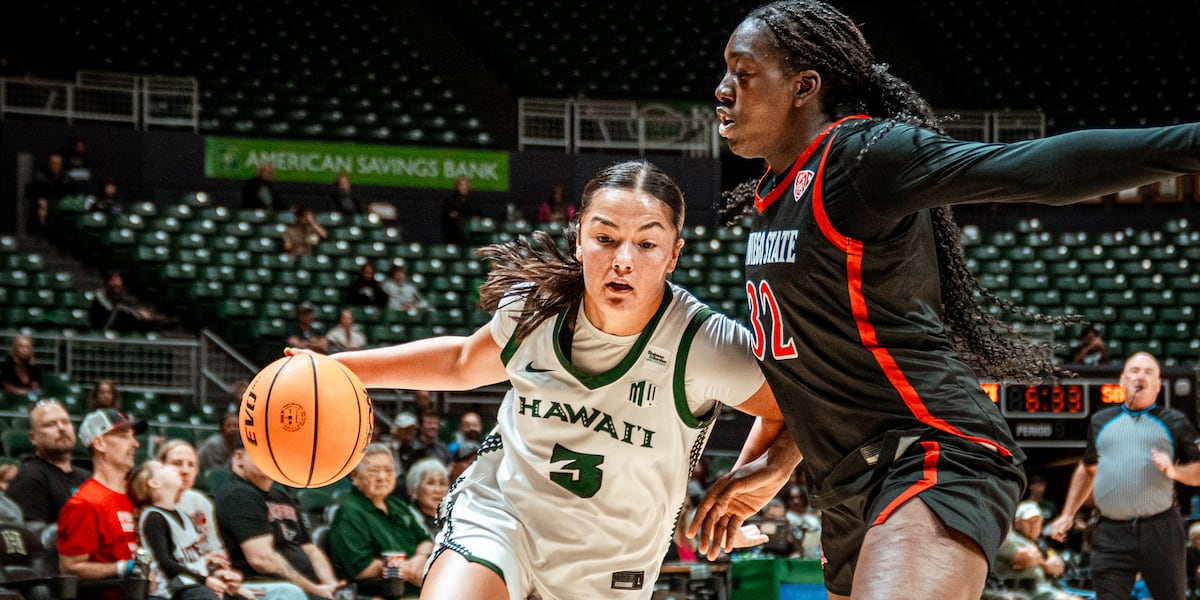
Hawaii Women’s Basketball Defeats San Diego State 71-64 in Rainbow Wahine Showdown Opener
Hawaiʻi women's basketball defeated San Diego State 71–64 on Friday in the opening game of the American Savings...

Annapolis Firms Risk Losing Customers Over Outdated Digital Listings
Annapolis seafood restaurant owner Linda found her online listing still showed winter hours in July, a two-minute fix...

EPA Says No Rise in Lead Levels After US Army Iowa Detonation
Initial lab results show no rise in lead levels in drinking-water sources after the U.S. Army detonated five...
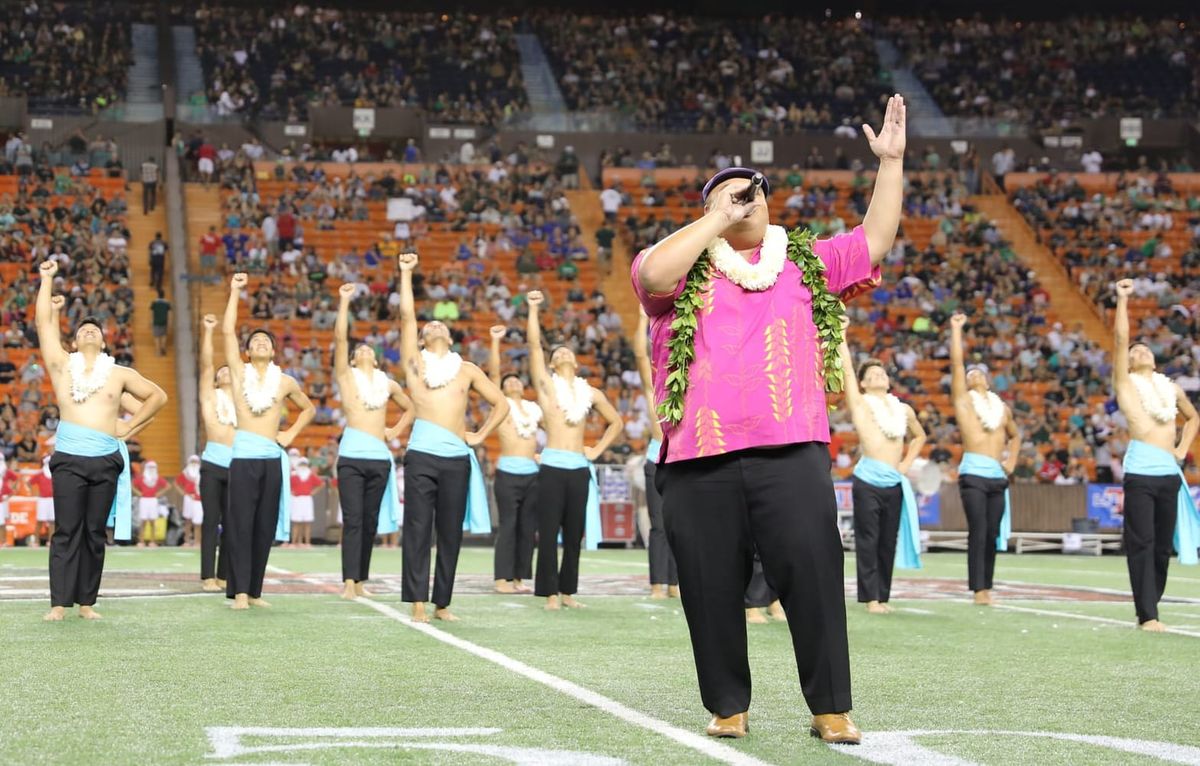
Sacramento State Travels to Hawai’i for Thanksgiving Weekend Game
Sacramento State travels to Honolulu on Saturday for a Thanksgiving-weekend game against Hawai'i that recalls a tradition conference...