When Farmland Meets the Server Rack in Rural Ohio
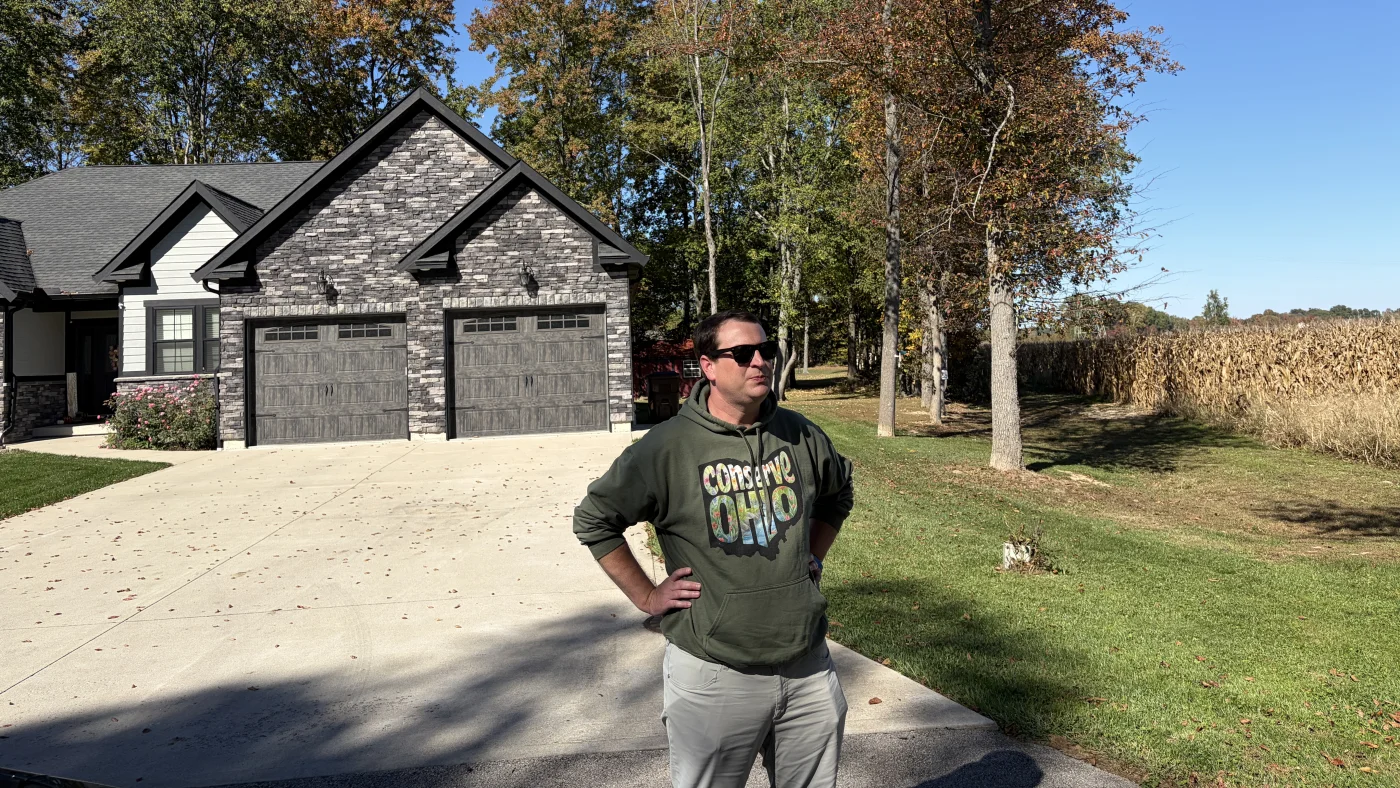
Nick Owens stands at the edge of a Mt. Orab neighborhood, looking across a fence line at property records that tell a stark story. Property records show 1,000 acres of local farmland and trees in Brown County, Ohio, were sold to a data center developer in 2024 and 2025, earmarking the ground for massive hyperscale data centers designed to feed the insatiable energy appetite of artificial intelligence. For Owens, a lifelong Republican, Trump delegate, and small-town attorney, the sudden transformation of his backyard has sparked an unexpected second act as a grassroots organizer. npr.org reported that this quiet exurb of 4,300 people has catalyzed some of the most coordinated opposition to data center expansion anywhere in the United States.
The friction point is simple: Ohio’s abundant land, existing energy infrastructure, and aggressive tax incentives have made it a magnet for tech companies over the past decade. Yet as these campuses grow closer to residential backyards—sometimes running right up against two-story homes—the economic promises of tax revenue and school funding are colliding with stark local anxieties over constant hums, massive emissions, and the potential need for entirely new power plants. For communities built on rural charm, the invisible hand of tech development feels less like progress and more like an invasion.
From Secretive Deals to Statewide Ballots
The opposition effort began out of necessity. Bound by strict nondisclosure agreements that stymied local inquiries, Owens crossed paths with another local attorney and a real estate agent who shared his alarm. What started as localized frustration quickly snowballed. They formed a grassroots network called Conserve Ohio, mobilizing volunteers across nearly all 88 counties in the state. Democrats, Republicans, and Independents have joined forces under a shared banner, united by a desire to protect their local way of life from developments engineered behind closed doors.
That organizing muscle is now turning into direct political action. This fall, Conserve Ohio is backing ballot initiatives in 10 local communities to amend municipal charters and prohibit the construction of large-scale data centers. While hundreds of municipal and county governments have embraced temporary pauses, these ballot measures seek permanent bans. Looking further ahead, the group is circulating a petition for a constitutional amendment with the goal of putting a statewide ban before Ohio voters in 2027.
“All too often you hear from the politicians, ‘Well, the community should have a say,'” Owens told npr.org. “We’re going to find out in ten communities whether or not the communities want them.”

The Midterm Political Fault Line
As election day approaches, the data center debate has crashed headlong into Ohio’s political landscape, creating unusual alliances and deep fractures within the Republican base. In the closely watched U.S. Senate race, former Democratic Senator Sherrod Brown has leaned heavily into the issue, labeling his opponent, incumbent Republican Senator Jon Husted, as the face of data centers due to his past work as lieutenant governor welcoming tech investments to the state. In response, Husted has countered by pointing to Brown’s own historical support for data centers, while pushing federal legislation aimed at forcing data centers to shoulder the costs of power grid upgrades.
Yet these legislative gestures offer little comfort to residents like Linda Moodie, an independent volunteer with Conserve Ohio who spent a recent October evening collecting petition signatures at a Halloween event in Fairfield, Ohio. Skeptical that mainstream candidates will protect local interests once the ballots are counted, Moodie views the grassroots petition drive as the only reliable tool left.
🚨 Ohioans: We Need Volunteers! Protect our state from becoming Big Tech’s data center dump!Conserve Ohio is fighting to ban hyperscale data centers that threaten our land, water, power grid, bills & communities.Volunteer today: https://t.co/XDZLTpLmkHJoin the fight! 🇺🇸
For rural Republican strongholds like Brown County—which voted 80% for President Trump in 2024—the issue is actively dampening political enthusiasm. Owens notes that while yard signs for national candidates were once ubiquitous, the silence on local lawns speaks volumes. That disconnect was sharpened further when President Trump dismissed local opposition on social media, writing on Truth Social that communities rejecting data centers risk ending up “backwards and poor” rather than “successful and rich.” Owens calls those remarks tone deaf, insisting that local residents are simply fighting to preserve their everyday way of life.
For now, construction at the Mt. Orab site hasn’t yet begun, and the land sits quiet. But as petition clipboards fill up at suburban festivals and local voters prepare to weigh in on charter amendments this fall, the silent farmland at the edge of town has become the frontline of a statewide reckoning over the physical footprint of the digital age.
Worth a look

How to Fix Errors on Your Pennsylvania Mail Ballot by County
If you made a mistake on your mail ballot in Pennsylvania, you don't necessarily have to sit on...

Salem Township Approves Data Center Overlay District Expansion
BERWICK — The data center overlay district in Salem Township has more than doubled in size, following approval...

Chickasaw Nation to get over $7 million for tribal energy projects
More than $7 million is headed to the Chickasaw Nation as part of a federal push to expand...

The Vile Politics of the Vivek Ramaswamy Ohio Governor Ad
When you stand with vile, you reveal yourself. That is the stark reality facing the Ohio Republican establishment...