
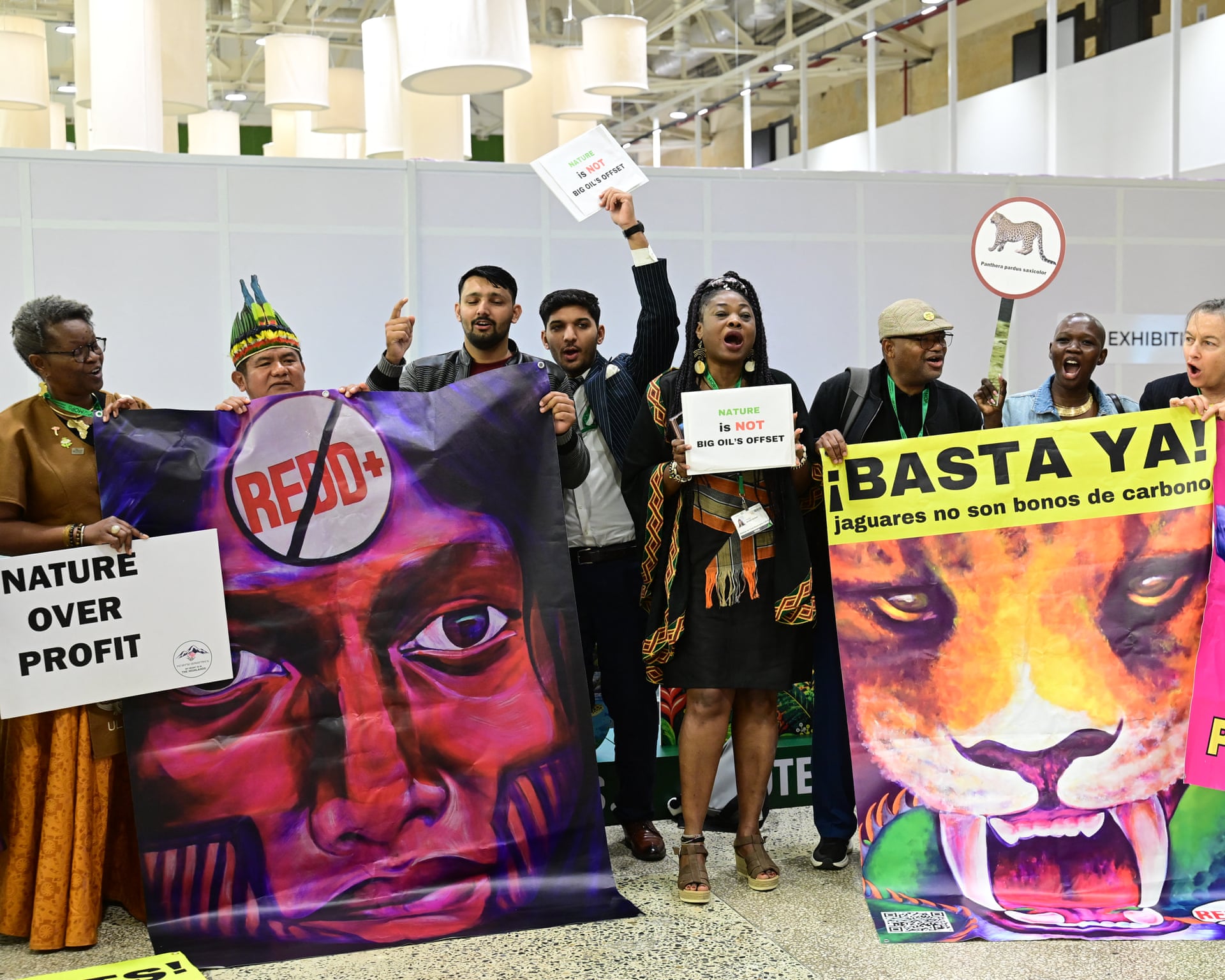
Delegates at the United Nations Biodiversity Conference in Yerevan, Armenia, confront deep financial divisions and missed conservation targets as the summit enters its final days, with developing nations demanding urgent funding and critics questioning the effectiveness of the global process.
Financial Stalemate and the Battle Over 2025 Targets in Yerevan
Negotiations on finance have reached a stalemate at the CBD COP17 nature summit in Yerevan, Armenia, as countries struggle to agree on where new sources of funding for biodiversity will come from. Ahead of the summit, a United Nations assessment revealed that governments are off track to meet nearly all the 2030 targets established under the Kunming-Montreal Global Biodiversity Framework.
Developing countries are highlighting broken promises, pointing out that wealthy nations appear to have missed the milestone of providing $20 billion per year for environmental defense by 2025—an amount that governments in the global south argue is essential for meeting the overarching goal of safeguarding 30% of global lands and waters by 2030. Speaking during the high-level segment’s national statements, Minister of Environment Balarebe Lawal urged industrialized countries to fulfill pledges of providing at least $20 billion a year by 2025 and $30 billion by 2030 to support biodiversity conservation in developing nations.
We call for the fulfilment of the commitment to mobilise at least US$20 billion annually by 2025 and US$30 billion annually by 2030 for developing countries.
Balarebe Lawal, Minister of Environment, Nigeria
Africa’s Regional Capacity Gaps and the Challenge of 30 by 30
While global agreements call for protecting 30% of terrestrial and marine areas by 2030, African nations face profound structural hurdles in turning that ambition into reality. Across Africa and other regions, this objective is currently at risk, with approximately 20% of land and 17% of marine ecosystems under protection as of October 2026.

This caution was voiced at the UN Biodiversity Conference (COP17), where regional groups from Africa pointed out deficiencies in data exchange, institutional strength, and biodiversity tracking that threaten to impede the rollout of the Global Biodiversity Framework. Experts emphasize that rushing to designate protected areas without proper management or local community involvement risks failing both people and nature.
Rethinking Economic Priorities and Institutional Overlap
With negotiations reaching critical mass ahead of the conference’s scheduled conclusion, leaders and officials are pressing for structural reforms to how governments value and fund nature. Inger Andersen, executive director of the UN Environment Programme, stressed that biodiversity protection must become a core component of fiscal policy.
We can start with straightforward matters, such as the draining repetition found in overlapping convention programs.
Pledges and Unresolved Decisions at the Yerevan Summit
Despite the procedural gridlock over long-term finance, conference organizers point to tangible inflows of capital during the first week. COP17 President Hambardzum Matevosyan stated that the summit is facilitating the gathering of over $1.8 billion collectively from public budgets, philanthropic foundations, and private investors to back robust environmental measures The conference has adopted 14 decisions and secured more than $1.8 billion in financial commitments.
As Friday’s final meetings approach, critical debates persist over the specific business sectors that should pay into the newly launched Cali Fund for digital sequence information, the structural details for the permanent Indigenous Peoples body mandated by Article 8(j), and the integration of national conservation plans with wider climate goals As delegates race toward Friday’s closing session, substantial questions remain regarding which commercial users of digital sequence information will contribute to the newly operationalized Cali Fund, how to finalize rules for the permanent body on Indigenous Peoples under Article 8(j), and whether governments can successfully align national biodiversity strategies with broader climate commitments.

Sir Patrick Stewart Dies at 86: Ian McKellen Leads Tributes to Star Trek and X-Men Icon
Ian McKellen Leads Tributes as Sir Patrick Stewart Dies at 86 The cultural landscape of stage and screen...

Grey’s Anatomy: Simone Griffith Faces Medical Crisis in Episode 3
Simone Griffith Faces Complications on Grey's Anatomy Simone Griffith faces a medical emergency on Grey's Anatomy Season 23,...

Details of Dónal Lunny’s funeral arrangements announced – RTE.ie
Dónal Lunny’s Funeral Arrangements Spark Global Outpouring for a Folk Music Pioneer Irish folk music lost one of...

Mamma Mia! How Abba legend Benny Andersson is behind a budding blue hen and her brilliant family – Racing Post
Abba Legend Benny Andersson Builds an Equine Dynasty With Lavender's Blue ABBA co-founder Benny Andersson has spent decades...