
Global climate negotiations opened in Antalya, Turkey, under the immediate shadow of an infrastructure funding standoff and a stark warning from the United Nations that the planet has entered a new age of climate extremes.
Thousands of delegates assembled at a sprawling expo center for the UN’s COP31 summit, which runs through November 20, according to reporting by rte.ie and the Irish Examiner. Negotiators spent the opening hours deadlocked over whether to include formal climate finance discussions on the official agenda, forcing a one-hour delay to the opening ceremony.
“So, as well as sending signals, COP31 must supercharge solutions,” UN Climate Change Executive Simon Stiell told delegates in his opening address, as reported by rte.ie. He argued that rising fossil fuel costs were hurting households while vulnerable nations faced immense frustration accessing promised financial support.
A Fractured Start Over Finance
The summit’s co-hosting arrangement—with Turkey presiding and Australia leading negotiations—comes at a time of exceptionally low expectations. Observers point to geopolitical tensions and an ongoing oil price shock as major hurdles for the conference.
Developing nations arrived demanding immediate platforms to discuss adaptation finance and the mechanisms agreed upon at COP30 in Brazil to ensure wealthy nations provide adequate transition funds. However, developed countries have taken a hard line against expanding funding commitments.
“This has already been a difficult start for COP31,” Jasper Inventor, head of Greenpeace’s COP31 delegation, told rte.ie. ActionAid Ireland chief executive Karol Balfe added that countries facing climate disasters are being pushed further into debt by inadequate international support, as noted by The Journal.
Meanwhile, the United States is absent from official negotiations following President Donald Trump’s withdrawal from the UN framework convention on climate change, though a congressional delegation is traveling to Antalya, per rte.ie and The Guardian.
Europe Steps Into the Breach
Ireland has assumed an unusually prominent diplomatic role at the summit, holding the presidency of the Council of the European Union. Irish climate minister Darragh O’Brien is leading the bloc’s negotiations alongside the European Commission, coordinating positions on emissions targets and financing, according to The Journal.
Yet Ireland arrives carrying a domestic credibility gap. Environmental Protection Agency projections indicate that full implementation of planned domestic policies will reduce Irish greenhouse gas emissions by only 25% by 2030, falling far short of the national target of 51%, as reported by the Irish Examiner.
European climate commissioner Wopke Hoekstra will oversee the final stages of the talks for the EU, with competition against China expected to be a major thematic focus. China remains the world’s largest greenhouse gas emitter, accounting for nearly a third of global annual carbon output.
The Electrification Push and Resistance
Turkey and Australia have branded the two-week gathering as the “implementation COP,” pushing for practical steps to turn past declarations into binding action. The centerpiece of Turkey’s proposed “action agenda” is an electrification drive aiming to raise the share of global energy demand met by electricity from roughly 20% today to 35% by 2035.
Yet that proposal has sparked immediate friction. The European Union is pushing for “clean” electrification to ensure fossil fuels are not simply replaced by gas-fired power generation. At the same time, oil-producing states led by Saudi Arabia continue to push back against language explicitly calling for a transition away from fossil fuels, echoing similar fights at COP30.
“There will be inevitable window dressing applied and positive words, but the fundamental issues will remain,” Prof. Peter Thorne of the Icarus climate research centre at Maynooth University told The Irish Times, citing yawning finance, equity, and ambition gaps.

Angkor Wat Tourism Faces Rebound as Peak Season Begins, Xinhua Reports
The golden sun over Cambodia’s Angkor Archaeological Park is illuminating more than just stone carvings this November; it...

Pope Leo XIV Visits Argentina and Rebukes Milei’s Austerity Measures
A Diplomatic Pivot in Buenos Aires Pope Leo XIV arrived at Buenos Aires’s Jorge Newbery airport on Sunday,...
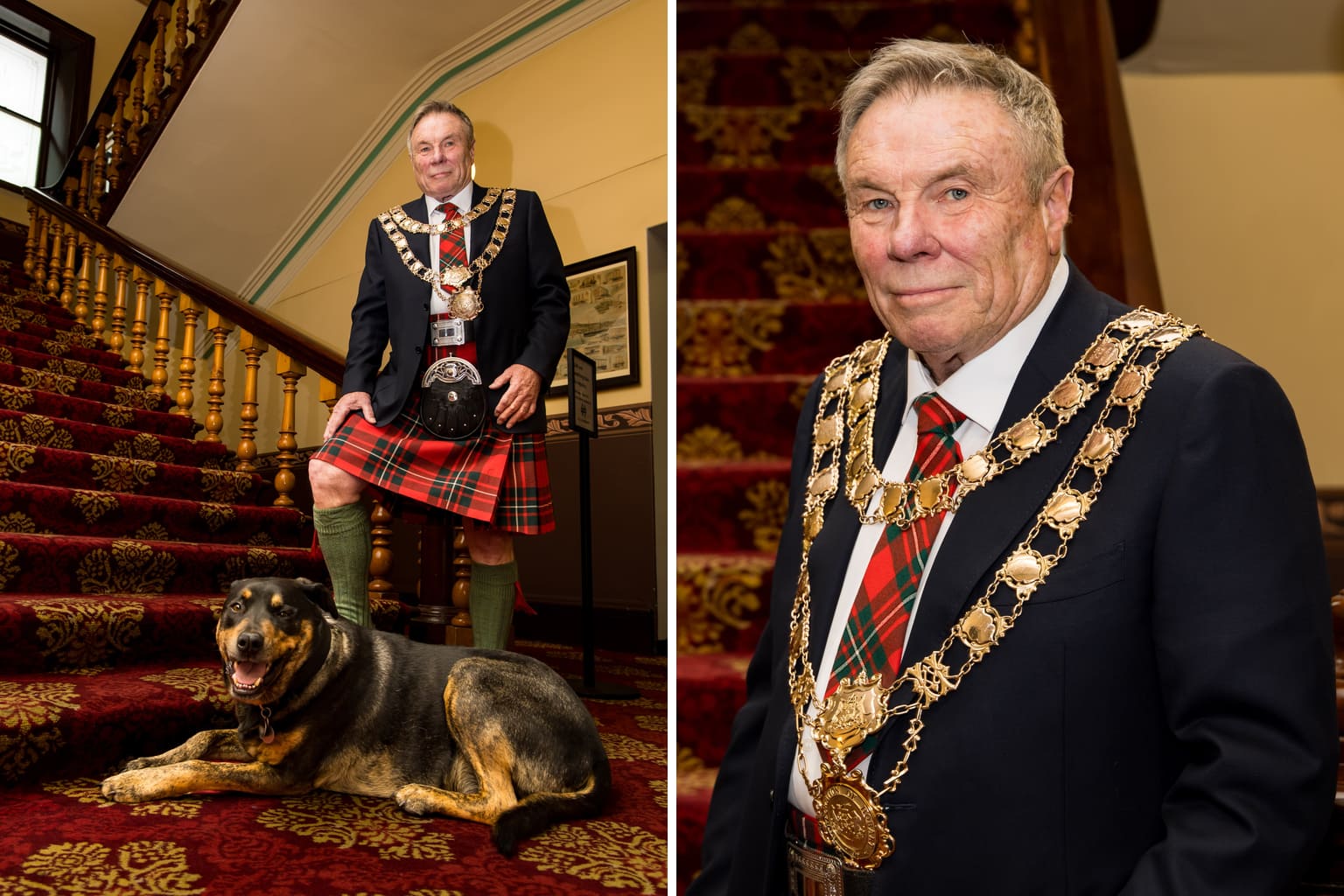
Former 60 Minutes Reporter Charles Wooley Sworn In As Hobart Lord Mayor
Former 60 Minutes reporter Charles Wooley was sworn in as Hobart’s lord mayor, telling the ceremony that residents...

Actress Ji-an and Baseball Player Eom Jung-wook Marry in Seoul
Actress Ji-an and former professional baseball player Eom Jung-wook held a wedding ceremony on the 7th at a...