
A Diplomatic Pivot in Buenos Aires
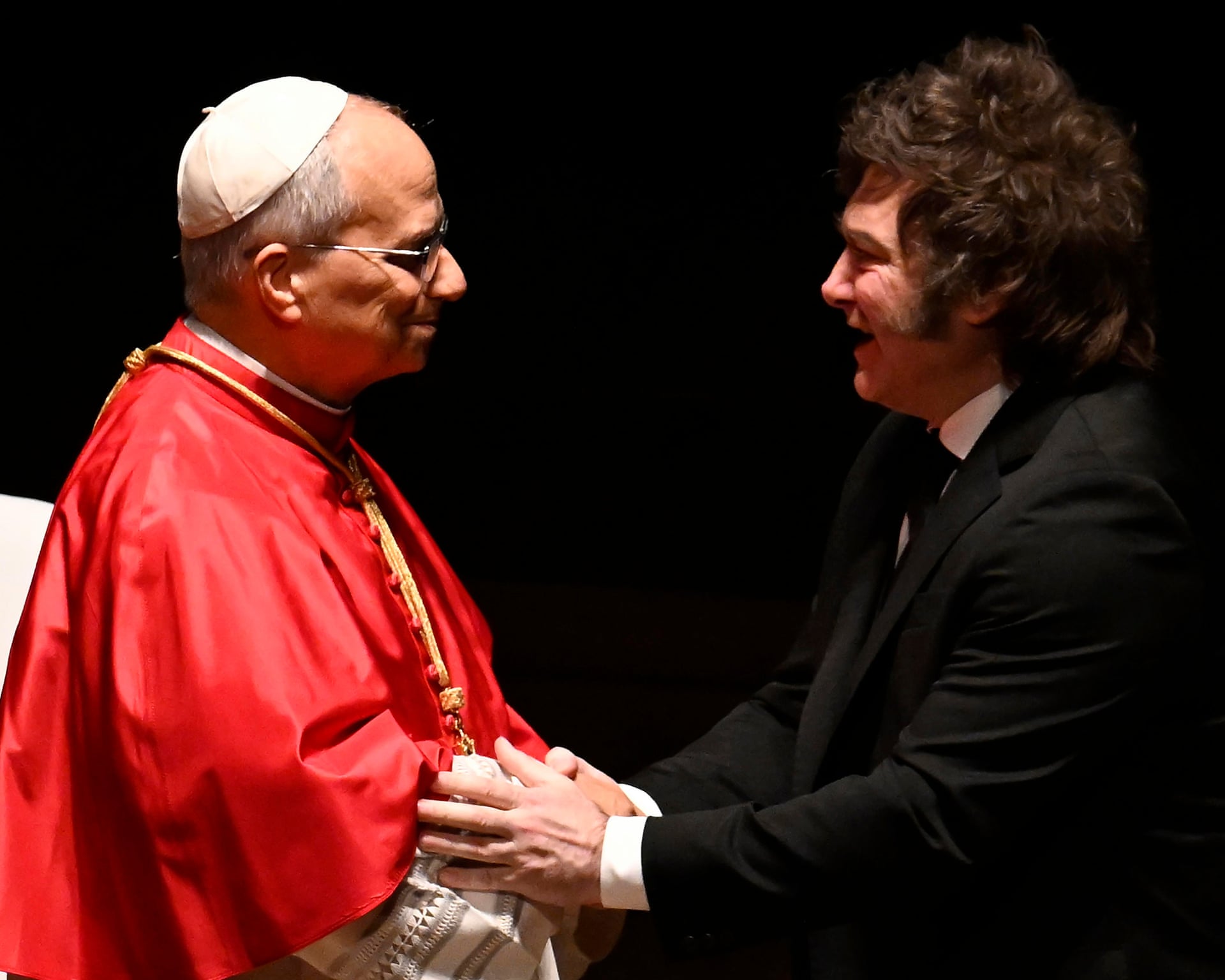
Pope Leo XIV arrived at Buenos Aires’s Jorge Newbery airport on Sunday, marking the first papal visit to Argentina in nearly four decades.
The pontiff's arrival may change the often-tense relationship between the Vatican and President Javier Milei’s administration.
The visit comes at a precarious moment for Argentina. While Milei has successfully secured a budget surplus and curtailed runaway inflation, his aggressive austerity measures—including the privatization of state companies and deep cuts to public welfare—have left real wages suppressed and over 300,000 formal jobs lost.
Pope Leo XIV arrived in Argentina on Sunday afternoon for the second leg of his 12-day Apostolic Journey to three South American nations. The Pope was welcomed to Argentina by President Javier Milei. pic.twitter.com/ePczX2ROO6
Pope Leo Urges Policies Protecting the Vulnerable
In his opening address, Pope Leo delivered a pointed critique of the current economic trajectory. “The economy must serve the person, not the person the economy,” the pontiff told leaders in the capital. While he acknowledged the necessity of stimulating private initiative, he urged the government to implement policies that specifically protect retirees, the unemployed, and the working poor struggling to meet household needs.
The speech was met with rapturous applause from those gathered in Buenos Aires. The pontiff’s message served as a direct counter-narrative to the president’s approach, which has faced intense scrutiny for treating essential social services, such as public universities and hospitals, as mere budgetary constraints. Despite these ideological clashes, President Milei welcomed the pontiff, striking a tone significantly more diplomatic than his past rhetoric.
[Pope’s visit to Argentina sets up showdown with ‘hyper-capitalist’ Milei] “President has opposing views on many issues, and once called Leo’s predecessor the ‘representative of the Evil One’“https://t.co/rYqwI2Pbc0””
A History of Fractured Ties
The current state of affairs stands in stark contrast to the era of Pope Francis, who was born in Buenos Aires in 1936. Milei, who rose to power through a 2023 dark-horse campaign, frequently used his platform to attack Francis. Francis, the first pope from the Americas, never visited his home country during his papacy, which ended with his death in 2025.
Reverend Lorenzo “Toto” de Vedia, who serves poor communities in Buenos Aires, suggested that Pope Leo’s visit is an attempt to rectify that historical omission. “Leo is going to make the visit that Francis never did,” he said. For many Argentines, the visit is a test of national unity. As one 68-year-old teacher said, “Just like the World Cup unites us, hopefully the pope will too.”
The Landscape of Declining Faith
Beyond the political theater, the Vatican faces a demographic challenge in the region. A Pew Research Center survey indicates that the percentage of self-identifying Catholics in Argentina plummeted from 71 percent in 2013-2014 to 58 percent a decade later. Recent polling from the University of Buenos Aires suggests the figure may be even lower, at approximately 57.7 percent.
The pontiff’s tour, which began with a pilgrimage to Uruguay’s national Marian shrine in Florida, reflects a broader mission to address the spiritual drift of the Latin American faithful. During his time in Uruguay, Pope Leo offered solace to parents whose children have abandoned their religious practice, emphasizing that faith must occupy a “genuine place” in family life.
My arrival in #Argentina is personally meaningful. For years, the universal Church listened to the voice of Pope Francis, who treasured, in his memories and in his heart, the places, the people, and the faith that he received here. #ApostolicJourney
Pope Leo Visits Historical Sites and Local Institutions
Pope Leo’s itinerary includes visits to a prison, a home for disabled people, and celebrations of mass in Buenos Aires, Lujan, and the province of Cordoba. His presence at the San Martin monument, where he paused for silent reflection, showed the importance of his diplomatic role. The site serves as a memorial to the liberator of Argentina, Chile, and Peru, grounding the visit in the nation’s historical identity.
Whether this visit will lead to a sustained policy shift remains an open question. While Milei has maintained a loyal base of support through his inflation-reduction efforts, his government continues to face criticism over the restriction of democratic freedoms, including the right to protest.
As the pontiff prepares to depart for Peru on Wednesday, the tension between his call for state investment in education and the president’s mandate for fiscal austerity remains the central, unresolved friction point for the country.
“Ensuring that health care is accessible to everyone, regardless of their resources, is a duty that confronts every society” says Pope Leo reflecting on the importance of access to healthcare like many of us do after we or those close to us have needed it https://t.co/JLoHtm5j5z
More on Pope Leo
Pope Leo XIV urged Argentina to protect democracy during an address alongside President Javier Milei, stressing that leaders must recognise the limits of their power and they must act in service for the common good. pic.twitter.com/0sGGOWWqTc
Pope Leo XIV arrived for a four-day visit in Argentina where the Catholic Church and President Javier Milei are increasingly at odds over how to deal with society’s most vulnerable. https://t.co/S0o4tXyHrk
Keep reading
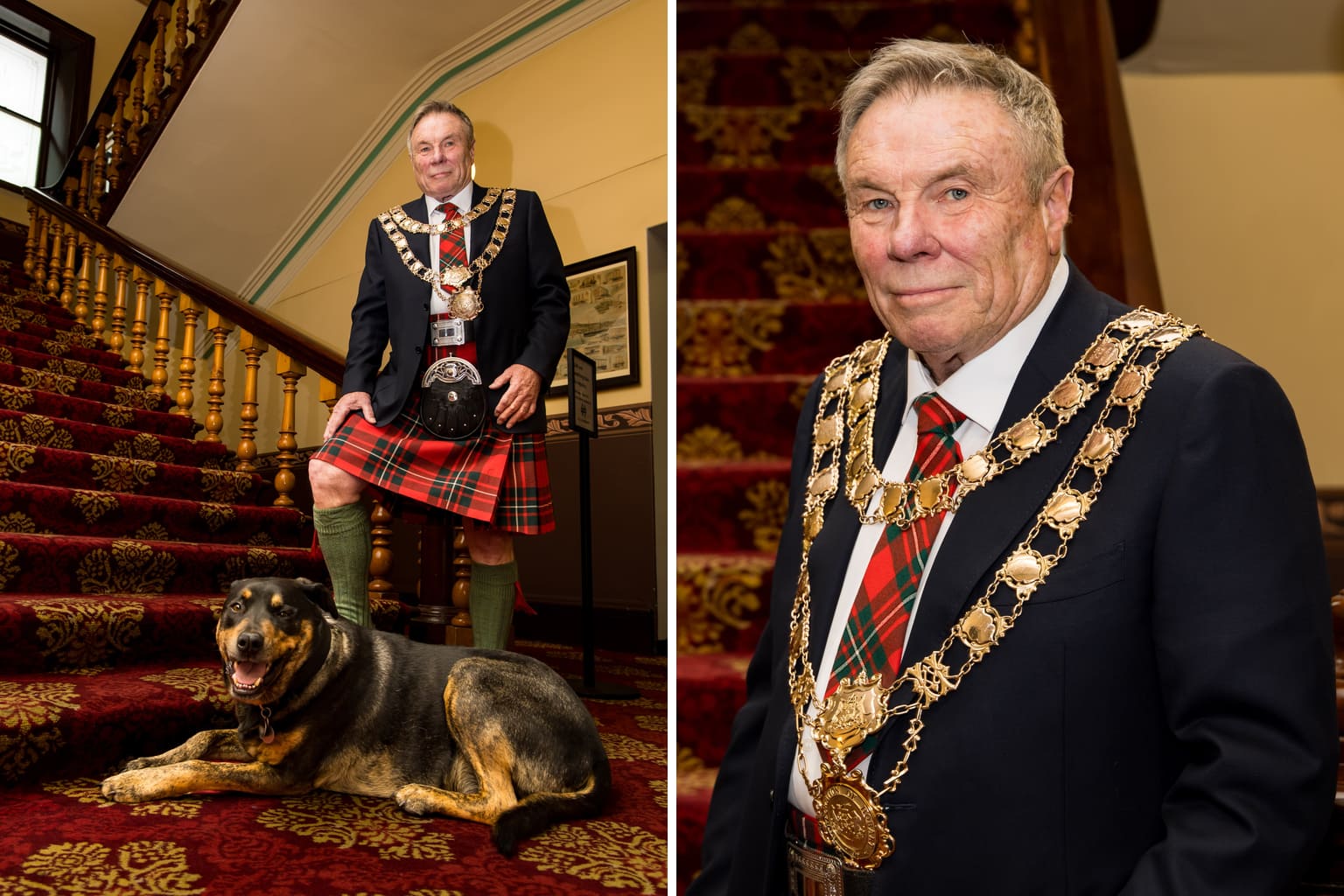
Former 60 Minutes Reporter Charles Wooley Sworn In As Hobart Lord Mayor
Former 60 Minutes reporter Charles Wooley was sworn in as Hobart’s lord mayor, telling the ceremony that residents...

Actress Ji-an and Baseball Player Eom Jung-wook Marry in Seoul
Actress Ji-an and former professional baseball player Eom Jung-wook held a wedding ceremony on the 7th at a...

Trump Admits Deportation Policy Was ‘Too Tough’ Despite Promotion of Stephen Miller – The Guardian
Midterm Setbacks Force Immigration Pivot President Donald Trump acknowledged that his administration's hardline deportation crackdown was "too tough,"...

Stubb and Støre Call Putin, Drawing Criticism From European Allies
Finland and Norway’s 90-Minute Call Breaks European Ranks A joint 90-minute phone call to Vladimir Putin by Finnish...