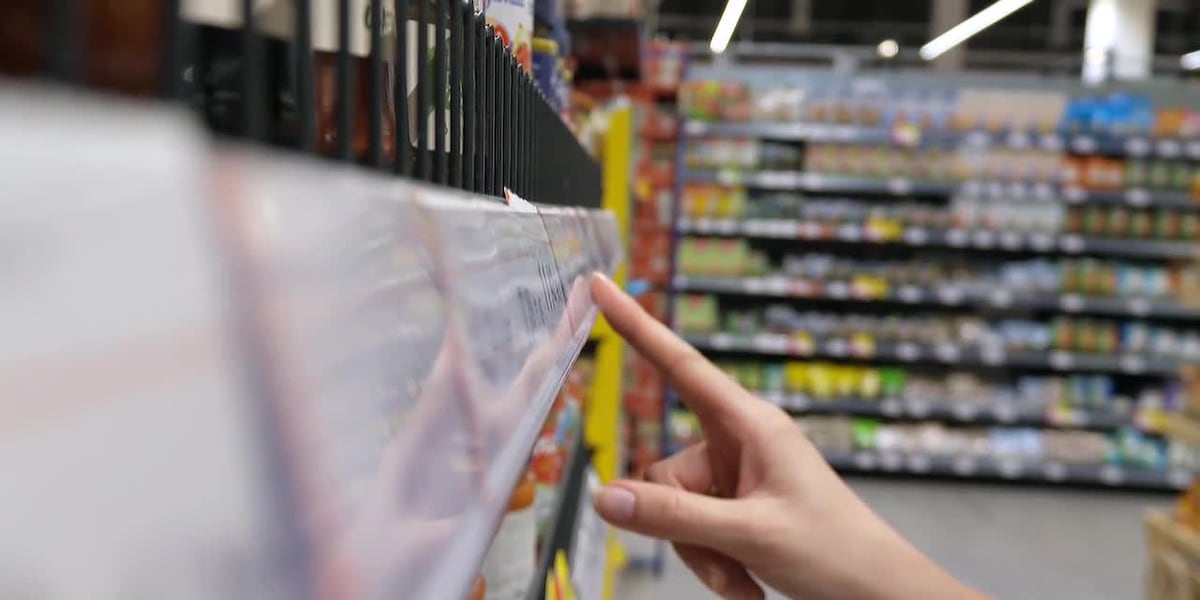
Sen. Catherine Cortez Masto (D-Nev.) joined legislation Tuesday to ban AI-driven “surveillance pricing” in grocery stores as Thanksgiving dinner costs hit record highs.
- Bill prohibits personalized pricing using personal data, facial recognition and biometric tools
- Would ban electronic shelf labels in large grocery stores and require facial recognition disclosure
- Three Square Food Bank skipped whole turkeys this year after prices doubled
- Seattle enacted similar ban on grocery AI pricing in October
The Stop Price Gouging in Grocery Stores Act was developed with Sens. Ben Ray Luján and Jeff Merkley. Ben Ray Luján (D-N.M.) and Jeff Merkley (D-Ore.), bars retailers from using collected personal information, mobile apps, facial recognition and other biometric technology to charge different people different prices for the same item, according to a release from Cortez Masto’s office. “Big corporations collect and purchase Americans’ personal information to create a detailed profile of consumers,” the release said. “This data, coupled with mobile apps, facial recognition, and other biometric technology, allows companies to charge different people different prices for the same item.”
“As Nevadans get ready to celebrate the holidays, big corporations are investing in new tools – including AI – that they can use to inflate prices on everything from turkey to cranberry sauce,” said Senator Cortez Masto. Beyond the pricing ban, the measure would require grocery stores to disclose any use of facial recognition technology, prohibit electronic shelf labels in large grocery stores, and establish enforcement mechanisms to hold corporations accountable, FOX5 Vegas reported.
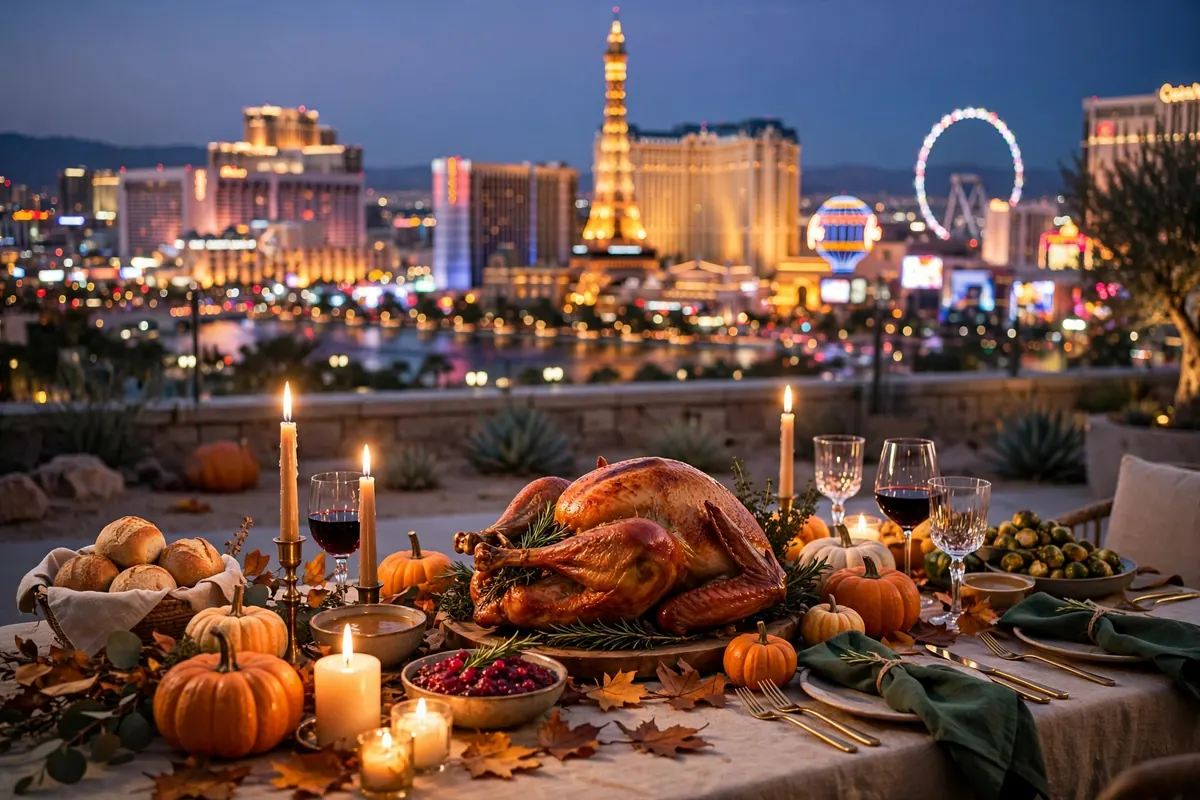
The proposal arrives as Thanksgiving dinner costs reach an all-time high. Three Square Food Bank told reporters this week it decided not to purchase whole turkeys for its community partners because prices had doubled compared with last year, according to FOX5 Vegas and focalnews.org.
Las Vegas shoppers described the impact at the register.
“I want to do the math, and I want to come up with a budget that I budgeted for my month for 200 bucks,” Paul Duhacek told FOX5 Vegas. “This is what I’m paying for groceries. And then I come out of here with $202 when it should be $200.”
Steven Pape objected to the data collection itself. “Think it’s just another level of control that we’re giving to the government that they should not have,” he told FOX5 Vegas.
Walmart was the only company to respond to requests for comment. CEO John Furner wrote in a recent letter that “We price the product, not the person.” He added that using someone’s income, shopping history or moment of need to charge more “would violate the EDLP (Every Day Low Prices) promise our business model is built on. We won’t do it.”
“Prices can change. We lower them when we can pass savings along. Furner defended digital shelf labels, which the bill would ban in large stores. “A shelf price should match what rings up at checkout,” he wrote. “Digital shelf labels help us do that more consistently by displaying the right price.
They also save associates time replacing paper tags.” “It may sound like an easy task – but as someone who has had to change those paper tags by hand over the years, I can tell you it’s a time-consuming and unrewarding task,” said Furner.”
Whether the federal measure advances in Congress is uncertain, but it puts the question of who sets the price — and on what information — squarely before Nevada shoppers, focalnews.org noted.
Keep reading
- Capital Press: California Farm Loses 88,900 Birds; Bird Flu Found in Oregon, Washington Backyard Flocks
- How Long Does It Take a Barge to Travel from the Pacific Ocean to Idaho?
- Inflation Since October 2024 Adds About $4,720 a Year to Household Costs (daybreakwire.com)
- Charitable Food Demand Stays Elevated as Costs Climb and Benefits Shrink (newsarchyuk.com)

Capital Press: California Farm Loses 88,900 Birds; Bird Flu Found in Oregon, Washington Backyard Flocks
A California commercial broiler breeder operation lost 88,900 birds as bird flu resurfaced in Oregon and Washington backyard...
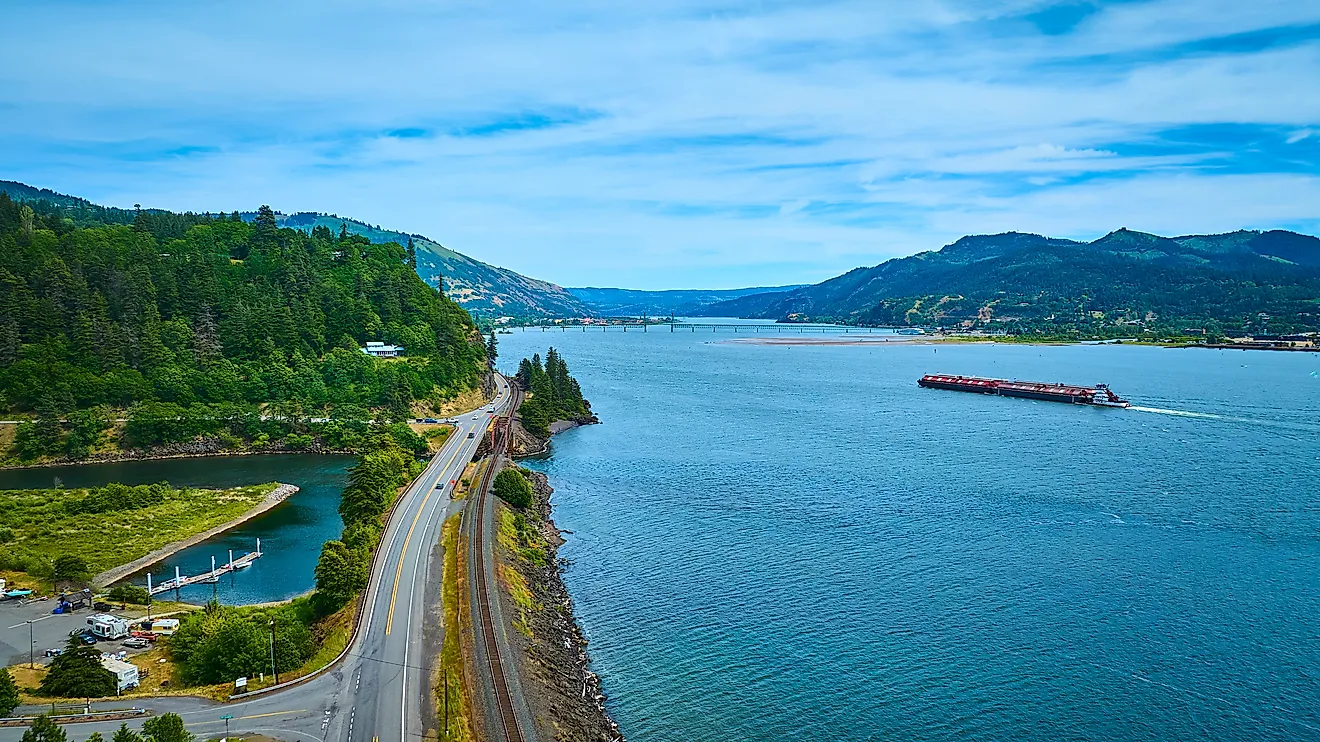
How Long Does It Take a Barge to Travel from the Pacific Ocean to Idaho?
A barge traveling between the Pacific Ocean and the Port of Lewiston, Idaho, takes roughly three days to...
Indianapolis Job Fair on August 26, 2027, Offers Free Admission
An Indianapolis job fair scheduled for August 26, 2027, will offer free admission to job seekers at the...
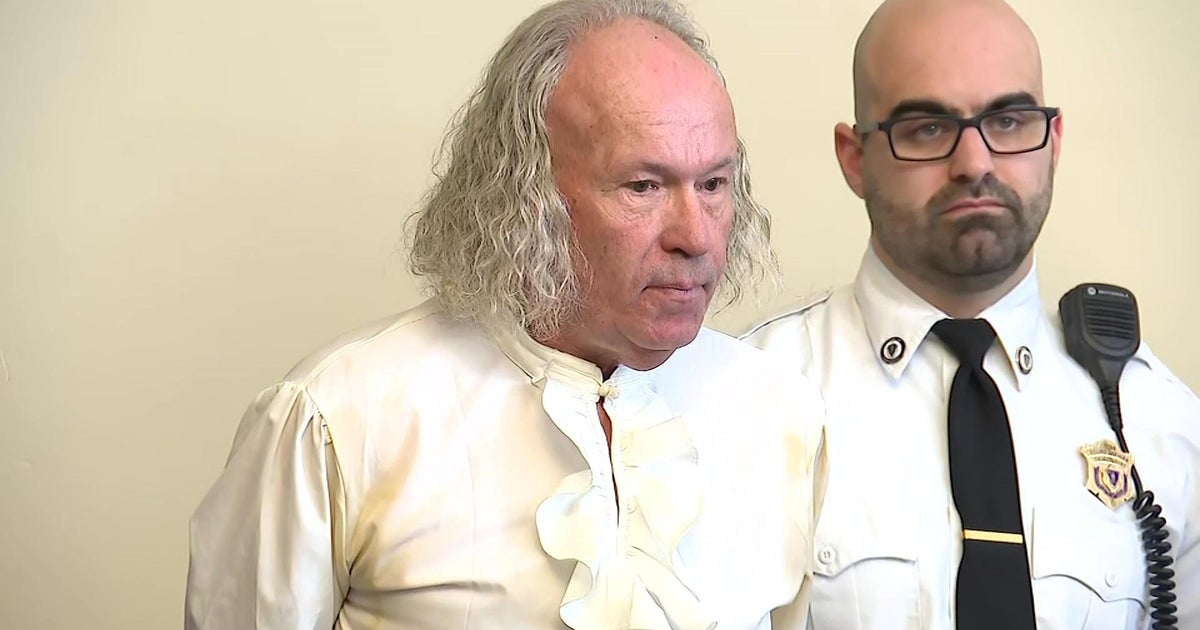
Benjamin Franklin Impersonator Arrested in Costume on Outstanding Warrants in Boston’s North End
Boston police arrested a Benjamin Franklin impersonator on two outstanding warrants Monday afternoon in the North End, taking...