
Columbus bus riders have waited on Mound Street without shelter, restrooms or real-time information since the downtown terminal closed between 2021 and 2024.
The Central Ohio Transit Authority hired a consultant to study the former Greyhound station site, The Columbus Dispatch reported on Nov. 19. The study opens a path to replace the curbside stops that have served Greyhound, FlixBus and Barons Bus — all owned by the same company — as the only intercity option for travel to Cleveland, Pittsburgh and Cincinnati.
COTA now owns the site at 111 E. Town St., where the Greyhound station operated until the city pursued a legal remedy for disorder in 2021. City Attorney Zach Klein said at the time that Greyhound had mismanaged the facility for years and provided little or no security. The station’s closure forced passengers to wait outdoors on Mound Street in rain, snow, heat and nighttime darkness.

“They were preyed upon at the old Greyhound terminal more than anyone,” wrote Cleve Ricksecker, former executive director of downtown’s special improvement districts, Riverfront Commons Corporation and the Short North Business Association, in the Dispatch opinion piece. “In my frequent experience on Greyhound, bus passengers are civil, peaceful, regular people who use the bus for a variety of reasons. They deserved better.”
Ricksecker pointed to municipal investments elsewhere. Philadelphia is identifying a site for a publicly funded Center City station. Chicago is taking public ownership of its downtown terminal and spending $30 million on improvements. Boston integrated intercity buses into Amtrak’s South Station. Atlanta recently completed a new municipal station. Miami built an intermodal center serving intercity buses, trains, commuter rail, trams and local buses.
“In all these examples, cities are elevating the experience of travel by bus with the reasonable expectation that improvements will draw more passengers,” Ricksecker wrote.
The former Greyhound site sits adjacent to COTA’s own network, offering a direct link between intercity and local service. Ricksecker argued that a new, well-managed terminal there would respect riders rather than diminish them. “It is an opportunity that would be a shame to waste,” he wrote.
Worth a look
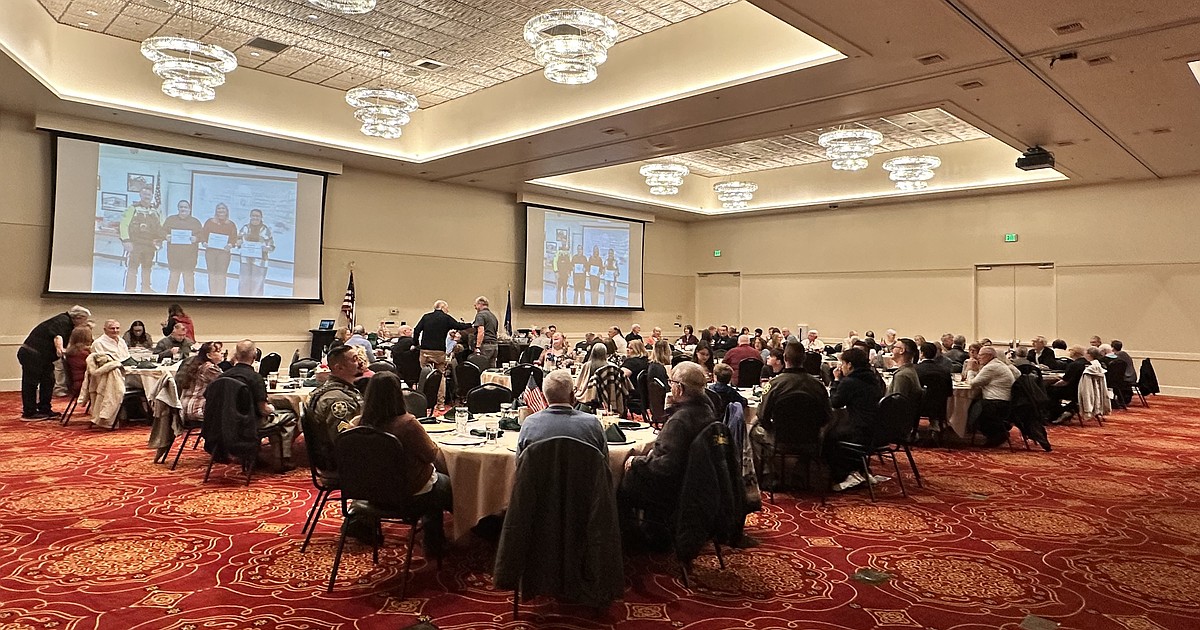
Carson City Sheriff’s Office Honors 105 Volunteers for 19,000 Hours of Service
Over 19,000 volunteer hours, worth more than $500,000 in salary savings, were recognized at the Carson City Sheriff's...
UVA Law Students Detail Pro Bono Impact on Career Paths
Three students described how pro bono projects redirected their career plans toward public defense, prisoners' rights and victims'...

North Dakota Man With Neo-Nazi Ties Arrested on Aggravated Kidnapping Charges in Murfreesboro Case
A North Dakota man described by police as having neo-Nazi ties was arrested in Missouri on Oct. 28...

Texts Undercut Columbia Prof Dessein Claim He Would Not Have Pursued Affair Had He Known She Was Student
"Hello baby, been thinking a lot about my favorite student today," Wouter Dessein allegedly texted Annie Kerman on...