
For the Maryland wine industry, climate change has long presented a complicated paradox. While rising average annual temperatures over the past two decades have helped the state’s wine sector diversify, expand, and reach nearly 1,000 acres of grape growing statewide, that same warming trend set the stage for a devastating agricultural crisis this year.
As reported by Amanda Loudin for the Chesapeake Bay Journal and further detailed across regional reporting, an extreme temperature swing last spring wiped out vast portions of the state’s grape harvest. Unseasonably warm weather in March 2026 sent temperatures soaring into the 80s—about 30 degrees higher than average—tricking grapevines across Maryland into ending their winter dormancy prematurely and beginning an early bud break. Then came April 21, bringing several hours of overnight temperatures plummeting into the mid-20s.
The resulting freeze caught advanced vines completely unprotected. Vineyard owners scrambled to save their crops, but the sudden drop proved too severe for delicate, prematurely developed buds.
How the Freeze Devastated Vineyards Across the State
The damage varied significantly by geography, hitting hilly Western Maryland and flat Southern Maryland particularly hard. However, Eastern Shore and Chesapeake Bay-adjacent wineries escaped the worst of the disaster, insulated by their proximity to the water.
Melissa Aellen, president of the Maryland Wineries Association, a third-generation vintner at Linganore Winecellars in Mount Airy, and founder of Simple Theory Wine Co. in Frederick, watched her family’s vineyards lose 90% of their grapes. “We have protective sprays and frost machines that can help with frost, but at 24 degrees, that’s a freeze,” Aellen explained. “The grapes were so far along from the warm temperatures in March that they couldn’t withstand the cold.”
Linganore Winecellars, a landmark establishment celebrating its 50th year of operation, suffered extreme damage to its vines, though the plants themselves survived. Across the state, the destruction ranged from killing weeks-old buds to entirely destroying established vines.
Joe Fiola, a University of Maryland extension specialist in viticulture and small fruits, noted that vineyard elevation played a critical role in survival rates. Higher elevations sitting at 800 feet or more fared better simply because their vines were behind in bud break compared to lower-lying regions. Fiola also pointed out that neighboring Virginia vineyards sustained varying degrees of damage, with some areas facing even more severe losses due to advanced vine development.
The Financial Toll and Search for Replacements
The economic stakes for local growers are steep. The Maryland Wineries Association estimates that the costs of the April freeze will easily top $2 million. While the U.S. Department of Agriculture has approved low-interest emergency loans and credit to help offset the burden, vintners face years of recovery.

Because vines lost entirely will need to be replanted, vintners face a long wait. “We will be replanting most of the vines we lost this year, but it will be three years before they bear fruit, and probably 2029 or 2031 before we can produce wine from the new plants,” Aellen noted. Furthermore, surviving vineyards that failed to produce fruit still require ongoing labor and care expenses, forcing owners to purchase outside grapes they never planned on acquiring.
Under Maryland state law, local wineries are permitted to source up to 49% of their grapes from out-of-state vineyards while still labeling the resulting bottles as “Maryland made.” To bridge the gap, Linganore and other regional producers are currently relying on industry connections in states like Texas and New York.
Not every winery has that flexibility, however. Rachel Lipman, a fifth-generation vintner, vice president of the Maryland Wineries Association, and maker of wine and mead at Loew Vineyards in Mount Airy, faces a unique restriction. As the state’s first kosher winery, Loew cannot simply source traditional grapes from outside suppliers unless those grapes are certified kosher.
“We have to work with our own raw materials,” Lipman said, “unless we could find grapes in another state that are kosher.” Fortunately, Loew produces mead made from honey rather than grapes, providing a crucial buffer that will help fill white wine gaps as existing reserves run low.
While most Maryland wineries have enough wine from past reserves to meet immediate demand this year, consumers will notice the impact of out-of-state sourcing in the vintages released over the next few years. As growers reset their fields and wait for new plants to mature, producers emphasize that despite wine’s reputation as a luxury item, the people behind it are farmers navigating an unpredictable climate reality.
Keep reading
Governor Shapiro Signs Law Expanding Child Abuse Reporting Protections
Pennsylvania has enacted sweeping new legislation aimed at closing the digital and social gaps that leave students vulnerable...
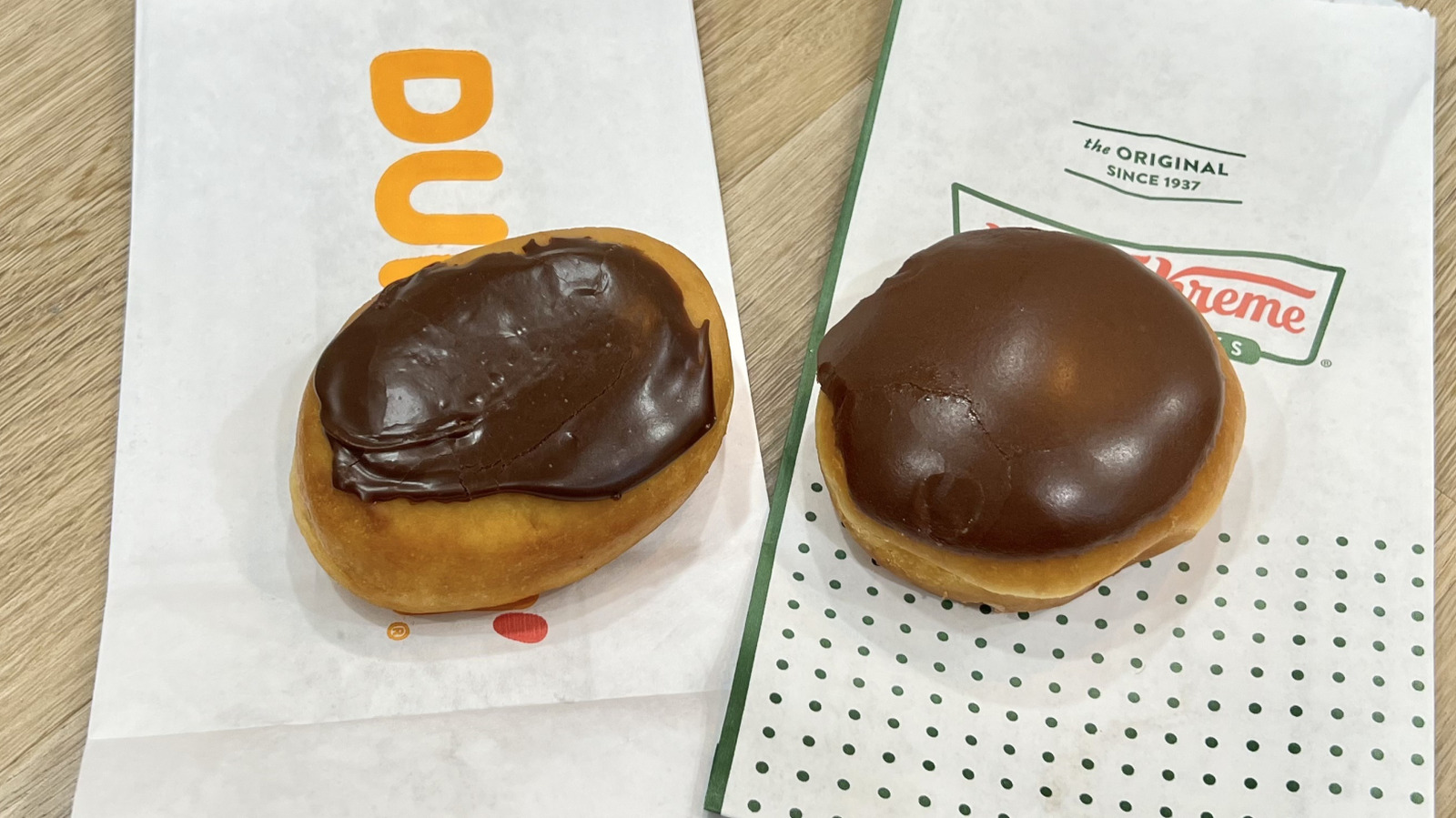
Dunkin’ vs. Krispy Kreme: Which Boston Cream Donut Is Better?
Dunkin’ Wins the Boston Cream Face-Off Against Krispy Kreme In a recent comparative review for Tasting Table, food...
Rams Beat Winless Chargers 24-9 as Coaches React to Rivalry Win
Rams Outlast Chargers 24-9 for First Back-to-Back Wins of the Season “Oh man, I’m going to give him...

2021 Nissan Rogue Sport SV with 61,805 Miles for Sale in Omaha
2021 Nissan Rogue Sport SV Available in Omaha A 2021 Nissan Rogue Sport SV, finished in a sophisticated...