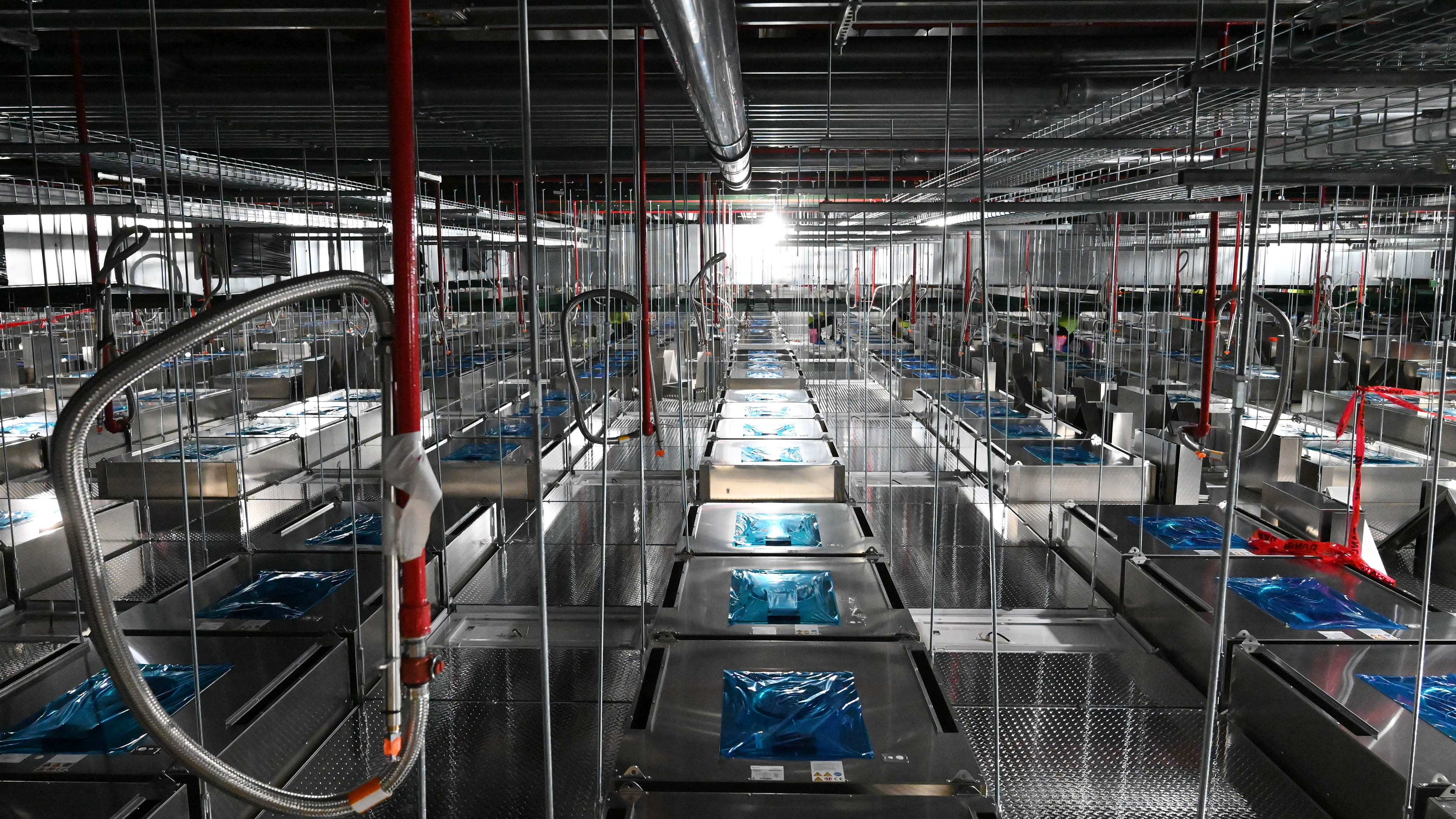
The Albany NanoTech Model for Semiconductor Power
The race for semiconductor supremacy is no longer just about who has the most capital, but about who can build the most effective “clusters” of innovation. A new report from the Center for Strategic and International Studies (CSIS) identifies the Albany NanoTech Complex as a primary example of how a nation can organize research, industry, and workforce development into a durable strategic capability.
For over 25 years, the facility in New York has moved beyond being a mere research site to becoming a massive public-private platform. It serves as a bridge between theoretical science and the hard realities of manufacturing. Today, the complex is tackling the bleeding edge of physics, supporting research in sub-2-nanometer semiconductor technologies, advanced packaging, photonics, and quantum systems. This isn’t just academic exercise; it is the foundational work required to keep the United States competitive in a global market where the smallest technological margins dictate national power.
The strength of the Albany model lies in its ability to pull disparate players into a single, functional ecosystem. The CSIS report highlights how the complex connects U.S. capabilities with a global network of partners, including industry giants like IBM, as well as international entities such as Rapidus, imec, and Tokyo Electron.
Turning Research Into Manufacturing Capability
The “so what” for the American economy is found in the transition from a lab bench to a factory floor. Many technology hubs fail because they produce brilliant ideas that never reach commercial scale. Albany avoids this pitfall through a structured integration of shared infrastructure and workforce pipelines. By providing the expensive, specialized equipment that individual companies might not be able to justify on their own, the complex allows for rapid prototyping and testing.
This approach addresses a critical bottleneck in the domestic supply chain: the translation of research into manufacturing. Without these intermediary steps, a country might possess the intellectual property for a new chip but lack the industrial muscle to actually produce it at scale. The Albany complex functions as that missing link, ensuring that advancements in sub-2-nanometer tech don’t stay trapped in a university setting.
However, the success of such a model is not guaranteed by presence alone. The CSIS analysis suggests that for the U.S. to replicate this success elsewhere, several factors must align perfectly:

- Sustained Investment: Technology clusters cannot survive on one-off grants; they require long-term, predictable funding to maintain cutting-edge infrastructure.
- Effective Institutions: The organizations managing these hubs must be capable of navigating the complex interests of both private corporations and public interests.
- Industry Partnerships: Real-world utility depends on deep, ongoing collaboration with the companies that will eventually use the technology.
- Workforce Pipelines: A cluster is only as strong as the engineers and technicians available to run it.
There is a counter-argument to be made regarding the concentration of such resources. Some economic critics argue that heavily subsidizing specific regional clusters can lead to “winner-take-all” dynamics, where certain geographies receive disproportionate federal support while other regions are left behind. There is also the risk of institutional inertia, where a single, massive complex becomes so entrenched that it struggles to pivot when the next technological paradigm shifts away from traditional silicon-based semiconductors.
Yet, the strategic stakes appear to outweigh these localized concerns. As semiconductor technology becomes the bedrock of everything from artificial intelligence to national defense systems, the ability to maintain a concentrated, highly efficient center of excellence like Albany NanoTech is viewed by analysts as a necessity for national security.
The complexity of modern chips means that the era of isolated innovation is over. The future belongs to the ecosystems that can most effectively weave together the university, the lab, and the factory.

Erika Barnes Named Deputy Athletics Director for Utah Athletics
Erika Barnes joins Utah Athletics as Deputy Athletics Director Erika Barnes has been named the Deputy Athletics Director...

Dia’s Market & Deli to close Austin location after 10 years
Dia's Market & Deli, a neighborhood staple in Austin's Crestview area, is scheduled to close its doors at...

Nashville Voters Show Strong Turnout Amid Polling Site Monitoring
Voters in Nashville are showing up at the polls in significant numbers, according to election officials reporting on...

South Carolina Shatters Gubernatorial Election Voter Turnout Records
South Carolina voters shatter gubernatorial turnout records South Carolina has broken two major participation records for a gubernatorial...