
South Dakota teachers have a new framework to weigh whether artificial intelligence belongs in a lesson plan, and it comes from a fellowship that included educators from neighboring Minnesota.
The Computer Science Teachers Association released the TRACE Framework this week, a rubric built by its AI for Classroom Use Fellows to help instructors decide if an AI tool actually serves the curriculum or simply automates it.
TRACE asks teachers to test a lesson against five checkpoints: whether the plan sets clear expectations for AI use, ties that use to higher-order thinking and content standards, centers student creativity and reflection, teaches learners to verify and audit AI outputs, and deploys the technology equitably.
CSTA also published an online tool that ingests a lesson plan and returns feedback on how well it aligns with the framework and the 2026 Computer Science Teaching Standards.
The stakes are practical. Students encounter conflicting opinions about AI at home and online but rarely get a structured space to interrogate the technology’s ethical edges. Teachers can fill that gap by having students question AI-generated answers, recognize hallucinations, and decide when the tool is appropriate — habits that transfer directly to college labs and clinical settings.
“By making ethical AI use part of classroom learning, South Dakota teachers can help students become thoughtful users of AI — not simply consumers of whatever technology happens to be available,” Benson said.
Benson recommends starting small: pick an existing lesson, run it through the TRACE tool, and adjust one or two components rather than rewriting the whole course. The framework’s example lessons show how to weave in a single checkpoint — such as requiring students to cite and verify every AI-suggested source — without overhauling a semester plan.
Researchers there use AI to accelerate pattern recognition in genomic data, but every model prediction is checked against wet-lab results before it informs a hypothesis. That same verify-first mindset is what TRACE tries to instill at the high-school level.
TRACE offers a middle path: a structured way to say yes to the tool while insisting on the pedagogy that makes the tool worth using.
Worth a look
- Cardinals Add Carson Beck to Injury Report With Back Issue Before Chiefs Game
- Her Hoop Stats: Tulsa Upset Reveals Oklahoma State Offensive Questions
- Peacock Releases ‘The Day of the Jackal’ Season 2 Teaser, Sets March 2027 Premiere (archyde.com)
- Trump Administration Asks Supreme Court to Block Venezuelan TPS Restoration, Citing 1,800 Detainee Releases (world-today-news.com)

Cardinals Add Carson Beck to Injury Report With Back Issue Before Chiefs Game
The Arizona Cardinals added quarterback Carson Beck to Thursday’s injury report as a limited participant with a back...
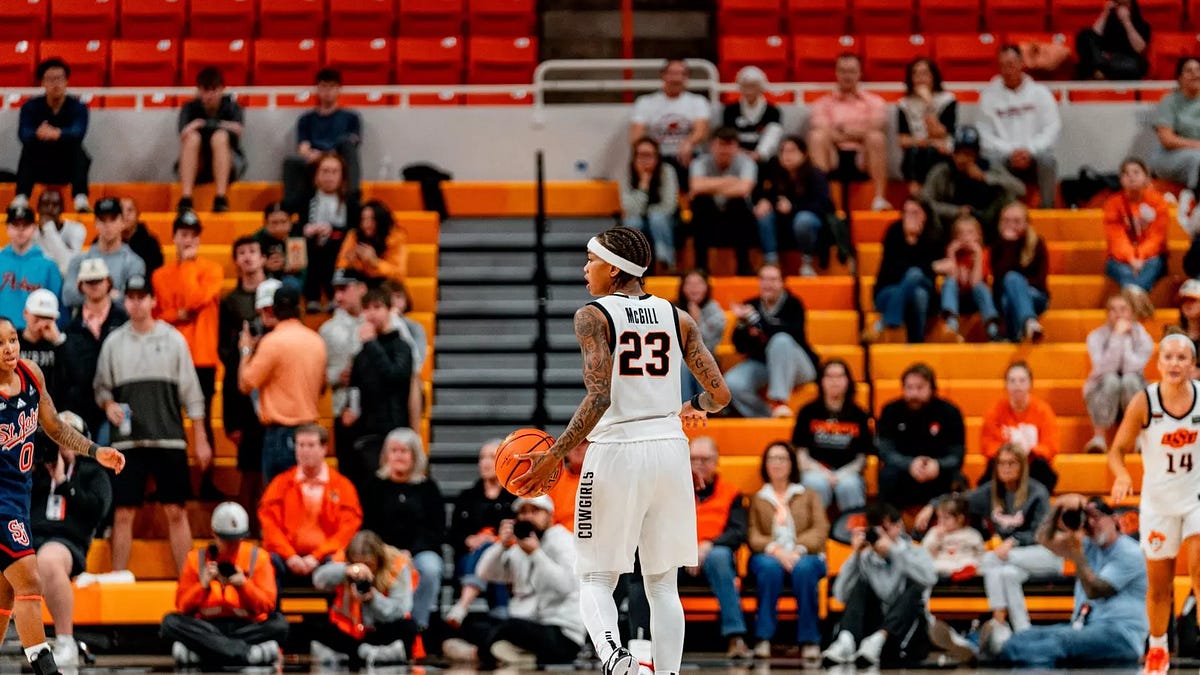
Her Hoop Stats: Tulsa Upset Reveals Oklahoma State Offensive Questions
Oklahoma State lost to Tulsa 62–56 on Sunday, the Big 12’s most jarring result so far this season....

Ahlquist: Whitehouse Climate Record Contradicted by Fossil Fuel Bill Support
Sheldon Whitehouse built a national reputation as the Senate's most relentless climate voice, but a Rhode Island journalist's...

5 Seattle Winter Concerts by Homegrown Artists: Damien Jurado, Dean Johnson, Casi, Noah Gundersen & Ayron Jones
Five Seattle concerts featuring Washington-raised musicians run from late November through the day after Christmas, with shows at...