The finding, released Wednesday, closes the criminal investigation into the June death of the 41-year-old New York man at Bridgeport Correctional Center.
But Prescott’s report, obtained by Connecticut Post, reaches a second conclusion at the same time: the Department of Correction leaned too much on a checklist and overlooked the human signs that Youssef was in crisis.
Youssef was arrested June 16 after police found him inside an Oxford home; he tried to leave and damaged the homeowner’s fence, a state police report said. He was held on a $15,000 bond on charges of first-degree criminal mischief, second-degree burglary and second-degree criminal trespass. The next evening, at 7:35 p.m., his cellmate found him on the floor with a ligature around his neck. He died later at a hospital.
Prescott faulted DOC for “overreliance on the suicide risk assessment tool and an underappreciation of other factors.” Youssef had disclosed a mental-health history that included prior treatment at a mental health hospital and told staff he was experiencing auditory and visual hallucinations. He also told them this was his first time being incarcerated — a period the report notes is a known high-risk window for suicide.
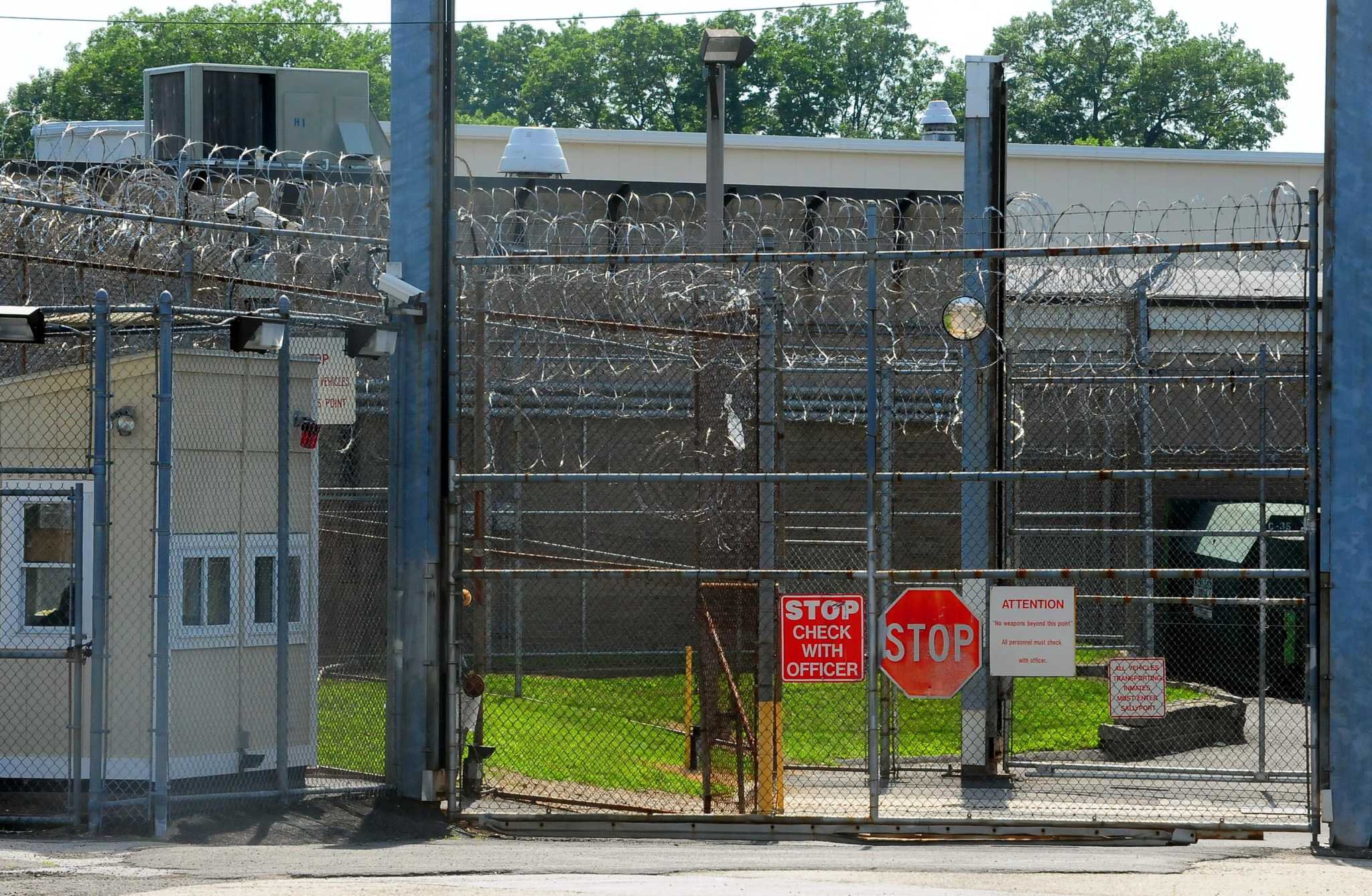
But the inspector general added: “Youssef, however, needed more. He needed to be on a full-blown suicide watch.”
Two cellmates — Maurice Foust and Manuel Arbelo — separately told investigators they recognized Youssef was not adjusting and could be a danger to himself. A correctional officer said he would check but never returned, according to the report.
“Arbelo described him hitting the walls with his fist,” Prescott wrote. When Arbelo returned to his cell, he entered it and saw Youssef lying down on the floor.
The report acknowledges the central conundrum: “There is not an easy answer to this question.”
A DOC spokesperson did not immediately respond to an email seeking comment on the report Wednesday.
SEPTA Adds Express Trains for Steelers Game as Marathon Clogs Roads
Traffic congestion from the Philadelphia Marathon will complicate travel to Lincoln Financial Field this Sunday, prompting transit officials...

ICE Lodges Detainer for Guatemalan Charged With Kidnapping, Raping Oklahoma Teen; Suspect Released Under Obama Administration
U.S. Immigration and Customs Enforcement lodged a detainer asking Oklahoma officials not to release a Guatemalan man charged...

Lynn Businesswoman Cynthia Carco Dies; Services Nov. 24
Cynthia Yvonne Carco died Thursday; her Funeral Mass is scheduled for Tuesday, November 24, 2026, at 10:00 A.M....

Columbus Crew Face Messi, Inter Miami in Playoff Opener
“To be honest, you never want to play against one of the best in the world who can...