
Colorado’s Watershed Funding Surge Targets Wildfire and Infrastructure Resilience
As the state moves deeper into November, Colorado is rolling out a significant wave of financial support aimed at shoring up the state’s water systems against the dual threats of catastrophic wildfire and aging infrastructure. The Colorado Water Conservation Board (CWCB) has officially opened the latest cycle of the Colorado Watershed Restoration Program, specifically prioritizing the creation of Wildfire Ready Watersheds action plans. These plans are designed to help local governments and organizations mitigate the immediate, often devastating, aftermath of wildfires, including debris flows and flooding that can cripple water supplies and transportation networks.
The CWCB is proud to welcome new Board Member Alan Ward to represent the Arkansas Basin–as well as the reconfirmation of Board Members Lorelei Cloud and Nathan Coombs for their second terms. Read more: https://t.co/QPpf5kCDFe pic.twitter.com/7QvF6yV8UU
This initiative arrives at a moment of heightened urgency. Since the CWCB began accepting applications on a rolling basis earlier this year, the focus has shifted toward proactive hazard mitigation. The stakes are immense: post-wildfire impacts often strike with little warning, regardless of the season, creating a volatile environment for critical state infrastructure. For communities across Colorado, these grants represent more than just capital; they are a vital buffer against the unpredictability of a changing climate.
Expanding Access to Federal and State Resources
Beyond the CWCB’s specific wildfire mandates, a broader network of support is emerging for organizations tasked with the heavy lifting of aquatic restoration. The Rio Grande Aquatic Navigator Network is now positioning itself as a central hub for technical assistance, helping partners navigate an increasingly complex landscape of funding and policy. By centralizing access to grant databases and offering direct project guidance, the Network aims to reduce the administrative friction that often prevents vital projects from breaking ground.
For those looking toward larger-scale construction, the CWCB’s Water Project Loan Program continues to offer low-interest financing for agricultural and municipal water projects. While these loans do not cover wastewater or drinking water treatment, they provide a crucial mechanism for financing the design and construction of storage and delivery facilities. Projects seeking these funds must demonstrate alignment with Colorado’s Water Plan, ensuring that every dollar spent contributes to the state’s long-term measurable objectives.
Addressing the Wastewater Gap and Emergency Needs
The challenge of water security extends well beneath the surface of our public infrastructure. The EPA is currently addressing a critical “wastewater access gap,” offering free technical assistance to communities dealing with failing septic systems or, in some cases, a total lack of sanitation infrastructure. This is a direct intervention for homeowners and small utilities that struggle with sewage backups or the prohibitive costs of rebuilding non-functioning systems. This assistance program is open to states, Tribes, and territories, providing not just technical expertise but also support in developing applications for further federal funding.
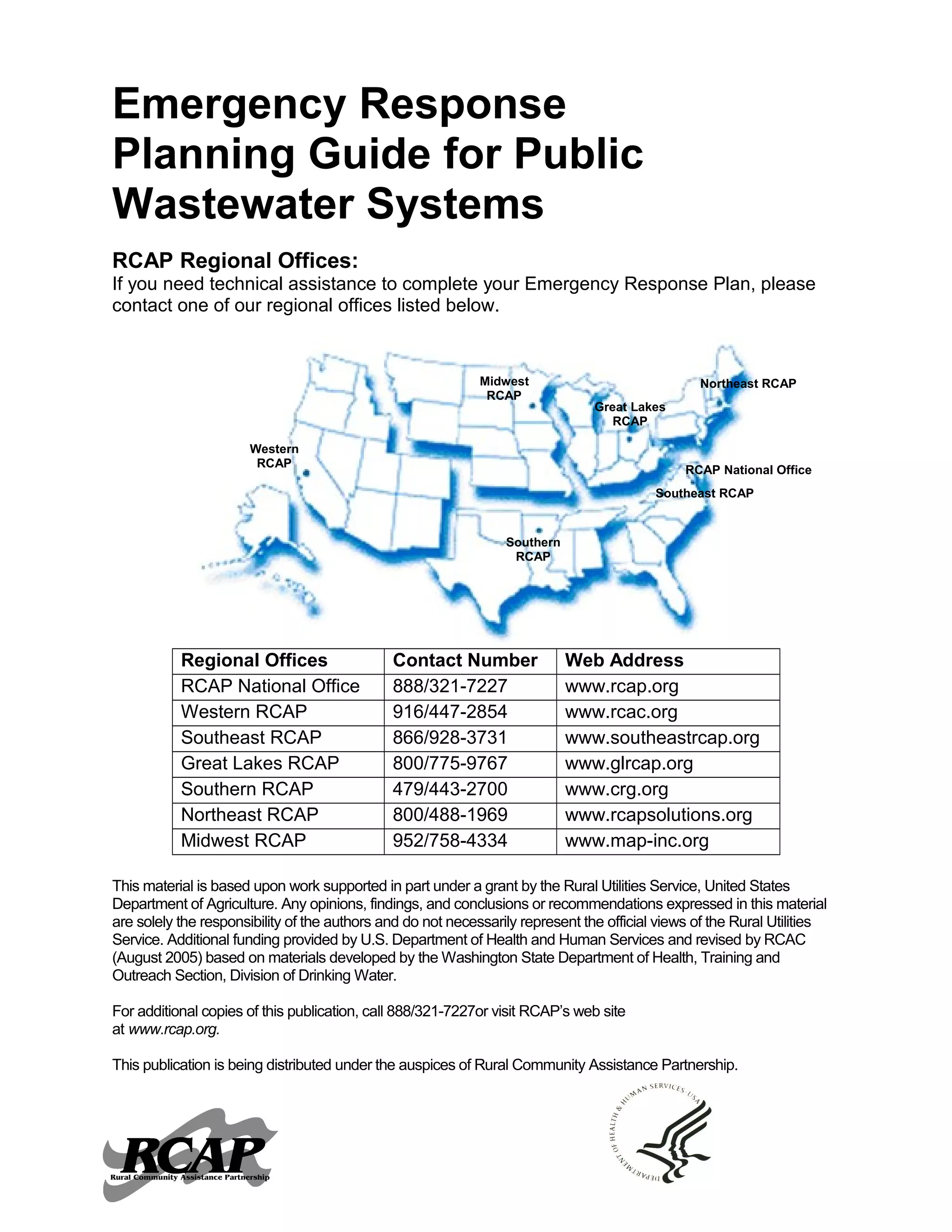
For rural areas facing immediate threats to their water supply, the USDA’s Emergency Community Water Assistance Grants remain available on a rolling basis. These grants are specifically tailored for communities that have seen a decline in the quality or quantity of their drinking water within the last two years—or where such a decline is considered imminent. This is a lifeline for small systems that often lack the emergency capital required to respond to rapid environmental shifts.
Local Priorities and Environmental Justice
The funding landscape also emphasizes localized, community-driven solutions. The City of Ft. Collins is currently offering “Dream it Up” planning grants for nature play areas and pollinator restorations, inviting everyone from HOAs to schools to participate in urban greening. Simultaneously, the Colorado Environmental Justice Grants Program is utilizing funding authorized by the Environmental Justice Act to support communities that have historically borne the brunt of pollution and climate change impacts. This program is specifically designed for grassroots organizations, local governments, and Tribes to implement health-improving projects.

For those operating on the Western Slope, the Colorado River District’s Community Funding Partnership remains a cornerstone of regional resilience. Established in 2021 following the passage of ballot question 7A, the program supports multi-purpose projects ranging from agricultural productivity to watershed health. By providing a catalyst for matching state and federal funds, the District ensures that local priorities remain the driving force behind Western Colorado’s water management strategy.
As the December 1 deadline approaches for the next cycle of the Colorado Water Plan Grant Program, the message to stakeholders is clear: the resources are available, but they require rigorous planning and alignment with state goals. Whether through the massive $7.5 billion WIFIA loan program offered by the EPA or the smaller, targeted protection grants from the state’s Source Water Assessment and Protection program, the objective remains the same—protecting the water supply that sustains Colorado’s economy and its people.
Keep reading

Maryland football faces Purdue after 20-17 loss to Illinois
Maryland football travels to Purdue this Saturday for a 12:30 p.m. kickoff, marking a critical juncture for both...
Live After Five Concerts Set to Return Despite Proposed Budget Cuts
Live After Five, the long-running concert series that defines downtown Baton Rouge’s spring and fall calendar, is slated...

2027 Kia Sportage Hybrid EX Arrives at Midwest Kia in Wichita
New Kia Sportage Hybrid Availability in Wichita Midwest Kia has confirmed the arrival of the 2027 Kia Sportage...

Global List of States, Provinces, and Countries
Two people injured in a shooting at a post office are expected to make a full recovery, according...