The U.S. Department of Justice moved to dismiss its own lawsuit against California on Friday, ending a high-profile legal challenge that sought to force the state to set aside approximately 20,000 ballots alleged to be cast by noncitizens. The filing, submitted in Los Angeles, effectively terminates the administration’s attempt to sequester these votes until immigration statuses could be verified, a process that state officials and a federal judge had previously warned would be logistically impossible and legally fraught.
The Legal Impasse of Commingled Ballots
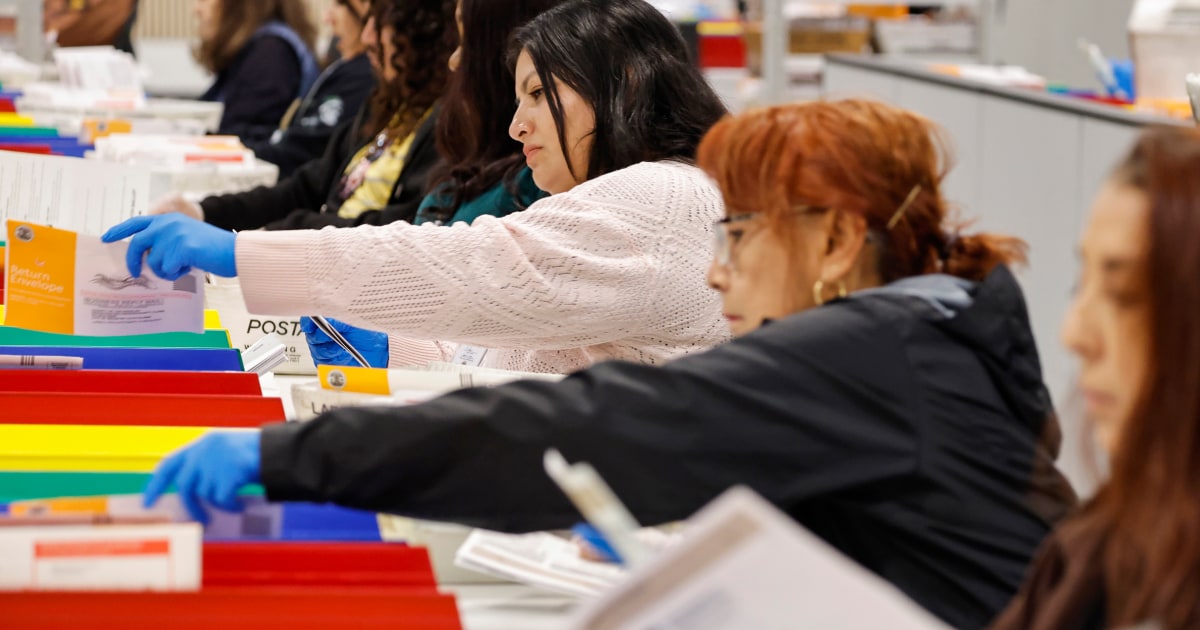
The core issue driving the dismissal, as reported by U.S. News & World Report, is the mechanical reality of the election process. By the time the Department of Justice brought the case in mid-October, California had already processed hundreds of thousands of ballots. Once a ballot is processed and separated from its envelope, it is anonymized, making it impossible to identify or isolate specific votes. The government’s motion to dismiss explicitly acknowledged this, stating that the state had already “irreparably commingled the challenged ballots with lawful ones,” rendering the requested relief—a court-ordered sequestration—no longer viable.
Secretary Weber responded to the US DOJ’s letter alleging that an unspecified number of individuals the federal government “believes are likely noncitizens” were mailed a ballot for the November 2026 General Election. Read the full letter: https://t.co/dcskIACHkJ pic.twitter.com/8DhnLg1iPj
U.S. District Judge David O. Carter, an appointee of former President Bill Clinton, had previously denied the government’s request to pause the counting. In his ruling, Carter warned that attempting to separate the ballots at such a late stage would “wreak havoc” on the midterm elections and risk disenfranchising eligible citizens. The court had scheduled a hearing for the following week where a special master was to evaluate the accuracy of the list of suspected noncitizens, but the government’s motion to dismiss now preempts that proceeding.
Election Integrity and Federal Oversight
This lawsuit stood as a centerpiece of the administration’s broader strategy to exert federal oversight over state-run election systems. While the Department of Justice maintained that its goal was to “pursue every available civil and criminal remedy to ensure that only eligible American citizens vote in American elections,” the initiative faced significant pushback. Bill Essayli, the top federal prosecutor in Los Angeles, had argued in court that the lawsuit was a necessary measure to “stop the illegal voting” rather than chasing it after the fact.
The friction between federal and state officials has been intense. California election authorities have consistently characterized the government’s list of suspected noncitizens as outdated and inclusive of legitimate voters. Meanwhile, the Department of Justice continues to pursue other legal avenues. As noted by the Department of Justice, the agency remains involved in a separate lawsuit filed in May that alleges California fails to adequately remove ineligible voters from its registration rolls. Additionally, federal prosecutors have arrested over 30 noncitizens in recent weeks on charges related to illegal voter registration and, in some instances, voting in past elections.
The Political Stakes and Unresolved Questions
The timing of the dismissal—arriving just days after significant losses for Republicans in the midterm elections—has drawn attention to the shifting political landscape. This case is not the first time a federal election-related lawsuit has faltered recently; a similar effort in Alaska to block the certification of a Democratic Senate candidate was swiftly dismissed by a federal judge. The administration is currently appealing that decision, though it has yet to file a full brief with the 9th Circuit Court of Appeals.
Despite the dismissal of the California suit, several questions remain. While subpoenas have been issued to election clerks across California to testify before grand juries, the identities of those targeted by these criminal investigations remain undisclosed. The Department of Justice in Washington, D.C., did not respond to requests for comment regarding the specific next steps for these investigations or the broader strategy regarding the remaining “likely noncitizens” the agency claims are on the voter rolls.
The practical result for the 2026 midterms is that the contested ballots will remain part of the final tally. With roughly 9 million ballots processed and nearly 5 million still outstanding as of Friday, the focus has shifted from pre-emptive sequestration to the standard canvassing and certification process. The legal battle highlights the persistent tension between federal administrative oversight and the decentralized nature of state election administration, a conflict that shows no signs of dissipating as the post-election period continues.
Keep reading

Maryland football faces Purdue after 20-17 loss to Illinois
Maryland football travels to Purdue this Saturday for a 12:30 p.m. kickoff, marking a critical juncture for both...
Live After Five Concerts Set to Return Despite Proposed Budget Cuts
Live After Five, the long-running concert series that defines downtown Baton Rouge’s spring and fall calendar, is slated...

2027 Kia Sportage Hybrid EX Arrives at Midwest Kia in Wichita
New Kia Sportage Hybrid Availability in Wichita Midwest Kia has confirmed the arrival of the 2027 Kia Sportage...
Global List of States, Provinces, and Countries
Two people injured in a shooting at a post office are expected to make a full recovery, according...