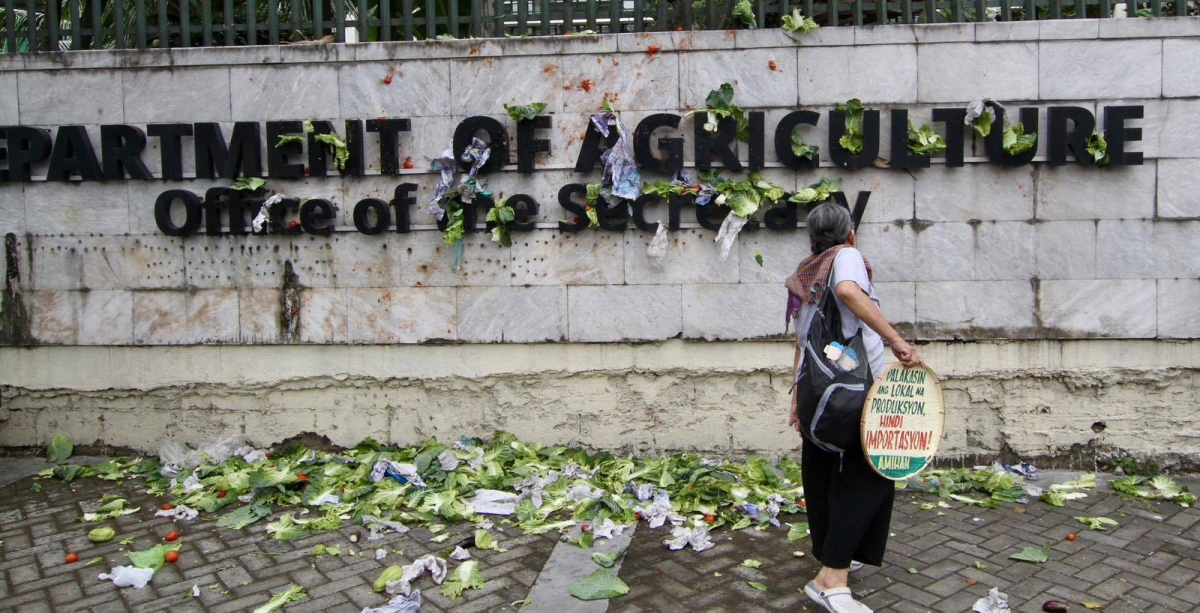
The Department of Agriculture opened three modular cold storage facilities in Ilocos Sur on Friday and launched fuel assistance registration for agricultural truckers, moves officials said would cut postharvest losses and blunt rising transport costs.
The facilities in Santo Domingo, Barangay Taleb in Bantay, and Barangay San Antonio in Narvacan give farmers added capacity to hold perishable produce while they consolidate harvests, find buyers and arrange transport, the DA said. “When farmers have access to proper storage, they have more flexibility in bringing their produce to market, reducing spoilage and protecting their income,” Agriculture Secretary Francisco Tiu Laurel Jr. said. “At the same time, we must keep the agricultural logistics system moving despite higher fuel and other operating costs so food continues to reach consumers at reasonable prices.”
Registration for fuel subsidies ran through a caravan at the Farmers Productivity Center in Barangay Parada, Santo Domingo, where the agency also distributed fuel subsidy intervention monitoring cards to farmers, the DA Press Office reported.
The Agricultural and Fisheries Logistics Office, the regional Agribusiness and Marketing Assistance Division and the local government facilitated sign-ups, while the Bureau of Agricultural and Fisheries Engineering and the regional fuel assistance focal person supervised the card distribution.
“These interventions are part of the Department’s proactive measures to cushion the agriculture sector from the adverse effects of El Niño while providing long-term support to our farmers and agricultural stakeholders,” Undersecretary Arrey Perez said. The facilities and fuel aid fall under the Government Assistance and Interventions for National Agriculture program, which supports farm infrastructure, logistics and market access, The Manila Times reported.
The Department of Agriculture inaugurated three modular cold storage facilities on November 20 in Santo Domingo, Barangay Taleb in Bantay, and Barangay San Antonio in Narvacan, the DA Press Office reported.
The installations provide additional capacity for farmers and stakeholders to preserve perishable produce before transporting and selling harvests, according to the agency’s statement. Officials said the expanded access eases pressure on farmers to sell immediately after harvest, when limited storage and perishable goods can weaken their negotiating position.
Agriculture Secretary Francisco Tiu Laurel Jr. said building postharvest infrastructure is critical to stabilizing food supply and prices. “When farmers have access to proper storage, they have more flexibility in bringing their produce to market, reducing spoilage and protecting their income,” he said, adding that the logistics system must keep moving despite higher fuel and operating costs so food reaches consumers at reasonable prices.
The agency distributed fuel subsidy intervention monitoring cards to farmers during the event, recognizing the role of transport operators in moving commodities from farms to trading posts and markets. Higher pump prices and operating expenses can increase hauling costs, putting pressure on transporters and potentially adding to food distribution costs.
Keep reading

Neandertal DNA Variant Shrinks Occipital Lobe, Lowers Schizophrenia Risk, Study Says
A Neandertal-derived genetic variant shrinks the occipital lobe in modern humans and is linked to a lower risk...
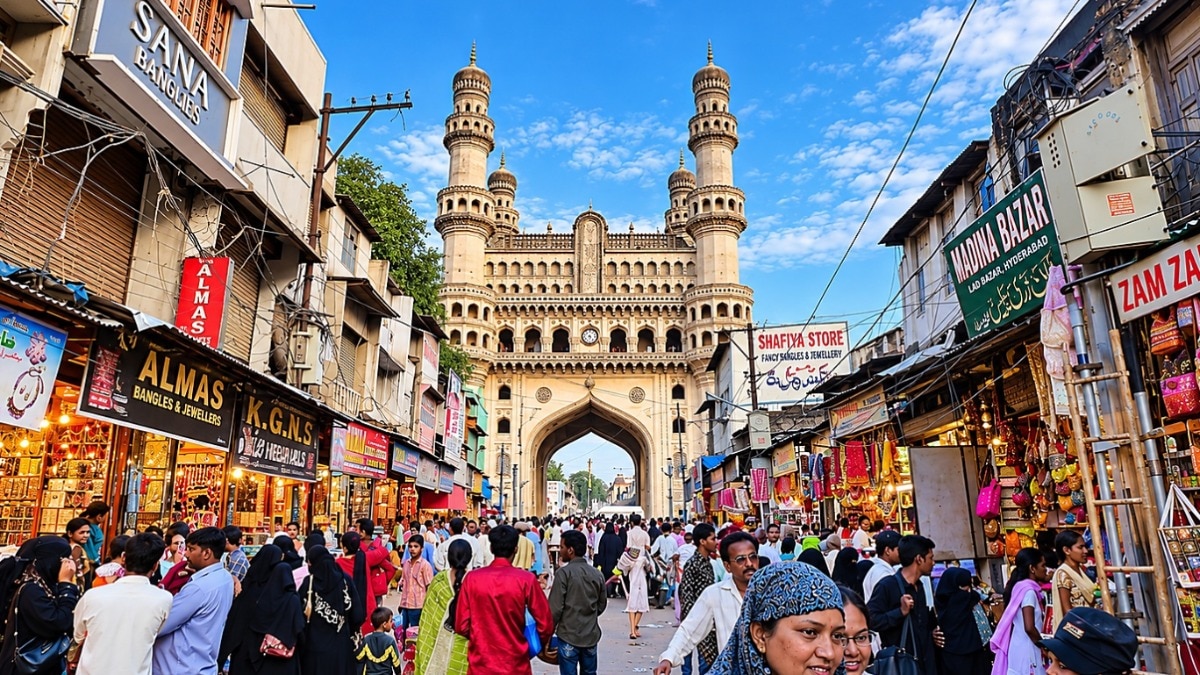
Hyderabad Police Step Up Security After LeT Email Threatens 26/11-Style Attack; Official Calls It Hoax
Hyderabad police stepped up security across the city on Sunday after an email titled “Lashkar-e-Taiba” threatened bomb blasts...

Nearly 1M Gastric Cancer Cases in 2024: 76% Linked to Treatable H. pylori, IARC Data Shows
New global estimates show nearly one million people developed gastric cancer in 2024 and about 650,000 died, with...

Milkita Factory Fire: 24 Body Bags Recovered, 37 Missing, Search Resumes Monday
Fire broke out Saturday at 5 p.m. local time at the Milkita factory in Serang district, Banten province....