
A sweeping 2025 meta-analysis spanning 145 studies and 28 countries reveals that certain habits reliably increase overall wellbeing. Researchers confirm that consistent acts of kindness, brief physical movement, and gratitude practices significantly boost happiness without requiring money, expensive equipment, or complex lifestyle overhauls.
The pursuit of happiness has inadvertently spawned a massive commercial industry filled with rigid morning routines, optimization stacks, and expensive retreats. Yet, decades of accumulated scientific research point toward a much simpler reality. Wellbeing does not hide behind costly self-improvement regimens; it is forged through modest, consistent behavioral choices.
While everyday life often feels task-oriented and frantic—juggling dry cleaning, work demands, and household chores—researchers have isolated specific actions that consistently lift human spirits across diverse cultures and regions.
The Proven Power of Daily Kindness and Gratitude
Acts of kindness stand out as one of the most reliable drivers of personal happiness. A 2018 study involving 683 participants across 29 countries examined individuals who performed acts of kindness daily for seven days. The findings demonstrated that kindness successfully increased happiness across the board, regardless of whether the gesture targeted a close friend, a complete stranger, or even oneself.
Intriguingly, the research showed that the sheer number of kind acts correlated positively with happiness levels, suggesting that more engagement yields greater returns. These gestures require no elaborate setup or financial investment. Sending an affectionate text message, letting a driver merge in traffic, or leaving an online review for a small business all produce measurable positive effects.
Complementing daily kindness, a 2024 study drawing on data from nearly 50,000 women linked gratitude practices to a lower mortality risk. Separate scientific investigations consistently connect regular gratitude exercises—such as writing down three things you appreciate each day or expressing direct appreciation to a loved one—to reduced anxiety, better sleep quality, and stronger social bonds.
Moving the Body and Syncing Schedules With a Partner
Physical activity plays an equally fundamental role in psychological wellbeing. A 2018 systematic review published in the Journal of Happiness Studies, which drew on more than 1,100 records and included older adults and cancer survivors, established that movement consistently correlates with happiness across global regions. The threshold for experiencing these benefits is remarkably low: as little as 10 minutes of movement per week produced measurable increases in happiness.
Whether through aerobic exercise or stretching, physical activity stimulates endorphins, enhances sleep, and delivers a profound sense of personal accomplishment. Simple activities like taking a walk or dancing in the kitchen satisfy the human body’s evolutionary need for motion.
Additional research into domestic routines notes that partners who align their habits—such as going to bed at the same time rather than keeping mismatched schedules—frequently report less conflict, deeper conversations, and greater relational satisfaction.
Nurturing Connection Through Small Shared Rituals
Beyond physical health, maintaining a happy partnership depends on how couples handle daily interactions and recover from minor conflicts. Happy couples routinely respond positively to everyday bids
for connection, whether acknowledging a casual news story, a funny workplace anecdote, or a passing observation about the environment.
Couples who invest in shared fun, establish unique household rituals, and regularly offer sincere appreciation build a resilient shared culture. As relationship experts point out, consistency remains the primary challenge, as none of these evidence-backed habits demand financial resources or personality overhauls—only the intentional daily discipline to maintain them.
Related reading
WHO Recommends Influenza Vaccine Composition for 2027 Southern Hemisphere
The World Health Organization announced its influenza vaccine composition recommendations for the 2027 southern hemisphere season following an...

LEAD Consortium Launches First Nationwide Study on Paradoxical Lucidity
An international consortium called LEAD is launching a nationwide study dedicated to investigating paradoxical lucidity in dementia patients,...
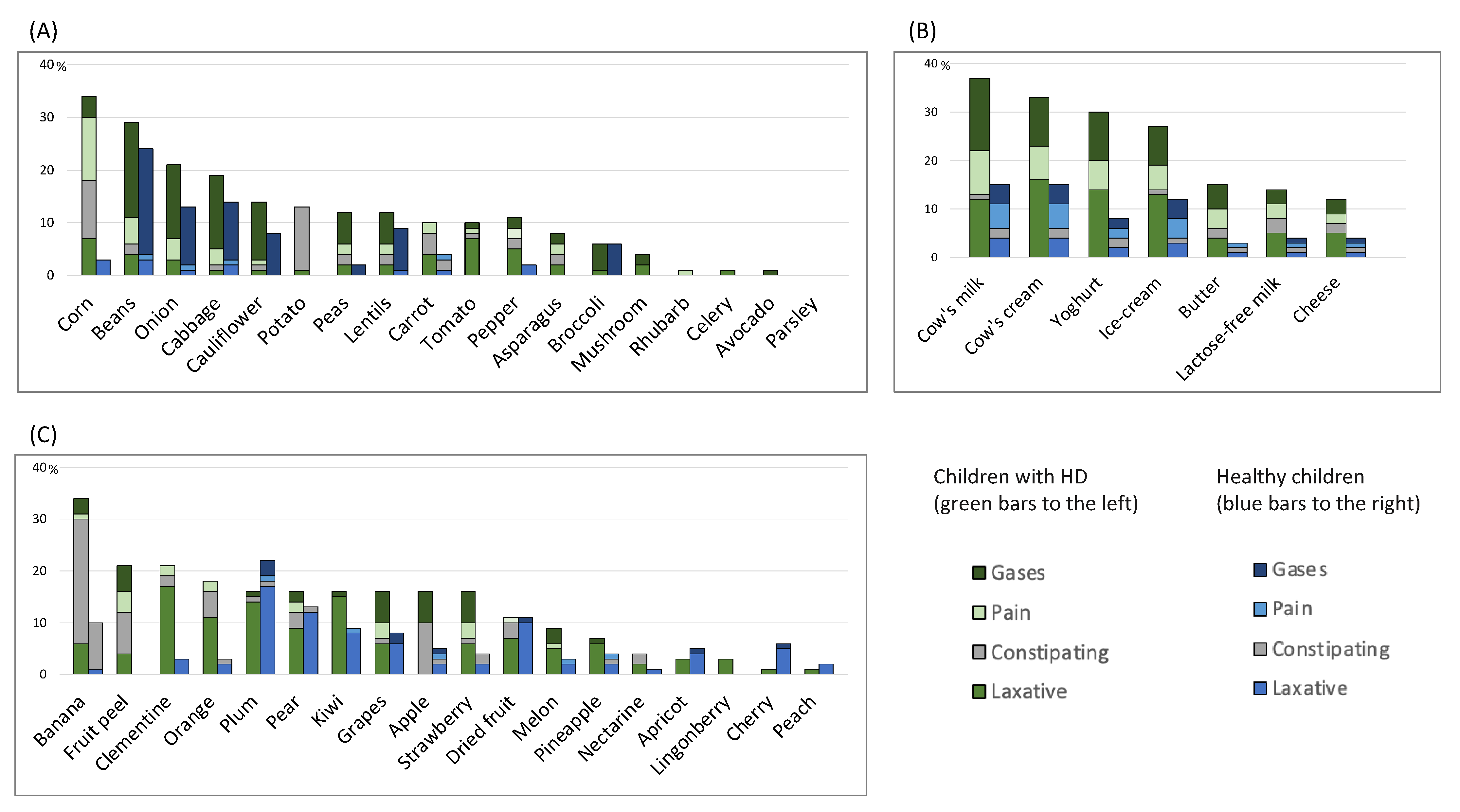
CHOP Researchers Find Dietary Changes Triple Survival in Hirschsprung Model
Researchers at the Children's Hospital of Philadelphia and international partners discovered that altering standard diets in a preclinical...
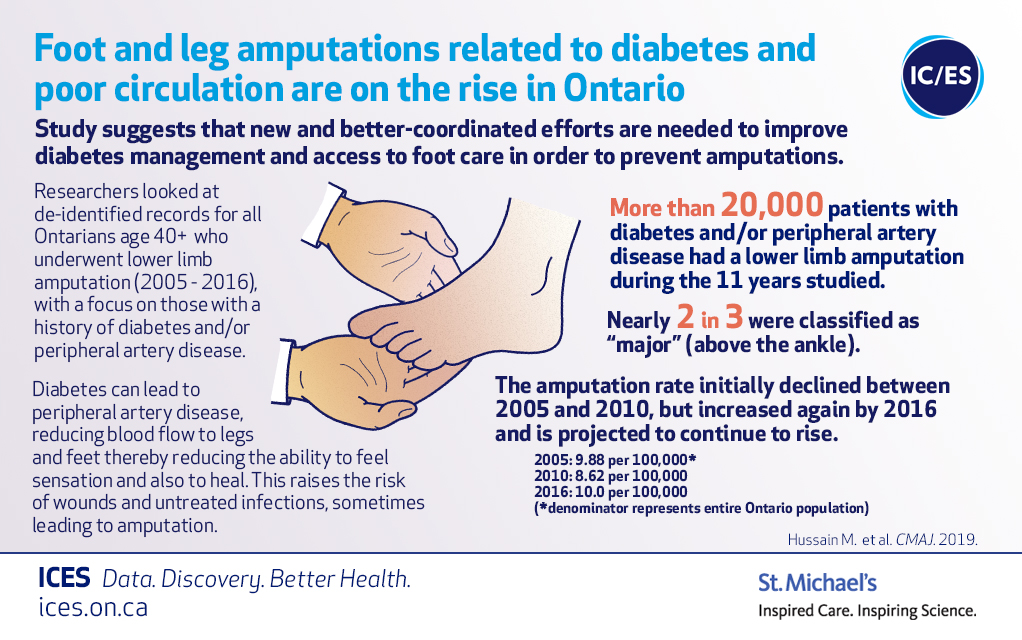
Diabetic Amputation Mortality Rates Remain High in England Study
Patients with diabetes in England undergoing below-knee amputation face enduring mortality rates of 23.5% at one year and...