
Danae Baxter is working to expand the visibility and support systems for Jews of color within the Baltimore religious landscape. A resident of Lansdowne, Baxter has moved from a position of navigating dual religious identities to actively building coalitions that make space for diverse Jewish experiences, according to a report by the Baltimore Jewish Times.
For Baxter, the journey toward a settled Jewish identity was not a straight line. Growing up with a Jewish mother and a Southern Baptist father, she spent her formative years moving between two distinct spiritual worlds. She recalls attending church on Sundays while also celebrating Jewish holidays at home, a duality that left her feeling deeply enmeshed in both traditions but often isolated from a broader community of peers.
While she felt a persistent pull toward Judaism, the lack of explanation for the customs she observed created a sense of curiosity rather than immediate belonging. It wasn’t until she moved to Maryland to attend Johns Hopkins University that these curiosities began to take a more concrete shape.
The transition from curiosity to connection at Johns Hopkins
Entering the Jewish community at a large university presented its own set of social hurdles. Baxter noted that being a person of color at Hopkins was inherently challenging, and even as she leaned into her Jewish identity, she encountered an “understanding gap” during her early interactions at Hillel. The existing social structures felt established and insular, leaving her feeling as though she was standing on the periphery.
A structured mentorship system at the university eventually provided the bridge she needed. By being paired with another Jewish student, Baxter gained access to resources that helped demystify the religious landscape. This connection led her to a rabbi with whom she met biweekly, providing a safe space to ask questions and articulate her own interpretations of the faith.
This period of study helped transform her initial curiosity into a firm, self-assured identity. She credits the tradition of questioning—exemplified by the four questions of Passover—as a core reason for her affinity for the religion. For Baxter, the ability to interpret tradition through a personal lens is a defining characteristic of the faith.
Creating space through coalition and Tikkun Olam
Today, Baxter’s focus has shifted from personal discovery to communal advocacy. She has become involved with programs specifically designed to support Jews of color, including recent work with Third Space at Shaarei Tfiloh. Her current mission is centered on “coalition building” and ensuring that the presence of Jews of color is recognized and supported within established institutions.

Her approach is heavily influenced by the concept of tikkun olam, or repairing the world, a principle she attempts to embed into her daily life and community work. She is currently in the process of finding a permanent synagogue home, but her long-term goals extend beyond mere membership.
“Ideally, it’s not a shock factor for [someone] to see a Black Jewish woman. I also feel very strongly about Jewish spaces that allow for nuance and conversation and understanding.”
Baxter advocates for a version of Jewish communal life that accommodates healthy, productive disagreement. She believes that the goal of community conversation should not necessarily be total consensus, but rather a space where different perspectives can coexist without friction.
As she continues to seek out a spiritual home, Baxter remains focused on amplifying the rich, often overlooked stories of Jews of color. Her work is less about changing the tenets of the faith and more about ensuring the community is wide enough to hold the full spectrum of its members.
“I really admire that,” Baxter said, reflecting on the tradition of asking, “what are we learning from this, and how are you going to interpret this?”
Related reading

Southern Maine businesses embrace Nordic cuisine and lifestyle
Portland and Saco businesses embrace Nordic cuisine and lifestyle A growing number of restaurants and specialty shops across...

Trump and Beshear Clash Over Kentucky’s Key Congressional Race
Kentucky’s 6th District race serves as an early bellwether for the national election "Hello Kentucky, special place. I...

Children’s Mercy cuts 115 jobs and moves 473 staff to outside partner
Children's Mercy eliminates 115 jobs and transitions hundreds more to outside partner Children's Mercy is cutting 115 positions...
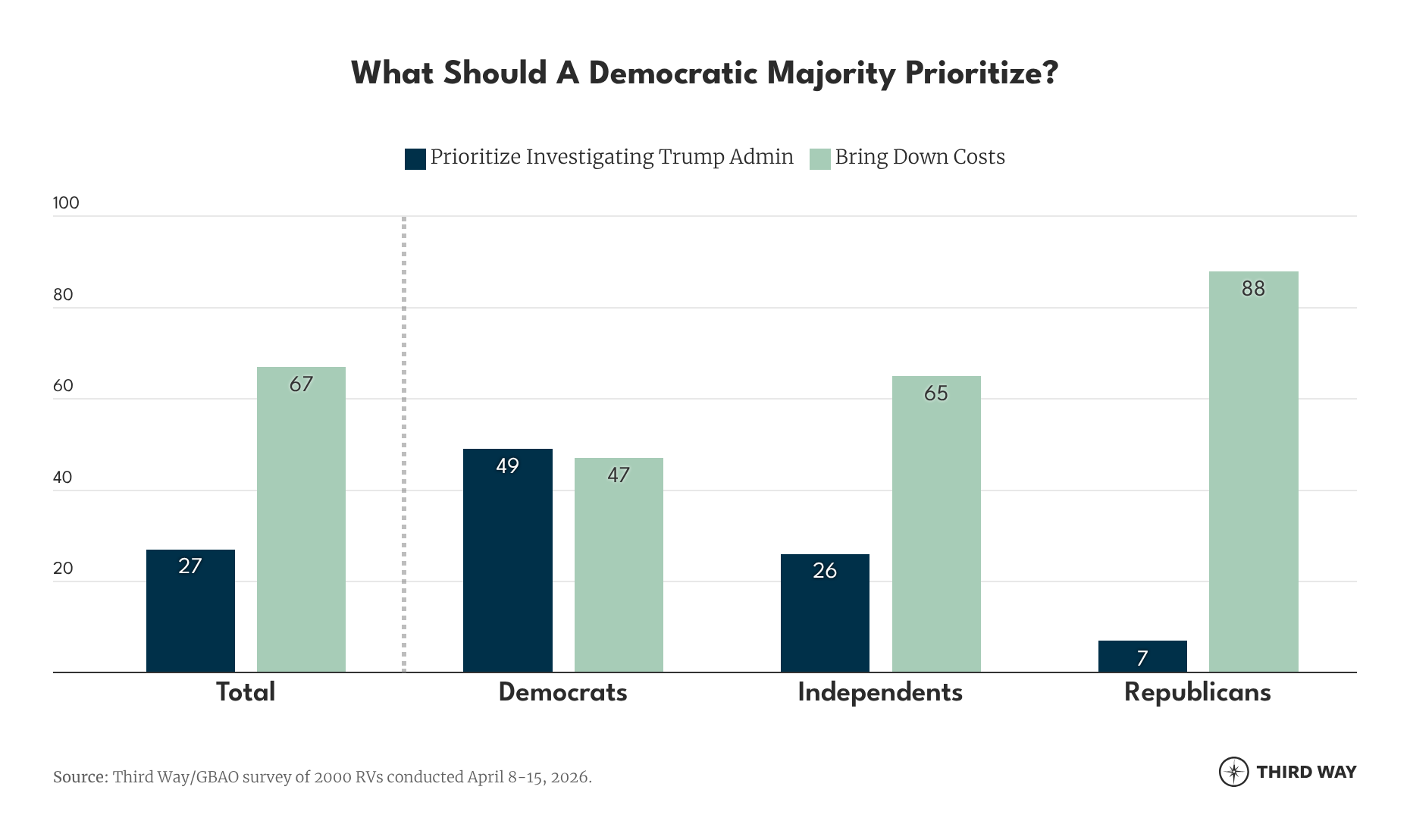
Democratic Priorities if They Retake the House of Representatives
If Democrats retake control of the House of Representatives, party leaders intend to prioritize a legislative agenda focused...