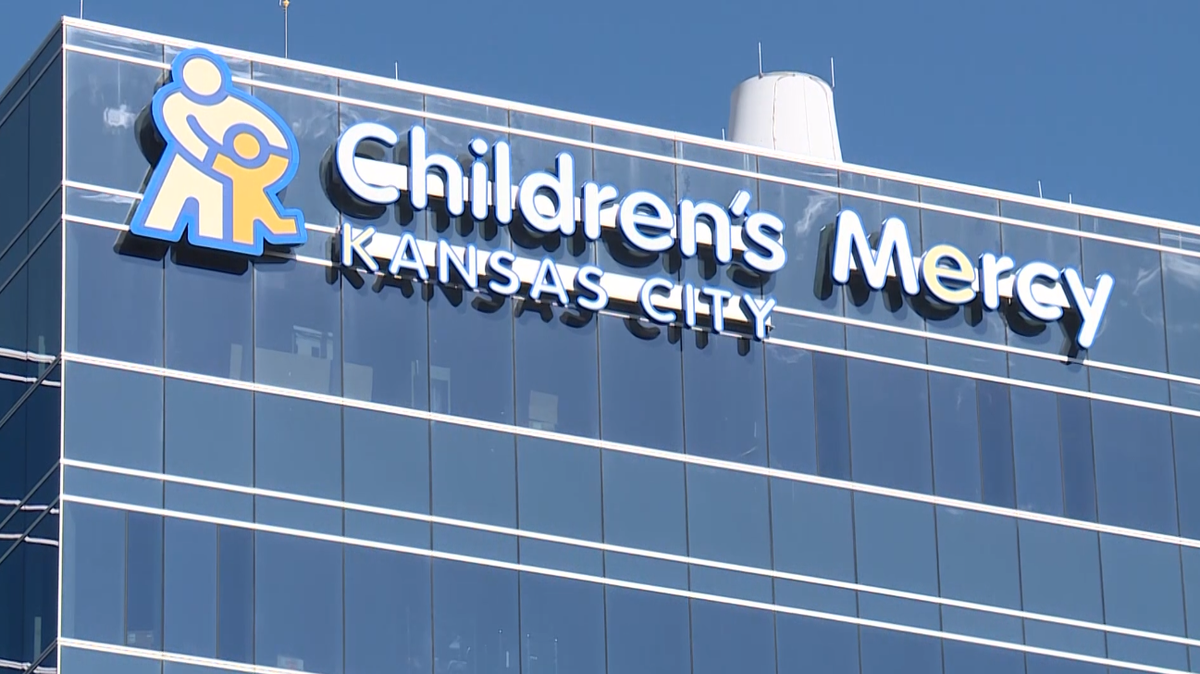
Children’s Mercy eliminates 115 jobs and transitions hundreds more to outside partner
Children’s Mercy is cutting 115 positions and moving nearly 500 employees to an external organization, according to a report from KMBC. The layoffs represent approximately 1.2% of the hospital’s total workforce. Most of the eliminated roles were nonclinical, including administrative, leadership, and support positions.
Children's Mercy laid off 115 employees and transferred 473 to Ensemble Health Partners, where they will continue to do work for Children's Mercy. https://t.co/2gv4LoIh2p
The reorganization also involves a significant shift in how the hospital manages its revenue cycle. A total of 473 team members responsible for scheduling and revenue cycle tasks will transition to Ensemble, a partner company specializing in revenue cycle management.
Hospital leaders addressed the changes in a statement on Monday, framing the decision as a necessary step to maintain their status as an independent institution. They noted that the hospital is one of only 28 independent, freestanding children’s hospitals remaining in the United States.
“Children’s Mercy is committed to providing exceptional care for patients, families and our community and to expanding access to pediatric care close to home,” hospital leaders said in the statement. “Like children’s hospitals nationwide, we face rising costs and reimbursement that has not kept pace. We continue to evolve our organizational structure to ensure we can remain one of only 28 independent, freestanding children’s hospitals in the country, focused on kids.”
Rising costs and insurance shifts impact pediatric care access
The restructuring arrives at a period of heightened concern for families regarding healthcare accessibility. Less than two weeks ago, major changes to insurance were announced that directly affect how families access specialized pediatric services. Specifically, Children’s Mercy will no longer be included in Affordable Care Act marketplace plans.
For families with children requiring specialized medical attention, this shift means insurance options may become more limited. The hospital’s decision to move administrative and revenue functions to an outside firm like Ensemble mirrors a broader trend in the healthcare industry, where organizations attempt to manage rising operational costs by outsourcing non-clinical workflows.
The intersection of rising hospital costs and shifting insurance coverage creates a complex environment for both providers and patients. While the hospital intends for these structural evolutions to protect its ability to focus on pediatric care, the immediate impact on insurance availability for marketplace subscribers presents a new challenge for local families navigating medical expenses.

Chris Pappas wins New Hampshire Senate seat to be first out gay man
Chris Pappas secures New Hampshire Senate seat Democratic Representative Chris Pappas has defeated former Senator John Sununu to...

Helena Food Share serves 30% more households as living costs rise
Helena Food Share is seeing a significant surge in demand from Lewis and Clark County residents as inflation...

State Officials React to Unprecedented DOJ Election Monitoring
Federal monitors deploy to Kansas City metro counties on Election Day The U.S. Department of Justice has deployed...

Minnesota Voters Leave I Voted Stickers at Memorials for Alex Pretti and Renee Nicole Good
Voters leave "I Voted" stickers at Minneapolis memorials for Alex Pretti and Renee Good In a silent, symbolic...