
Federal agents dismantled the first known large-scale U.S. laboratory manufacturing nitazenes — synthetic opioids that can match or exceed fentanyl’s potency — during a November 12 raid on a Baton Rouge home, the DEA confirmed this week.
Newsweek reported that East Baton Rouge Sheriff’s deputies uncovered the operation while investigating 34-year-old Torrey Lewis Jr. on drug-trafficking charges. What investigators initially suspected was a fentanyl lab turned out to be something the DEA calls a growing synthetic threat: a sophisticated facility producing etonitazene, among the most potent compounds in the nitazene family.
What did agents find inside the Baton Rouge lab?
Deputies executed three search warrants on November 12 at a residence on Cottage Hill Drive. The DEA described the setup as a sophisticated clandestine laboratory housing roughly $250,000 in professional-grade equipment. The centerpiece was a 100-liter reactor system, supported by specialized temperature-control units and an industrial evaporator.
The main reactor held about 15.3 gallons of liquid. DEA forensic chemists from the South Central Laboratory in Dallas confirmed the presence of etonitazene in that liquid on Wednesday.
Who was arrested and what charges do they face?
Torrey Lewis Jr., 34, of Baton Rouge was taken into custody. It was not immediately clear if Lewis had an attorney who could comment on his behalf.
Why are nitazenes considered a growing synthetic threat?
The DEA says they can match or vastly exceed fentanyl’s potency depending on the specific compound. Etonitazene, the substance detected in Baton Rouge, is among the particularly potent members of this family.
Since 2020, the DEA has identified 22 unique nitazene compounds, 21 of which are classified as Schedule I controlled substances.
Louisiana has emerged as a particular hotspot.
How does naloxone work against nitazene overdoses?
The opioid-reversal medication naloxone can treat a suspected nitazene overdose, but the DEA has warned that multiple doses may be required because of the compounds’ extreme potency. Their presence in counterfeit pills or mixed into fentanyl powder without a user’s knowledge complicates overdose response, as responders may not immediately recognize the need for repeated naloxone administration.
What comes next in the investigation?
The DEA, the East Baton Rouge Sheriff’s Office, and the U.S. Attorney’s Office for the Middle District of Louisiana continue to investigate. Newsweek reached out to all three agencies by email Saturday for more information.

Cal U Falls to Charleston in Men’s Basketball
California University of Pennsylvania's men's basketball team fell to Charleston (WV) as the Vulcans struggled to contain the...
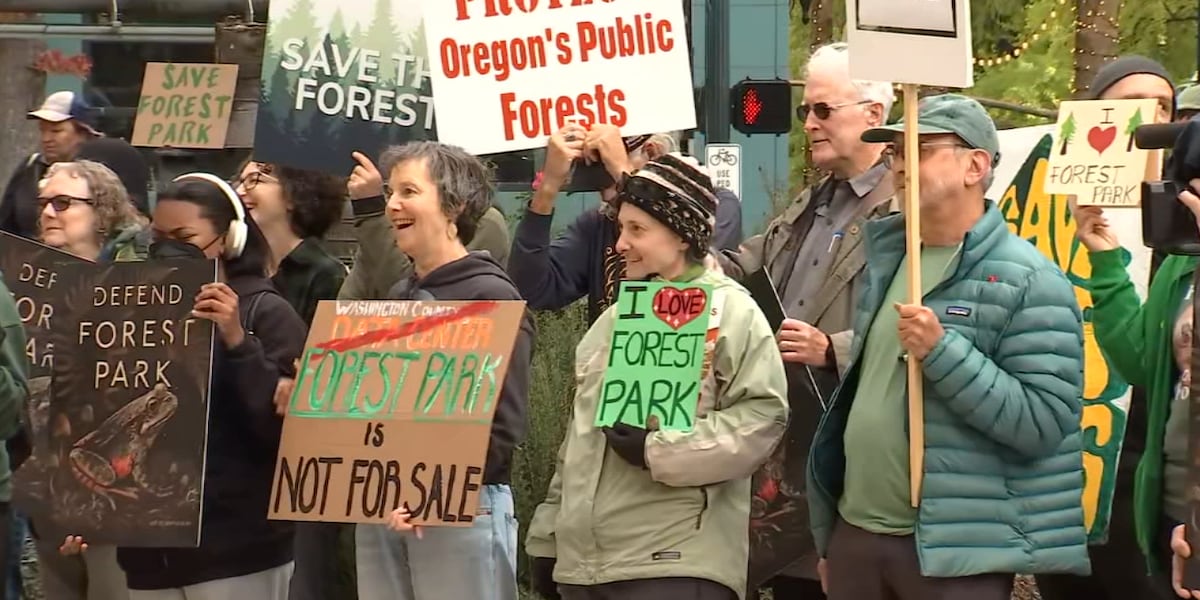
Portland Hearings Officer Marisha Childs Approved PGE’s Revised Forest Park Plan
A Portland hearings officer has approved Portland General Electric’s revised plan to cut more than 370 trees in...

Oregon State Beavers Head to Palm Springs for Acrisure Series
Oregon State heads to the desert this week carrying a 6-0 record the program hasn't seen since the...

Team Discovers Pulsar PSR J1622−7204 Using Lattice Method on Fermi Data
An international team discovered pulsar PSR J1622−7204 in 15 years of NASA Fermi-LAT data on Thursday.