Democratic attorneys general flipped offices in five formerly Republican-led states.
- Democrats won attorney general races in Georgia, Iowa, Kansas, Ohio, and Texas.
- Alaska’s incoming Democratic governor also picked a Democratic attorney general.
- This shift means about 70% of Americans will live in a state with a Democratic attorney general.
The change gives Democrats the power to bring more legal cases reflecting their positions on the economy, environment, abortion, civil rights, and crime, NPR reported.
A Shift in Power
State attorneys general have broad discretion to decide which legal challenges to pursue on behalf of their residents. With these victories, Democrats will soon control a majority of these top law enforcement positions.
“Voters picked AGs who will stand up and fight for them, whether that’s taking on rising costs, pushing back against a lawless administration, or holding bad actors accountable,” said Sean Rankin, president of the Democratic Attorneys General Association, in a statement to NPR.
Republican Reassessment
The midterm defeats have left the conservative legal movement reeling, NPR reported. “There’s no sugarcoating it, this was the worst election for Republicans since 1974,” said Adam Piper, executive director of the Republican Attorneys General Association.
Piper argued that Republican attorneys general policies are still supported by voters but were overshadowed by the unpopularity of the GOP ticket. He said that Republican AG candidates sometimes ran ahead of other GOP candidates in their states.
The Republican Attorneys General Association met in Dallas, Texas, in the aftermath of the election to strategize for 2028. Piper said the group is watching for potential “lawfare” by Democrats, including efforts to change the number of Supreme Court justices or add new states to the Union.
New Priorities and Strategies
Democratic attorneys general held a conference in Chicago, which was both a celebration and an orientation for incoming officials, NPR reported.
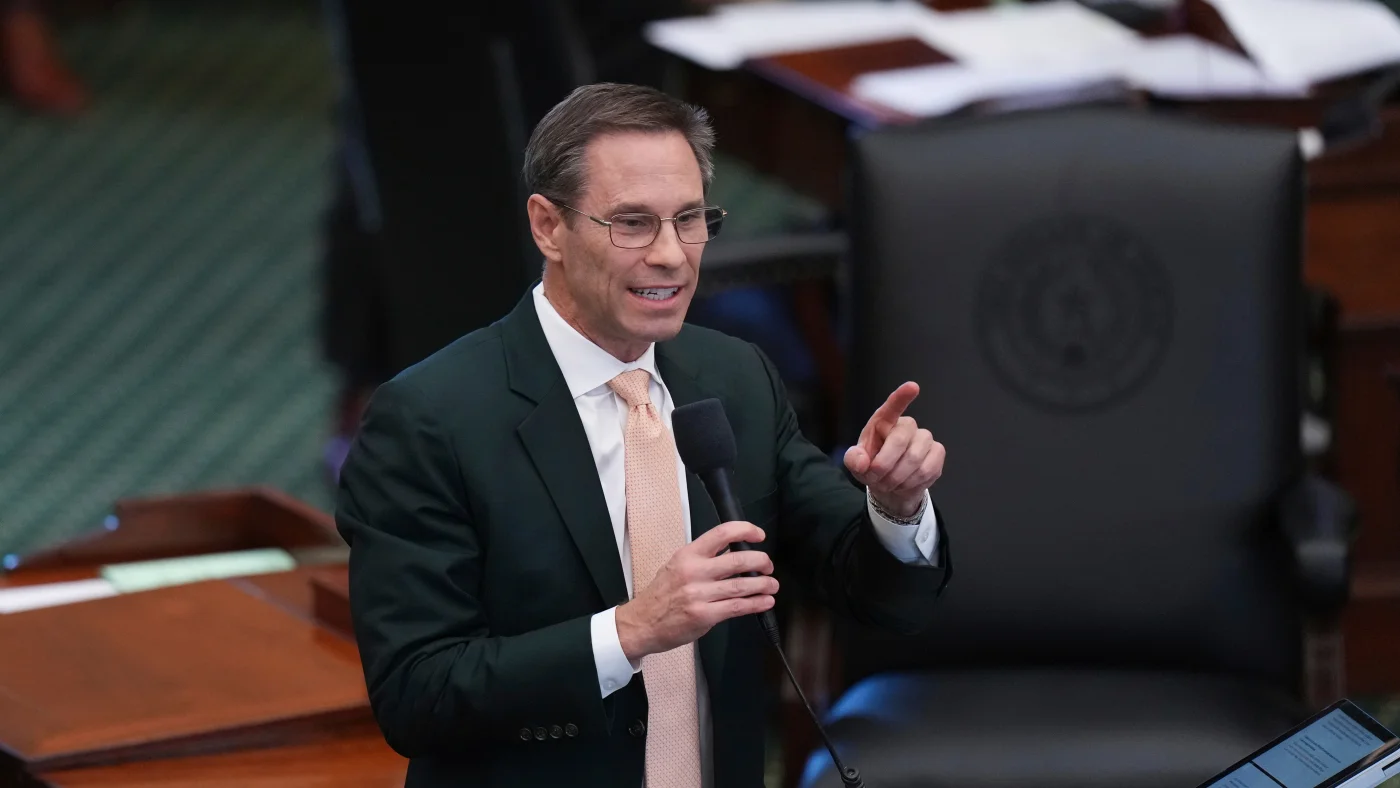
The incoming Texas attorney general, Nathan Johnson, said that Democratic wins in the state legislature and governor’s mansion could prompt Republicans to cooperate on a “cleansing” anti-corruption agenda. However, he also signaled he would support legal challenges to President Donald Trump’s efforts to build a wall in Big Bend National Park.

The Texas AG office has been a major intellectual force for the Republican legal movement, training talent like Sen. John Cornyn and Gov. Greg Abbott, according to James Tierney, a Harvard Law School professor who has advised attorneys general from both parties. Tierney said the office's size and influence will hurt Republicans.
The new Democratic attorneys general are expected to take an oppositional stance toward the Trump administration, potentially filing lawsuits in coalition with other states, said Anthony Michael Kreis, a constitutional law professor at Georgia State University. Many incoming Democrats campaigned on cases against price gouging, digital surveillance, and antitrust concerns, NPR reported.
Experts Predict Bipartisan Shifts
Swain Wood, a partner at WilmerHale who co-chairs the firm’s state attorneys general practice, said the shift is “likely to increase bipartisan coalitions.”
Republicans Call for Internal Reforms
“There’s no sugarcoating it, this was the worst election for Republicans since 1974,” Piper said. He argued that Republican AG policies remain popular but were overshadowed by the unpopularity of other GOP candidates.
“We have to have better quality of candidates at the top of the ticket,” he said. He also stressed the importance of “better message discipline” and called on other committees in Washington to focus on being “good stewards of resources,” highlighting a desire to refocus the party’s approach.
Path Forward
Attorneys general from both parties have found common ground in the past on issues like regulating social media platforms and settling major cases against tobacco and opioid distributors.
The new Democratic attorneys general in states that have recently become political battlegrounds may face pressure to pursue popular or bipartisan legal actions to maintain voter support, as they are likely to face tough reelection challenges.
More on Democrats
Four Dead, One Missing Since Spring at California’s Panther State Beach
Michael Horn, public information officer for CalFire, said people see the beauty and want to enjoy the beauty,...
Lincoln National Forest Plans Prescribed Burns Starting Dec. 2
Lincoln National Forest plans prescribed burns on the Sacramento Ranger District beginning as early as Tuesday, Dec. 2,...

Michigan State Favored Over Rutgers in Big Ten Matchup
“Michigan State and Rutgers meet Saturday at SHI Stadium with identical 3-8 records and the Spartans favored for...

5 Takeaways From Michigan’s Bounce-Back Win Over Kansas State | Maize N Brew
Michigan defeated Kansas State, 98-69, on Nov. 27. Six Wolverines scored in double figures. Michigan plays Mississippi Valley...